
The Shareholder Meeting of Music: Decoding the 2027 Grammy Nomination Strategy

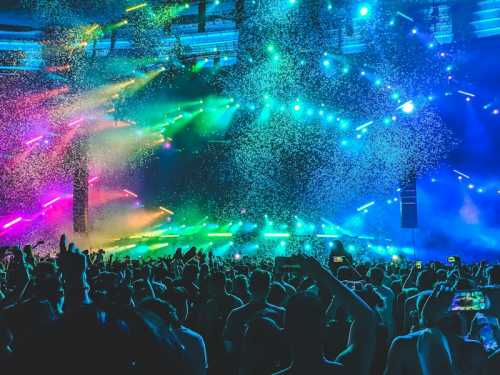
Award shows are no longer the Oscars of music; they are the annual shareholder meeting of a legacy corporation trying to prove it still understands the youth market. The Recording Academy announced the 69th Annual Grammy Award nominations on November 16, 2026, with Taylor Swift’s The Life of a Showgirl and Olivia Dean’s The Art of Loving leading the major categories, signaling a masterclass in corporate hedging.
The Unseen Implications of Algorithmic Validation
The nominations heavily favor artists with sustained algorithmic dominance over critical darlings, signaling the Academy’s quiet surrender to streaming platform data as the primary validator of cultural relevance. Furthermore, the inclusion of five new categories is not an expansion of artistic recognition, but a desperate attempt to capture Gen Z viewership demographics that have migrated entirely to short-form video platforms.
Purists argue the Grammys still elevate genuine artistry, pointing to niche category winners. However, the viewership data tells a different story: the major categories are explicitly engineered for maximum mainstream friction and subsequent social media engagement, not artistic merit. The traditional album cycle is functionally dead for global mega-stars, replaced by continuous single-release strategies that the Grammys are struggling to categorize.
Historical Precedent: The 2014 Credibility Deficit
This trajectory finds its origin in the 2014 Best Rap Album win for Macklemore & Ryan Lewis over Kendrick Lamar. That moment marked the beginning of the Academy’s credibility deficit, a downward slope that has now culminated in a nomination process openly dictated by Billboard chart mechanics rather than peer review.
Actionable Takeaways for the Music Industry
Independent record labels must stop allocating PR budgets toward Grammy lobbying and redirect those funds toward TikTok and YouTube Shorts influencer campaigns. Local music venues should pivot to hosting "anti-Grammy" listening parties to capture the disillusioned younger demographic that views the telecast as an irrelevant corporate exercise.
Future Forecast
Within six months, the February telecast will post its lowest traditional linear viewership in a decade. This will prompt the Recording Academy to announce a radical, TikTok-centric format overhaul for the 2028 ceremony, effectively ending the traditional, long-form awards show era.



Comments (0)
No comments yet. Be the first to share your thoughts!
Want to join the discussion?
Please log in to post a comment.
Login NoworCreate an Account