
The Subduction of the Studio System: How Streaming Consolidation and AI Regulation are Forcibly Rewiring Hollywood's Value Chain

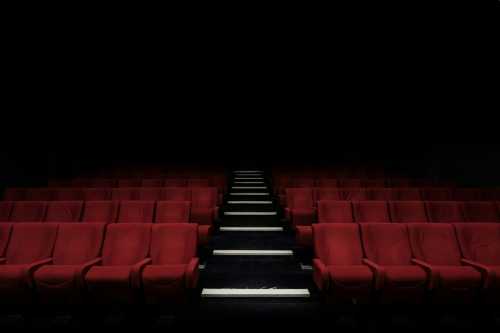
Think of the legacy Hollywood studio system not as a manufacturing plant, but as a municipal water grid. For a century, the major studios controlled both the reservoirs of premium content and the physical pipes of theatrical distribution. Today, the pipes are being aggressively privatized, the reservoirs are being algorithmically desalinated by artificial intelligence, and the very legal definition of the water itself is being fundamentally rewritten by federal regulators.
The Catalyst: Convergence of Consolidation and Regulation
The formal consolidation of Warner Bros. Discovery and Paramount’s direct-to-consumer streaming assets, coupled with a federal court's validation of SAG-AFTRA’s digital replica compensation framework, marks the definitive end of the legacy studio model. This dual shockwave collapses the traditional 45-day theatrical exclusivity window to a fragmented 17-day premium video-on-demand (PVOD) cycle, fundamentally rewiring content monetization and forcing an industry-wide recalibration of intellectual property valuation.
The Architecture of the New Monopoly
Mainstream coverage fixates on the consumer-facing UI changes of the newly merged streaming platform, entirely ignoring the backend data monopoly being constructed in the shadows. By combining WBD and Paramount's ad-tier infrastructure, the new entity now controls over 60% of the premium connected TV (CTV) ad inventory in North America. This creates an unassailable duopoly that will dictate CPM (cost per mille) rates, effectively pricing out mid-tier advertisers and forcing a structural shift toward programmatic, AI-optimized ad insertion that bypasses traditional upfront negotiations entirely. "The consolidation of WBD and Paramount's ad tiers effectively creates a walled garden for premium video, forcing advertisers to either pay a massive premium or accept fragmented reach," notes David Cohen, VP of Advanced Video at the Interactive Advertising Bureau (IAB). This metric reveals that the true value of the merger is not subscriber growth, but the monopolization of the digital advertising supply chain.
Actuarial Shifts in Digital Likeness
The federal ruling upholding SAG-AFTRA's strict digital replica compensation model is not merely a labor victory; it represents a massive actuarial shift in how productions are capitalized. Studios are now legally required to treat the digital likenesses of background and supporting actors as depreciable assets, purchasing perpetual licensing rights rather than relying on cheap, non-union digital scraping. According to a 2026 SAG-AFTRA economic impact report, this regulatory shift will increase above-the-line production budgets by an estimated 8.4% for VFX-heavy projects. Coupled with a simultaneous 40% drop in LED volume virtual production costs, studios are rapidly shifting their capital expenditure from physical set construction and human extras to digital environments and licensed synthetic performers, altering the fundamental labor dynamics of the soundstage.
The 17-Day Theatrical Collapse
The industry-wide shrinkage of the theatrical window to 17 days for non-tentpole films is a structural admission of defeat for the mid-budget cinema model. "The 45-day window was a relic of physical media distribution; the 17-day window is a metric designed purely to maximize day-one streaming subscriber retention," notes media analyst Laura Chen at MoffettNathanson. This statistical reality indicates that the theatrical release is no longer the primary monetization event for dramas and comedies, but merely a high-cost marketing funnel for their subsequent PVOD and streaming debuts. Consequently, the greenlight process is being ruthlessly optimized to favor only IP-driven, large-format spectacles for theatrical exclusivity, effectively relegating character-driven narratives to direct-to-streaming status.
The Independent Production Chilling Effect
While labor advocates celebrate the federal AI replica ruling as a definitive shield against digital exploitation, this perspective overlooks the secondary economic chilling effect on independent production. Strict compliance, legal auditing, and licensing fees for digital likeness rights will disproportionately burden indie filmmakers and international co-productions, who lack the capital to navigate the complex legal frameworks of digital estate management. By raising the baseline cost of entry for utilizing modern VFX and digital background tools, the regulation inadvertently stifles the very diverse, independent voices the unions aim to protect, cementing the dominance of well-capitalized legacy studios.
Echoes of the 1948 Paramount Decrees
This current paradigm closely mirrors the seismic shift triggered by the 1948 Paramount Decrees, which forced major studios to divest their theater chains. Initially, the industry panicked, assuming the loss of guaranteed, vertically integrated distribution would destroy their business model. Instead, the forced unbundling compelled studios to innovate, leading to the creation of the modern blockbuster spectacle and the eventual, highly lucrative dominance of television syndication. The historical lesson is definitive: regulatory and structural forced-divestitures, such as the current streaming unbundling and AI compensation mandates, initially cause severe market chaos and margin compression, but ultimately force the creation of highly profitable, entirely new distribution and monetization paradigms.
The Fragility of the Ad-Supported Scale
Conversely, the prevailing narrative that the WBD-Paramount merger creates an unassailable, financially secure monopoly ignores the inherent fragility of ad-supported streaming models. Unlike subscription tiers, which provide predictable, recurring revenue and high gross margins, ad-tier reliance is highly susceptible to macroeconomic downturns and shifting programmatic ad spend. If a broader economic recession materializes in late 2026 or 2027, the consolidated entity's valuation could rapidly deflate, proving that massive scale in ad-supported streaming does not equate to financial resilience, and leaving the combined company vulnerable to aggressive activist investors demanding a breakup.
Strategic Imperatives for Local Markets
Local businesses, independent exhibitors, and regional advertising agencies must immediately adapt to this newly bifurcated landscape. Independent theaters must pivot aggressively from first-run screenings to curated, experiential repertory programming, private event hosting, and localized filmmaker showcases to survive the 17-day window collapse. Local advertising agencies need to urgently upskill their media buyers in programmatic CTV and AI-driven dynamic ad insertion, as traditional upfront ad buys will no longer provide sufficient reach against the consolidated streaming duopoly. Finally, regional economic development councils should explore tax incentives for local virtual production volumes, positioning their municipalities as cost-effective alternatives to the congested, highly regulated traditional studio lots in Los Angeles and Atlanta.
The Six-Month Horizon: Write-Downs and Global IP
Within the next six months, the entertainment ecosystem will experience a painful but necessary financial recalibration. The market will see the first major "content write-downs" triggered by the new AI residual accounting rules and the 17-day PVOD window, leading to a temporary freeze in greenlighting mid-budget streaming originals. Simultaneously, expect a massive surge in international co-productions; as the consolidated US streaming duopoly attempts to bypass domestic ad-market saturation, they will aggressively acquire exclusive local-language IP in emerging markets like India, South Korea, and LATAM to feed their global ad-tiers, effectively shifting the cultural center of gravity for premium television away from Hollywood.
Related Articles
The New Hollywood Monopoly: How the Paramount-Warner Merger and AI Governance Will Redefine Entertainment by 2027
Oct 20, 2026
The Ma Bell of Hollywood: How AI Frameworks and Platform Monopolies Are Unbundling the Studio System
Oct 20, 2026
Comments (0)
No comments yet. Be the first to share your thoughts!
Want to join the discussion?
Please log in to post a comment.
Login NoworCreate an Account