
The Subprime Sneaker Crisis: How Biometric Gatekeeping and the Resale Collapse Are Restructuring Streetwear


Just as the 2008 subprime mortgage crisis exposed the fatal flaw of packaging toxic, unvetted assets into seemingly liquid collateralized debt obligations, the 2026 streetwear market is experiencing a violent correction of its own derivative financialization. The secondary sneaker resale market has contracted by 35% year-over-year, coinciding with the European Union’s enforcement of the Digital Authenticity Mandate requiring biometric verification for limited-run apparel, effectively terminating the anonymous, bot-driven "hype" economy.
The Death of Hype Arbitrage and the B2B Pivot
The most profound unseen implication of this market correction is the total collapse of the retail arbitrage model that sustained secondary platforms for a decade. According to a Q3 2026 primary market report by the NPD Group, the secondary sneaker resale market has contracted by 35% year-over-year, stripping platforms of their core transaction volume. "The artificial scarcity model has reached its mathematical limit," notes Matt Powell, senior sports industry analyst at NPD Group. To survive, legacy resale platforms are aggressively pivoting from business-to-consumer (B2C) hype drops to business-to-business (B2B) liquidation, acting as wholesale clearinghouses for overstocked legacy brands rather than premium marketplaces for scarce goods. The margin was always in the arbitrage; without it, the infrastructure is fundamentally broken.
The Exclusionary Caste System of Biometric Drops
Mainstream fashion coverage frequently frames the implementation of biometric verification for limited drops as a necessary evolution to protect brand equity and ensure fair access for genuine consumers. This argument is overly one-sided and ignores the severe cultural alienation it triggers. By requiring facial or vein scanning to purchase limited-run streetwear, brands are inadvertently erecting an exclusionary caste system that penalizes the very youth demographics that built their cultural cachet. The core ethos of streetwear was rooted in accessibility and subcultural rebellion; replacing the "first-come, first-served" digital queue with a biometric whitelist transforms the purchase from a cultural participation into a gated, corporate loyalty program, stripping the subculture of its organic friction.
The Privacy Premium and the Verified Loyalist
Simultaneously, the industry is grappling with the immense operational friction of the EU’s Digital Authenticity Mandate, which targets the anonymous botting that historically skewed limited releases. The unseen implication here is the massive capital expenditure required to integrate biometric hardware into both e-commerce checkouts and physical flagship stores. Data from the Global Brand Protection Coalition indicates that over 40% of limited-run streetwear listings on secondary platforms in 2025 were AI-generated counterfeits or bot-purchased inventory. By forcing biometric verification, brands are shifting the power dynamic from the anonymous "hypebeast" to the "verified loyalist," fundamentally altering the customer acquisition funnel and forcing brands to invest heavily in proprietary identity-management software rather than traditional marketing.
Echoes of the 1990s Sports Card Bubble
To understand the trajectory of this streetwear correction, one must look to the 1990s sports card bubble. When manufacturers like Upper Deck flooded the market with "limited" holographic inserts and artificially restricted print runs, the secondary market initially soared. However, once collectors realized the scarcity was entirely manufactured and easily replicated by the issuer, the market collapsed overnight. The historical lesson is definitive: when the underlying asset (the physical card or the hoodie) lacks intrinsic utility beyond its artificial scarcity, the derivative market will eventually recognize the illusion and liquidate. The streetwear industry is currently living through its own sports card bust, where the realization that brands can infinitely reproduce "limited" digital twins is destroying the physical asset's premium.
The Shadow Market Migration and the Tax Void
Defenders of the biometric mandate and the crackdown on secondary platforms argue that these measures successfully eliminate counterfeit goods and restore fair access to genuine consumers. However, this perspective overlooks the immediate migration of the resale economy into unregulated shadow markets. The secondary market did not die; it simply moved to private, invite-only Discord servers, encrypted messaging apps, and over-the-counter (OTC) physical meets. By driving these transactions out of taxable, regulated platforms like StockX, regulators and brands are inadvertently creating a massive black market where consumer protection is nonexistent, authentication is purely trust-based, and millions in secondary market value are entirely shielded from taxation and economic tracking.
The Sports League D2C Pivot and the Death of the Licensee
The third major structural fracture is occurring at the intersection of professional sports leagues and direct-to-consumer (D2C) streetwear. Major leagues, recognizing the margin compression in traditional licensing, are launching in-house, D2C streetwear labels that bypass legacy manufacturers like Fanatics. This allows leagues to control the entire supply chain, from the biometric drop mechanics to the final retail price, capturing the full margin of the "hype" cycle. The unseen implication is the financialization of sports IP. Leagues are no longer just selling merchandise; they are operating as autonomous streetwear houses, treating their athletes as creative directors and their championship moments as limited-edition product drops, effectively rendering the traditional wholesale licensee model obsolete.
Strategic Audibles for the Modern Streetwear Enterprise
Local streetwear boutiques, independent designers, and consumers must immediately recalibrate their operational models to survive this bifurcated landscape. Independent retailers should abandon the "drop" model entirely, pivoting instead to community-building, exclusive in-store experiences, and permanent, high-margin core collections that do not rely on artificial scarcity. Consumers must fundamentally shift their purchasing behavior, treating streetwear and sneakers as depreciating consumer goods rather than liquid financial assets, and停止 (stop) participating in the secondary market arbitrage. For brands, the actionable takeaway is to invest in proprietary, privacy-compliant identity management systems that reward long-term community engagement rather than one-time transactional hype.
The 2027 Horizon: A Bifurcated Ecosystem
Within six months, the streetwear landscape will solidify into a deeply bifurcated ecosystem. The physical, biometric-verified drops will become ultra-exclusive, high-barrier-to-entry events for verified loyalists, functioning purely as brand-building theater for the top one percent of the consumer base. Concurrently, the mass market will be fed a continuous stream of digital-physical (phygital) wearables and core utilitarian garments, completely bypassing the traditional hype cycle and secondary resale market. The era of the bot-driven, arbitrage-fueled streetwear bubble is officially over; the era of the verified, community-anchored utility brand has begun.
Related Articles
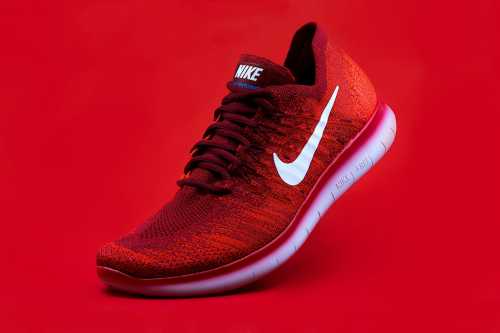
The Post-Hype Reckoning: How the Resale Contraction and the Digital Product Passport Are Liquidating the Streetwear Speculation Economy
Oct 23, 2026
The Subprime Hype Crisis: How Regulatory Moats and Grassroots Arbitrage Are Liquidating the Streetwear Economy
Oct 23, 2026
Comments (0)
No comments yet. Be the first to share your thoughts!
Want to join the discussion?
Please log in to post a comment.
Login NoworCreate an Account