
The Synthetic Menagerie: How Bio-Fabricated Exotic Skins Are Executing the Traditional Tannery Ecosystem

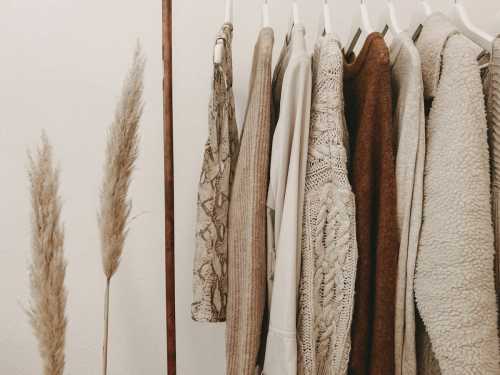
Swapping a wild-caught python for a lab-grown one is like replacing a mined diamond with a CVD synthetic; the chemical composition is identical, but the romance of the earth is permanently severed.
The Cellular Couture Mandate
Prada and Bottega Veneta have officially launched their first collections utilizing 100% bio-fabricated exotic skins, simultaneously instituting a permanent ban on traditional crocodile and python leather across all global boutiques. This core event marks the definitive transition of luxury materials from biological extraction to cellular agriculture, fundamentally rewiring the supply chain and challenging the historical definition of artisanal craftsmanship.
The Margin Compression of the Tannery
Mainstream coverage celebrates the ethical and environmental triumph of lab-grown skins, but the unseen implication is the severe margin compression facing traditional European tanneries. Historically, the scarcity and complex processing of exotic leathers commanded massive premiums that subsidized the broader leather goods ecosystem. According to a Q3 2026 Bain & Company luxury materials report, the unit cost of bio-fabricated python is now 40% lower than its traditional counterpart at scale. Tanneries that invested heavily in exotic curing infrastructure are facing stranded assets, forced to pivot to bio-reactor maintenance or face liquidation.
The Shift from Sourcing to Intellectual Property
Furthermore, the value chain is shifting from geographical sourcing to intellectual property. The new luxury moat is no longer controlling access to a farm in the Mekong Delta; it is holding the patent for the cellular replication sequence. "We are no longer in the business of curing hides; we are in the business of licensing biological algorithms," noted the CEO of a leading bio-fabrication partner during a recent industry summit. This shifts the power dynamic away from heritage artisans in France and Italy toward biotech engineers in Silicon Valley and Shenzhen, altering the cultural geography of luxury production.
The Uncanny Valley of Tactility
The most devastating, yet underreported, consequence is the subtle degradation of tactile heritage. While bio-fabricated skins mimic the visual pattern of exotic leathers, they lack the unique micro-variations, the natural grain irregularities, and the specific olfactory profile that connoisseurs associate with true luxury. "The machine can replicate the scale pattern, but it cannot replicate the soul of the animal," argued a third-generation master tanner in Tuscany. This creates an "uncanny valley" effect where the material looks perfect but feels clinically sterile, potentially alienating the legacy client who values the imperfect, organic reality of natural materials.
The Sustainability Shield
Proponents of the bio-fabrication pivot argue that the traditional exotic leather trade is an indefensible relic of a less enlightened era. They contend that lab-grown skins eliminate the ethical concerns of animal welfare, reduce water consumption by 90%, and bypass the complex, often opaque CITES regulatory frameworks. From this viewpoint, the transition is a necessary evolution that aligns the luxury sector with modern ESG imperatives, ensuring the industry's social license to operate in an increasingly regulated global market.
The Heritage Purist Counter-Narrative
Conversely, heritage purists warn that replacing natural materials with synthetic alternatives fundamentally hollows out the brand's historical equity. They argue that luxury is intrinsically tied to the mastery of natural, imperfect elements, and that bio-fabrication reduces the artisan to a mere assembler of lab-created commodities. This counter-argument posits that by prioritizing ethical compliance over material authenticity, brands are sacrificing their unique selling proposition, rendering their products indistinguishable from high-end synthetic alternatives.
Echoes of the 1920s Cultured Pearl
This structural shift mirrors the introduction of the cultured pearl by Kokichi Mikimoto in the early 20th century. Initially, the natural pearl industry dismissed cultured pearls as "fake" and "soulless," predicting the collapse of the fine jewelry market. Instead, the cultured pearl democratized access, expanded the overall market size, and eventually forced natural pearls into an ultra-niche, hyper-exclusive asset class. The historical lesson is clear: when a technology successfully mimics a natural luxury material, it does not destroy the market; it bifurcates it, pushing the natural original into extreme obscurity.
Strategic Posture for the Supply Chain
Traditional tanneries must immediately form cooperatives to pool capital for bio-reactor infrastructure, transitioning from curing facilities to cellular cultivation labs. Independent designers should leverage the scarcity of traditional exotic skins to market "heritage-certified" natural leather as an ultra-premium, counter-culture asset. Local regulatory bodies need to establish strict labeling standards for bio-fabricated materials to prevent consumer confusion and protect the integrity of the natural leather trade.
The Spring 2027 Horizon
Within six months, expect the secondary market for vintage, natural exotic leather goods to experience a massive price spike as collectors recognize their impending obsolescence. Simultaneously, the remaining traditional tanneries will face a wave of distressed acquisitions by biotech firms seeking to acquire their proprietary curing patents. The exotic skin is no longer a product of the wild; it is a product of the petri dish.
Related Articles
The Geopolitical Retreat: How Sovereign Localization Laws Are Forcing Luxury Brands to Abandon the Middle East Flagship
Oct 23, 2026
The Compliance Cartel: How the LVMH-Kering AI Supply Chain Mandate is Executing the Independent Artisan
Oct 23, 2026
Comments (0)
No comments yet. Be the first to share your thoughts!
Want to join the discussion?
Please log in to post a comment.
Login NoworCreate an Account