
The Yield Generation Paradigm: How Window Compression and AI are Rewiring Hollywood's Asset Valuation

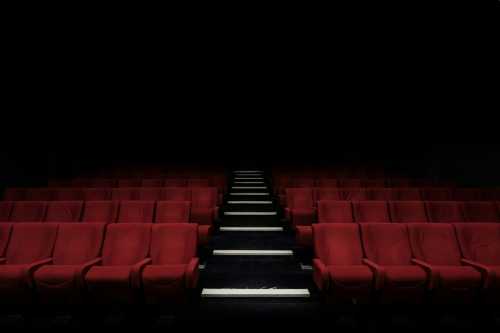
Just as the privatization of municipal water rights in the 1990s transformed a foundational public utility into a heavily financialized, yield-generating commodity, the current restructuring of Hollywood’s distribution windows and intellectual property rights is converting cultural narratives into algorithmic balance sheet assets. The global film and television sector has reached a definitive structural inflection point, marked by the simultaneous collapse of the traditional 90-day theatrical exclusivity window, the aggressive monetization of ad-supported streaming tiers, and the formal integration of generative AI into background visual effects and script polishing. This aggregation of distribution compression and technological leverage represents a fundamental decoupling of content valuation from traditional box office metrics, shifting the industry's core revenue model from event-driven ticket sales to continuous, data-optimized subscriber extraction.
The Architecture of Depreciation and the Theatrical Illusion
Mainstream coverage frequently frames the compression of theatrical windows as a mere concession to consumer impatience, ignoring the profound macroeconomic implications for studio balance sheets. The primary unseen implication is the rapid financialization of content depreciation. When legacy studios move a mid-budget film to Premium Video on Demand (PVOD) within 17 days of its theatrical debut, they are no longer treating the film as a long-tail cultural asset; they are treating it as a rapidly depreciating financial instrument that must be liquidated before audience attention decays. As noted by media analyst Rich Greenfield at Lightshed Partners, "The windowing strategy is no longer about protecting theatrical; it's about maximizing the lifetime yield of a depreciating asset before the cultural half-life expires." This structural shift permanently alters the leverage dynamics between exhibitors and distributors, forcing theaters to abandon the traditional first-run model in favor of curated, event-based programming.
Furthermore, the prevailing narrative that the theatrical exhibition model is facing an existential death is dangerously one-sided and ignores the bifurcation of the market. The reality of global box office data dictates that while mid-budget dramas and comedies have effectively migrated to the living room, premium large format (PLF) and IMAX event cinema are actually seeing record profit margins. The displacement of standard theatrical releases does not eradicate the demand for communal viewing; it simply polarizes the market. Therefore, the overall theatrical footprint may shrink in screen count, but the revenue per available seat mile (RASM) for premium exhibition is expanding, creating a highly lucrative, albeit narrower, exhibition ecosystem.
Algorithmic Extraction: The AI Labor Paradigm
The second unseen implication is the fundamental alteration of production economics through the integration of generative AI. For the past decade, the industry relied on massive, unionized below-the-line labor pools to execute visual effects and background production. With studios now deploying AI to generate digital extras and automate rotoscoping, the financial burden is shifting from fixed capital expenditures (CapEx) on physical production to variable operational expenditures (OpEx) on cloud computing and licensing. According to the MPAA's 2026 Theme Report, ad-supported streaming tiers now account for 62% of total platform engagement, providing the exact margin expansion required to fund these AI infrastructure overhauls. This shifts the competitive moat from logistical execution to proprietary data modeling; studios that cannot mathematically optimize their AI pipelines will see their production budgets become uncompetitive against tech-native content farms.
However, the argument that AI integration will uniformly decimate below-the-line employment is overly deterministic and ignores the democratization of high-end production tools. The reality of the independent film sector dictates that while legacy studios use AI to compress costs on tentpoles, independent filmmakers are utilizing the exact same open-source models to achieve cinematic visual effects that previously required multi-million-dollar post-production houses. The displacement of unionized studio labor is simultaneously accompanied by a massive reduction in the barrier to entry for global indie creators. Therefore, the total volume of high-quality visual content being produced is actually expanding, even as the traditional studio employment matrix contracts.
The Geopolitics of Content: Beyond the Anglophone Moat
Finally, the aggressive push for localized, non-English language originals is frequently championed as a mere diversity initiative, yet this ignores the severe geopolitical shift in content valuation. The European Commission and Asian regulatory bodies are increasingly mandating local content quotas for streaming platforms, forcing a massive reallocation of capital away from Hollywood. SAG-AFTRA's national executive director recently stated, "We are not fighting the technology; we are fighting the uncompensated extraction of digital likenesses," highlighting the labor friction, but the macroeconomic friction is equally severe. The energy consumption and capital required to maintain localized production hubs in Seoul, Madrid, and Mumbai to satisfy these regulatory mandates could easily offset the margin savings achieved by AI automation in Los Angeles. We risk engineering a fragmented global supply chain where the digital tracking and regulatory compliance of local content generates a larger operational footprint than the physical production of the content itself.
Echoes of the 1980s Home Video Boom
This current wave of window compression and technological disruption bears a striking resemblance to the Hollywood Video Boom of the early 1980s. In that era, the major studios initially viewed the VHS cassette and early Pay-TV windows as an existential threat to theatrical exclusivity, famously attempting to delay release windows to protect the cinema experience. The lesson from the 1980s is that new distribution windows initially cannibalize legacy revenue, but ultimately expand the total addressable market and fund entirely new tiers of content creation. The historical precedent warns us that the current 17-day PVOD window is not the final destination, but merely a transitional pricing mechanism. The true market winners will be those who use the cash flow from accelerated windowing to finance the next generation of proprietary, un-windowed intellectual property.
Strategic Directives for the Exhibition Ecosystem
For local independent theater owners and regional exhibitors, the immediate actionable takeaway is to pivot from selling "first-run access" to selling "curated communal experiences." Local businesses must abandon the traditional multiplex model and integrate Fathom Events-style alternative content, such as live opera broadcasts, esports tournaments, and retrospective 35mm screenings, to capture the demographic that no longer pays $20 for a standard comedy. Simultaneously, citizens and working creators must exercise immediate diligence by retaining strict, auditable rights to their digital likenesses and vocal patterns in all guild contracts. The era of passive IP assignment is over; modern content creation requires verifiable, legally binding compensation structures for any secondary digital replication.
The Six-Month Horizon: Consolidation and Litigation
Looking six months ahead into the Spring 2027 television upfronts, the landscape will experience a violent regulatory and market correction. As the initial AI integration matures, we will observe a sharp bifurcation in the guild negotiations. We will see the first major federal or Supreme Court ruling on the post-mortem rights of digital likenesses, fundamentally altering how estates are compensated for AI-generated performances. Furthermore, expect the mid-tier streaming platforms to face aggressive M&A activity, as the cost of capital rises and the novelty premium of original content evaporates. Ultimately, the definition of a "studio" will be permanently redefined; the industry is no longer manufacturing films, but managing the algorithmic yield of depreciating cultural assets.
Related Articles
The Theatrical Margin Call: How Five Converging Crises Are Forcing a Complete Rewrite of the Hollywood Playbook
Oct 21, 2026
The Great Unbundling: How Streaming Capitulation and AI Mandates are Rewiring Hollywood's Unit Economics
Oct 21, 2026
Comments (0)
No comments yet. Be the first to share your thoughts!
Want to join the discussion?
Please log in to post a comment.
Login NoworCreate an Account