
Celebrity Culture's August Reckoning: When Weddings, Deaths, and Breakups Define Our Collective Psyche

Like a seismograph recording tremors across multiple fault lines, this week's celebrity news captured three distinct cultural earthquakes: a lavish wedding, an icon's death, and a quiet breakup—each revealing how modern fame functions as society's emotional infrastructure.
The Montecito Spectacle: Celebrity Weddings as Economic Theater
Finneas O'Connell and Claudia Sulewski's August 29 wedding in Montecito represents more than a personal milestone—it exemplifies the destination wedding industrial complex now worth $36.4 billion globally. www.futuremarketinsights.com The couple's four custom Oscar de la Renta ensembles and star-studded guest list including Justin and Hailey Bieber signal how celebrity nuptials function as aspirational marketing engines. www.justjared.com This wedding-industrial complex creates ripple effects far beyond the ceremony itself, with luxury venues, local transport, catering, and event staffing feeding directly into regional economies. weddedwonderland.com
The destination wedding market is projected to reach $67.7 billion by 2036, growing at 6.4% annually—a trajectory fueled by celebrity examples that normalize extravagant expenditures. www.futuremarketinsights.com When celebrities marry in Montecito or Italian villas, they're not just celebrating love; they're establishing pricing benchmarks that trickle down through the entire wedding services ecosystem.
The Parasocial Grief Economy
Dolly Parton's death on August 25 at age 80 triggered a global mourning response that transcends traditional fan-celebrity boundaries. www.usatoday.com The country legend's passing from cancer activated what researchers term "parasocial grief"—a phenomenon where fans experience genuine bereavement over celebrities they've never met. www.eurekalert.org Studies show that 9% of people report lasting mental health effects from celebrity deaths, demonstrating the psychological reality of these one-sided relationships. thriveworks.com
Parton's nephew Bryan Seaver confirmed the death via video announcement, fulfilling a request she made "years ago"—a detail that underscores how even death arrangements now account for media consumption patterns. www.usatoday.com The global outpouring included musical tributes from Harry Styles and John Mayer, plus an official Buckingham Palace statement, revealing how celebrity grief becomes collective cultural performance. www.usatoday.com
Research indicates that grief over a celebrity's passing can mediate health information sharing and create temporary communities of shared loss. www.sciencedirect.com This parasocial attachment isn't pathological—it's a predictable response to decades of intimate media exposure where fans feel they "know" celebrities through their art and public persona.
The Quiet Breakup Economy
Ariana Grande and Ethan Slater's relationship ended "several months" before the June 2026 confirmation, according to sources. people.com This delayed disclosure pattern reflects strategic reputation management rather than transparency. The couple's three-year relationship dissolved quietly, with representatives describing the split as "amicable"—a term that has become public relations code for uncontroversial separation. www.instyle.com
The timing matters: Grande's breakup emerged during her Wicked promotional cycle, suggesting coordinated messaging to minimize career disruption. This reveals how celebrity relationships function as brand assets, with dissolution timing calibrated to protect commercial interests.
The Authenticity Paradox
Critics argue that celebrity culture's influence has waned in 2026, with people "no longer emotionally attached to famous faces the way they once were." www.facebook.com This perspective suggests the Finneas wedding, Parton's death, and Grande's breakup represent diminishing cultural touchstones in an era of fragmented attention and influencer saturation. The argument holds that traditional celebrities now compete with micro-influencers, TikTok creators, and AI-generated personalities for cultural relevance.
However, this ignores the economic reality: 68% of internet users aged 16-24 follow celebrity accounts on social media, and 28.89% of this demographic has made purchases based on celebrity endorsements. artios.io The wedding industry alone generates approximately $250 billion globally, with celebrity examples directly influencing consumer behavior. www.theknot.com These metrics contradict the narrative of declining celebrity influence.
The Generational Divide in Celebrity Consumption
Another counter-argument centers on whether celebrity culture primarily harms young people, with 74% believing it negatively impacts youth. yougov.com This perspective frames celebrity weddings as promoting unrealistic financial expectations and celebrity deaths as triggering unhealthy parasocial attachments among vulnerable populations.
Yet research demonstrates that celebrity influence operates across all age demographics, with 25-34 year-olds showing similar purchase patterns to younger consumers. artios.io The issue isn't age-specific harm but rather systemic economic pressures that make celebrity lifestyles appear attainable through consumption rather than structural change.
Historical Echoes: The Princess Diana Precedent
Parton's death recalls the 1997 global mourning for Princess Diana, when parasocial grief first entered mainstream consciousness. Both events revealed how mediated intimacy creates genuine emotional bonds that transcend physical distance. The lesson: societies process collective trauma through celebrity figures, using their deaths as occasions to examine broader cultural values about mortality, legacy, and meaning.
Strategic Responses for Stakeholders
Local businesses in celebrity-adjacent markets should develop flexible capacity strategies for event-driven demand spikes. Mental health professionals need training in parasocial grief counseling as celebrity deaths become increasingly common given the aging of Baby Boomer and Gen X icons. Brands must recalibrate celebrity partnership strategies, recognizing that 60% of consumers respond to influencer promotions versus just 3% for traditional celebrity endorsements. digitalmarketinginstitute.com
The Six-Month Forecast
By February 2027, expect destination wedding markets to show 15-20% price inflation in celebrity-favored locations like Montecito and Lake Como. Parasocial grief counseling will emerge as a specialized therapy niche. Celebrity breakup announcements will increasingly use AI-generated statements to manage emotional tone. The global wedding industry's $36.4 billion valuation will prove conservative as post-pandemic celebration spending continues accelerating. www.futuremarketinsights.com Most significantly, we'll see whether Parton's death triggers a country music revival or merely accelerates the genre's demographic transition.
Key Data Points: The destination wedding market totals $36.4 billion in 2026, growing to $67.7 billion by 2036. www.futuremarketinsights.com 9% of people experience lasting mental health effects from celebrity deaths. thriveworks.com 68% of 16-24 year-olds follow celebrities on social media. www.gwi.com
Related Articles
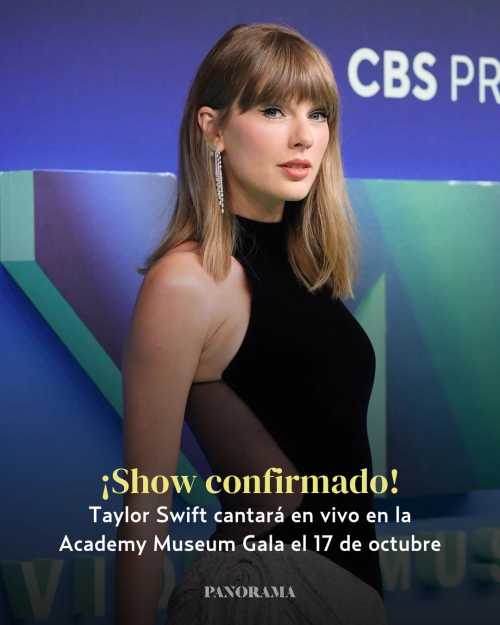
Celebrity Culture's October Reckoning: When Superstars Collide With Mortality, Money, and Market Forces
Oct 15, 2026
Hollywood's Perfect Storm: Five Celebrity Crises Expose Industry's Fragile Foundation
Oct 15, 2026
Comments (0)
No comments yet. Be the first to share your thoughts!
Want to join the discussion?
Please log in to post a comment.
Login NoworCreate an Account