
Postbiotic Supplement Containing 'Dead' Bacteria Boosts Natural GLP-1 and Curbs Weight Regain by 63%

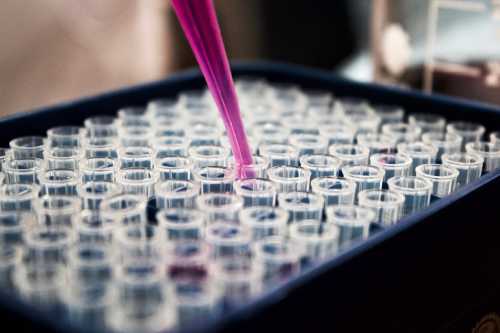
LONDON — In a development that could fundamentally alter the landscape of metabolic medicine, a daily postbiotic supplement containing pasteurized, dead bacteria has been shown to significantly boost the body's own production of the appetite-suppressing hormone GLP-1, according to a landmark randomized controlled trial published this week in Nature Medicine.
The findings, highlighted by New Scientist on August 7, 2026, reveal that the supplement—centered on the gram-negative bacterium Akkermansia muciniphila—cut weight regain by an astonishing 63 percent in participants who had recently undergone an intensive eight-week low-energy diet. The data suggests this oral intervention could provide a vastly more accessible and affordable alternative to the wildly popular, yet expensive and frequently scarce, injectable GLP-1 agonists such as semaglutide and tirzepatide.
Bypassing the Injection Fatigue
Pharmaceutical GLP-1 drugs mimic a hormone naturally synthesized by the intestine to signal satiety. While they have revolutionized obesity treatment, approximately half of all American patients discontinue their use within twelve months, citing prohibitive out-of-pocket costs, persistent supply chain shortages, and debilitating gastrointestinal side effects like severe nausea and vomiting. The new research pivots away from synthetic analogs and instead targets the gut microbiome to stimulate endogenous GLP-1 secretion.
"We knew that GLP-1 drugs like Ozempic and Wegovy did more than just help control type 2 diabetes and aid weight loss, but the extent to which the microbiome can naturally replicate this pathway is a paradigm shift. It will not replace dietary changes or prescription medications for severe obesity, but as an adjunct for weight maintenance, it is highly promising."
In the trial, participants who consumed the daily Akkermansia preparation lost an average of 2.6 kilograms—roughly 3 percent of their total body weight—during the maintenance phase, effectively stalling the notorious metabolic rebound that plagues most dieters once they stop aggressive caloric restriction. Unlike live probiotics, the bacteria in this formulation are pasteurized, rendering them inanimate but preserving the specific structural proteins that interact with intestinal L-cells to trigger hormone release.
Postbiotic supplement boosts body's own GLP-1 and weight loss | New Scientist — Official Update
The Next Frontier in Metabolic Health
Researchers caution that while the results are statistically robust, the supplement is not a silver bullet. Large-scale, long-term human intervention trials are still required to validate these effects across broader, more diverse populations. Nevertheless, the ability to harness a postbiotic to naturally elevate GLP-1 levels represents a critical leap forward in treating the chronic, relapsing nature of obesity. For patients transitioning off injectable therapies, or those seeking metabolic support without the financial burden of monthly prescriptions, a daily capsule of pasteurized Akkermansia may soon become a cornerstone of modern preventative endocrinology. Follow the ongoing research via New Scientist on X and the Nature Medicine official portal.
Related Articles

The Longevity Gold Rush: Analyzing the 2026 Medical Research and Sports Performance Convergence
Sep 21, 2026
The Bio-Actuarial Shift: How AI, Peptides, and Neuro-Vacuums are Rewiring Sports Medicine Economics
Sep 18, 2026![[The Medical Innovation Paradox: How Breakthrough Approvals Mask a Deeper Crisis in Drug Development]](https://www.crimaz.com/assets/images/no-image.jpg)
Comments (0)
No comments yet. Be the first to share your thoughts!
Want to join the discussion?
Please log in to post a comment.
Login NoworCreate an Account