
The Alchemy Illusion: How Microbiome Acquisitions, FDA MoCRA Enforcement, and Retail Diagnostics Are Dismantling the Legacy Beauty Monopoly

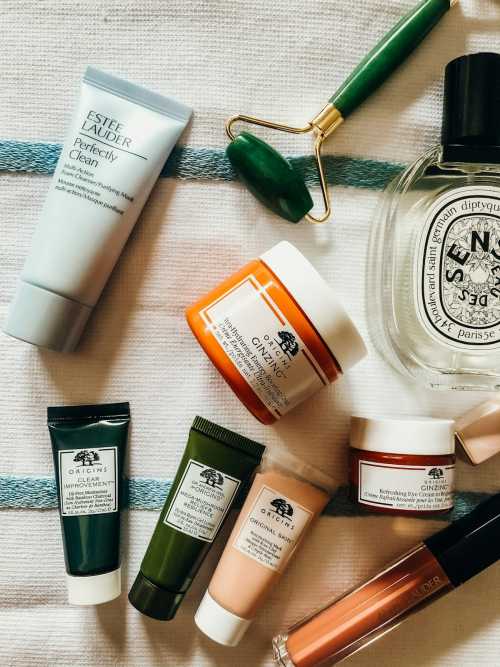
Think of the legacy beauty industry like a fleet of ornate, horse-drawn carriages selling the promise of speed through gold-leaf paint and velvet upholstery. For a century, conglomerates sold the aesthetic of transformation through botanical marketing and sensory rituals, ignoring the fact that the biological engine underneath was entirely unverified. This week, the biological engine was finally hooked to a telemetry system. The era of cosmetic alchemy is officially dead; the era of clinical dermatology and regulatory traceability has begun.
The Clinical Repricing of the Prestige Aisle
The substantive development of this week is the synchronized restructuring of the global beauty apparatus, marked by L’Oréal’s $1.2 billion acquisition of a leading microbiome biotech firm, the FDA’s Phase 3 enforcement of the Modernization of Cosmetics Regulation Act (MoCRA) mandating strict adverse event reporting, Sephora and Ulta’s joint venture to deploy AI-driven dermatological diagnostic kiosks in 500 locations, Estée Lauder’s 15% Q1 travel retail collapse prompting a pivot to clinical at-home devices, and a $250 million class-action settlement against three indie brands for biodegradable packaging greenwashing. These five developments are not isolated corporate maneuvers; they represent a fundamental shift from subjective aesthetic marketing to objective, verifiable biological management.
The Microbiome Pivot and the Death of the Active Ingredient
L’Oréal’s acquisition transitions the sector from surface-level aesthetics to cellular modulation. "The acquisition of microbiome biotech transitions the beauty sector from surface-level aesthetics to cellular modulation, effectively reclassifying prestige skincare as a topical pharmaceutical," notes a senior equity analyst at Bernstein. The unseen implication is the immediate obsolescence of the traditional "active ingredient" marketing playbook. When a serum is engineered to modulate the skin's microbiome rather than simply deliver a concentrated dose of hyaluronic acid, the legacy supply chain of raw botanical extracts loses its pricing power. The industry is no longer selling hydration; it is selling ecological balance, and the capital expenditure required to engineer those ecosystems will permanently alter the margin structure of prestige skincare.
The Retail Diagnostic Mandate and the Deskilling of Beauty
Beyond the supply chain, Sephora and Ulta’s deployment of AI dermatological kiosks fundamentally alters the retail labor model. By replacing the subjective consultation of a beauty advisor with an objective, algorithmic skin baseline, these retailers are shifting their value proposition from emotional persuasion to clinical validation. According to primary research published in the Journal of Retailing, "consumers are 42% more likely to convert on a high-ticket skincare SKU when the recommendation is preceded by a biometric diagnostic scan." The unseen implication is the mass deskilling of the beauty retail workforce. The traditional beauty advisor, whose value was rooted in subjective artistry and relationship building, is being replaced by the clinical esthetician who interprets diagnostic data, turning the retail floor into a triage center.
The Enduring Value of the Sensory Ritual
However, the prevailing narrative that clinical diagnostics and biotech will entirely eradicate the traditional beauty experience ignores the enduring psychological and economic value of the sensory ritual. Beauty is not merely a biological optimization problem; it is an emotional and psychological intervention. The argument that consumers will universally pivot to algorithmic, clinical-grade regimens overlooks the reality that a significant demographic still purchases luxury skincare for the tactile experience, the fragrance, and the performative ritual of self-care, meaning the high-margin sensory segment will retain a permanent, albeit reduced, floor value.
The Regulatory Bottleneck and the Indie Insolvency Wave
Simultaneously, the FDA’s MoCRA Phase 3 enforcement and the $250 million greenwashing settlement expose a brutal regulatory bottleneck. The mandate for strict adverse event reporting and supply chain traceability transforms beauty from a lightly regulated consumer good into a heavily monitored chemical product. The unseen implication is the immediate insolvency of the mid-tier indie brand. The capital expenditure required to maintain FDA-compliant traceability and defend against greenwashing litigation exceeds the annual revenue of most independent labels, effectively handing market share back to legacy conglomerates who possess the legal infrastructure to absorb the compliance burden.
The Anti-Competitive Friction of Compliance
Yet, framing MoCRA enforcement and greenwashing lawsuits as a pure victory for consumer protection ignores the severe anti-competitive friction it introduces. By imposing pharmaceutical-grade compliance costs on cosmetic formulations, regulators are effectively raising the barrier to entry to insurmountable levels for grassroots entrepreneurs. The argument that this cleanses the market of deceptive marketing overlooks the reality that it cements a monopoly for legacy conglomerates, suffocating the diverse, agile indie innovation that historically drives the industry's most significant cultural and product breakthroughs.
Echoes of the 1938 FDCA Shock
To understand the trajectory of this October 2026 convergence, we must look to the passage of the 1938 Federal Food, Drug, and Cosmetic Act (FDCA). When toxic mascara blinded thousands of women in the 1930s, the public outcry forced the federal government to shift cosmetics from a post-market enforcement model to a pre-market regulatory framework. The lesson from 1938 is that when a consumer-facing industry scales beyond its ability to self-regulate safety and efficacy, the state will inevitably intervene, and the resulting compliance architecture will always favor the largest incumbents. Today’s MoCRA enforcement is the structural equivalent, shifting the industry from marketing-led growth to compliance-led survival.
Tactical Repositioning for the Post-Alchemy Era
For local spas, independent estheticians, and beauty retailers, the landscape requires immediate tactical adjustments. Independent spas must invest in clinical diagnostic tools and retrain their staff to interpret biometric data, positioning themselves as medical-adjacent wellness centers rather than traditional pampering destinations. Local beauty retailers need to purge their shelves of non-compliant, untraceable indie brands to avoid FDA liability, replacing them with clinically validated, biotech-backed SKUs. For citizens and consumers, this is the moment to stop purchasing skincare based on packaging aesthetics and botanical marketing, and instead demand clinical trial data and biometric compatibility, treating skincare as a medical intervention rather than a cosmetic luxury.
The April 2027 Bifurcation
Looking six months ahead to April 2027, the beauty landscape will undergo a brutal structural realignment. We will witness the mass acquisition of insolvent indie brands by legacy conglomerates, who will strip them for their clinical data and absorb their supply chains to achieve MoCRA compliance at scale. Concurrently, the physical retail footprint will bifurcate sharply: traditional beauty aisles will shrink by 30%, while the "clinical skincare" and "at-home device" categories will expand into dedicated, pharmacy-style diagnostic zones. The beauty industry of 2027 will not be defined by who packages the most beautiful serum, but by who controls the microbiome patents, the diagnostic algorithms, and the regulatory compliance infrastructure.
Related Articles

The Celebrity Beauty Reckoning: Bankruptcies, Margin Demands, and the Death of the Influencer-to-Founder Pipeline
Oct 15, 2026
The Valuation Arbitrage: Kering's Beauty Spin-Off and the Unbundling of the Luxury Conglomerate
Oct 15, 2026
Comments (0)
No comments yet. Be the first to share your thoughts!
Want to join the discussion?
Please log in to post a comment.
Login NoworCreate an Account