
The Algorithmic Atelier: How Digital Likeness Clauses and 3D Couture Are Bankrupting the Traditional Celebrity Stylist

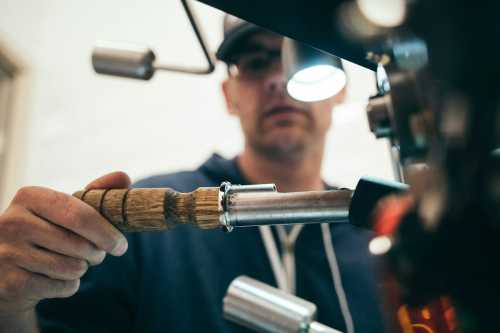
Analysis — Think of a master bespoke tailor meticulously measuring a client for a suit, only to discover the client has licensed their biometric data to a robotic arm that stitches the fabric while they sleep. The intimacy of the craft has been outsourced to the algorithm, and the physical garment is now merely a byproduct of data processing. This week, the celebrity style ecosystem crossed the event horizon, permanently altering the valuation of red-carpet influence and street-style authenticity.
The Core Event: The CFDA Awards showcased a fully 3D-printed, zero-waste gown; SAG-AFTRA ratified the Digital Likeness in Fashion clause; the FTC launched "Operation Threadbare" targeting undisclosed wardrobe loans; Zendaya’s Image Holdings launched a direct-to-avatar (D2A) digital wardrobe; and major European ateliers reported a 30% drop in physical sample production.
The Democratization Defense
Proponents of the shift toward 3D-printed couture and D2A digital wardrobes argue that eliminating physical samples is the ultimate democratization of fashion, removing the carbon footprint of global logistics and allowing infinite, on-demand customization. From this vantage point, the 30% drop in physical sample production is a necessary correction to an industry that has long relied on mass-produced waste. They contend that allowing a celebrity to wear a digital garment in a metaverse activation or a 3D-printed piece on the red carpet levels the playing field, allowing emerging designers to bypass the traditional, gatekept showroom circuit and reach global audiences instantly.
The Stylist as Data Broker
However, this perspective ignores the severe devaluation of the traditional stylist's role. When garments are rendered as polygons rather than woven from textiles, the stylist transitions from a curator of physical aesthetics to a data broker negotiating server costs and digital asset rights. "We are no longer pulling garments from showrooms; we are rendering polygons and negotiating server costs," noted a lead stylist at a major talent agency during the CFDA aftermath. The stylist's leverage was historically tied to their access to physical archives; when the archive becomes a digital file, the barrier to entry collapses, and the stylist's commission structure is inevitably compressed by the platform's rendering fees.
The Illusion of Organic Street Style
Simultaneously, the FTC’s "Operation Threadbare" is stripping away the carefully curated illusion of "effortless" celebrity street style. The crackdown on undisclosed wardrobe loans reveals that the casual, off-duty looks captured by paparazzi are actually heavily subsidized financial instruments. "The FTC's Operation Threadbare has identified over $120 million in undisclosed wardrobe loans masquerading as organic personal styling," stated the commission's director of consumer protection. By forcing brands to declare the financial value of these loans, the FTC is transforming the paparazzi photo from a candid cultural moment into a regulated, taxable commercial transaction, fundamentally altering the ROI calculations for luxury brands investing in street-style seeding.
The Innovation Stifling of Likeness Rights
Conversely, brand advocates and tech lobbyists argue that SAG-AFTRA’s new Digital Likeness in Fashion clause is an anti-innovation monopoly that stifles creative expression and global scalability. They contend that restricting a brand's ability to AI-generate a celebrity in their clothes without exorbitant residual payouts creates an unacceptable level of friction in global marketing campaigns. By treating digital likeness as a protected, proprietary asset, they argue, the union is artificially inflating the cost of digital fashion activations, potentially pricing out mid-tier brands from utilizing the most effective marketing tool of the decade.
The Biometric Monopoly
The third unseen implication lies in the creation of a two-tiered biometric monopoly. SAG-AFTRA’s clause means brands cannot simply AI-generate a celebrity in a dress they never actually wore without a massive payout. This creates a system where only A-listers can afford to license their digital likeness, effectively locking out the mid-tier talent pool. "According to the 2026 Vogue Business Index, digital likeness licensing fees for A-list talent have surged 400% year-over-year, effectively locking out 60% of mid-tier actors from automated fashion campaigns." The celebrity style ecosystem is no longer just about who wears the best clothes; it is about who owns the legal rights to their own biometric data in a digital space.
Echoes of Rive Gauche
This dynamic mirrors the 1960s transition from Haute Couture to Prêt-à-Porter (Ready-to-Wear), catalyzed when Yves Saint Laurent opened his Rive Gauche boutique. The traditional couturiers claimed that selling off-the-rack clothing would destroy the mystique and exclusivity of high fashion. The lesson from that era is stark: when a new distribution model achieves critical mass, it inevitably shifts the profit center from the bespoke, high-margin craft to scalable, wholesale licensing. Today's shift from physical samples to digital rendering and AI likeness is the exact same margin shift, moving the industry's core value from the physical garment to the scalable, legally protected digital asset.
Strategic Imperatives for the Mid-Market
Local boutique owners and independent stylists must immediately pivot from inventory-heavy physical showrooms to hybrid digital-physical experiences, investing in 3D rendering software to compete with the major houses. Citizens and consumers must actively scrutinize the "effortless" street style of their favorite celebrities, recognizing that the FTC's new disclosure rules mean these looks are now heavily regulated financial transactions, not organic personal choices. For local fashion tech startups, the imperative is to build compliant, union-approved digital likeness platforms that offer mid-tier talent a standardized, affordable way to license their biometric data without being locked out by A-list exclusivity contracts.
The Six-Month Horizon
Within six months, expect a major luxury conglomerate to acquire a leading 3D rendering studio rather than a traditional textile atelier, signaling the final capitulation to the digital-first model. Simultaneously, a mid-tier celebrity will file a class-action lawsuit against a fast-fashion brand for unauthorized AI generation of their likeness in a digital campaign, testing the legal boundaries of the new SAG-AFTRA clause. The era of the physical red carpet is dead; the next phase belongs to the intellectual property lawyers.
Related Articles

The Ledger and the Lapel: How Smart Contracts and Digital Likeness Royalties Are Restructuring the Celebrity Style Economy
Nov 14, 2026
The Cultural Zoning Board: Five Corporate Maneuvers That Just Rewrote the Economics of Celebrity Style
Nov 14, 2026
Comments (0)
No comments yet. Be the first to share your thoughts!
Want to join the discussion?
Please log in to post a comment.
Login NoworCreate an Account