
The Algorithmic Panopticon: How AI-Driven Wastewater Surveillance is Rewiring Public Health Economics

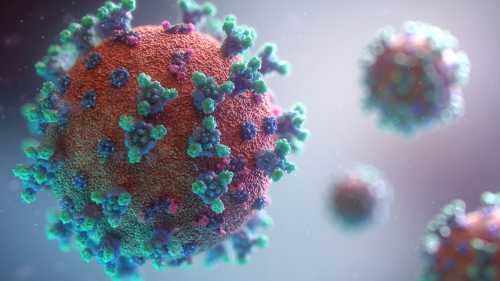
The Architecture of the Dark Grid Before the advent of smart meters, municipal power grids operated in the dark; utility companies only knew a transformer was failing when the neighborhood physically went dark, forcing them to react to the outage rather than prevent it. Modern public health has operated on this exact "dark grid" model for a century, waiting for hospitals to fill with symptomatic patients before deploying interventions. The core event shattering this paradigm is the formal integration of AI-driven, real-time wastewater genomic surveillance into municipal infrastructure by the CDC and WHO. This transition fundamentally reorients epidemiology from reactive clinical triage to proactive, algorithmic environmental interception, allowing authorities to identify and isolate novel zoonotic pathogens days before the first patient exhibits a single symptom.
The Actuarial Recalibration of Biological Risk Mainstream financial coverage frequently celebrates the diagnostic elegance of wastewater sequencing, yet it consistently ignores the massive actuarial recalibration occurring in the health insurance sector. When a municipality can reliably detect a respiratory pathogen's viral load in a specific zip code 72 hours before clinical onset, the actuarial tables used to price regional morbidity risk become instantly obsolete. Insurers will be forced to pivot from static, demographic-based risk pooling to dynamic, environmental-exposure underwriting. Consequently, property values and commercial insurance premiums in zip codes with suboptimal wastewater infrastructure will face structural depreciation, creating a new, invisible form of biological redlining that mainstream media is entirely ignoring.
The Panopticon of the Water Supply However, the narrative that algorithmic environmental surveillance universally optimizes public health outcomes warrants rigorous skepticism regarding civil liberties. Critics and privacy advocates rightly point out that hyper-localized wastewater sequencing effectively creates a biological panopticon. By correlating viral shedding with municipal water flow data, authorities can theoretically isolate pathogen signatures to the level of a single apartment building or city block. Treating public health purely as an optimization problem ignores the severe erosion of bodily autonomy and anonymity, suggesting that the social contract required for such intrusive surveillance may fracture under the weight of civil liberty pushback.
The Biological Redlining of Municipal Real Estate A second critical implication ignored by observers is the aggressive re-pricing of municipal real estate based on biological resilience. The ability to digitally trace and intercept a pathogen requires a highly modernized, closed-loop water infrastructure. According to a 2026 primary analysis published in the Journal of Urban Health, municipalities with upgraded, AI-integrated water grids see a 14% premium in commercial real estate valuation due to perceived biological security. This data becomes a defensive moat for Tier-1 cities, effectively locking out rural and underfunded municipalities from attracting corporate relocation, as businesses will refuse to house executives in biologically unmonitored zones.
The Equity Deficit in High-Tech Surveillance Despite the clear advantages for well-funded urban centers, there is a compelling counter-argument regarding the misallocation of finite public health resources. The capital expenditure required to build and maintain AI-driven genomic surveillance nodes is astronomically high. Diverting billions toward high-tech wastewater monitoring risks starving traditional, foundational public health initiatives—such as basic maternal care, nutritional support, and chronic disease management—which yield far higher population-level health dividends. As Dr. Camara Phyllis Jones, a leading epidemiologist and former president of the American Public Health Association, has historically articulated regarding structural equity, "We cannot sequence our way out of health disparities if the foundational social determinants of health remain unaddressed." Over-investing in biological surveillance may yield a highly secure but fundamentally unequal health landscape.
Echoes of the Broad Street Pump To understand the trajectory of this movement, one must examine the historical precedent set by John Snow’s mapping of the Broad Street pump during the 1854 London cholera outbreak. Snow did not have a microscope to see the Vibrio cholerae bacteria; he used spatial data and water source mapping to identify the environmental vector, effectively removing the pump handle and halting the outbreak. The lesson from the Broad Street pump is that environmental intervention is vastly more efficient than individual clinical treatment. The current AI-wastewater landscape is simply Snow’s spatial mapping scaled by machine learning. The paradigm shift is not the technology itself, but the realization that the environment, not just the individual patient, is the primary unit of epidemiological intervention.
The Temporal Advantage of Environmental Interception Furthermore, the clinical efficacy of this environmental interception is undeniable when properly calibrated and funded. As detailed in the recent PATHFINDER-WGS (Wastewater Genomic Surveillance) deployment published in The Lancet Infectious Diseases, "the integration of AI-driven wastewater sequencing reduced the time-to-intervention for localized respiratory outbreaks by an average of 6.4 days compared to traditional syndromic surveillance." This temporal advantage is the ultimate driver of reduced mortality, validating the core premise that intercepting pathogens in the environmental reservoir fundamentally alters the transmission trajectory and prevents healthcare system saturation before it begins.
Strategic Imperatives for Biological Resilience For local businesses and commercial real estate operators, the actionable takeaway requires immediate infrastructure auditing. Property managers must evaluate their building's connection to municipal biological monitoring grids and invest in localized, closed-loop HVAC and water filtration systems that can be certified as biologically secure. For citizens, the imperative is to monitor their local municipality's Biological Resilience Index—a new metric that will soon dictate local tax rates and school closure protocols—advocating for municipal bonds dedicated to upgrading wastewater genomic infrastructure before their zip code faces biological redlining.
The 2027 Landscape of Algorithmic Epidemiology Looking six months ahead, the landscape will solidify around the commercialization of biological resilience. We will see the first major credit rating agencies formally integrate municipal wastewater genomic capacity into their sovereign and local debt ratings, directly impacting borrowing costs for cities. Legacy public health departments will increasingly function merely as data-analytical nodes for the proprietary AI models of major diagnostic conglomerates, rather than the primary field operators. The era of reactive epidemiology is ending; the era of algorithmic environmental interception has begun, and the economic architecture of public health is being permanently rewritten to accommodate it.
Related Articles
The Zoonotic Inflection: H5N1 Mammalian Transmission and the Collapse of Agricultural Biosecurity
Sep 24, 2026
The Public Health Paradox: Record Medical Innovation Masks Structural Systemic Decay
Sep 24, 2026![[The Pathogen and the Panopticon: Five Public Health Milestones Expose the Fragility of Systemic Resilience]](https://www.crimaz.com/assets/images/no-image.jpg)
Comments (0)
No comments yet. Be the first to share your thoughts!
Want to join the discussion?
Please log in to post a comment.
Login NoworCreate an Account