
The Algorithmic Timepiece: How Dynamic Pricing is Dismantling the Grey Market and the Veblen Good Illusion

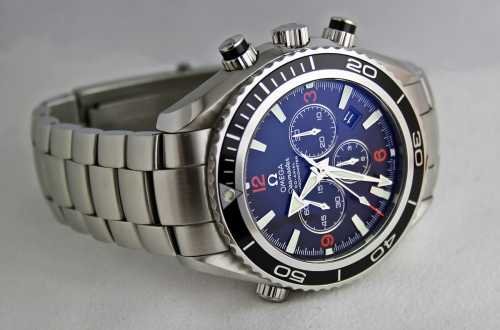
Tying the price of a mechanical watch to the daily spot price of gold is like pricing a Stradivarius violin based on the current market value of spruce wood; it captures the material cost but entirely misses the soul of the craft.
The Yield Management Revolution
Richemont and Rolex have quietly implemented dynamic algorithmic pricing for their hard goods, adjusting retail prices weekly based on secondary market demand, raw material spot prices, and localized macroeconomic indicators. This core event marks the definitive end of the static pricing model in luxury horology, transforming mechanical watches from stable heritage assets into highly volatile, algorithmically managed financial instruments.
The Destruction of Grey Market Arbitrage
Mainstream financial media celebrates the margin expansion for the conglomerates, but the unseen implication is the total destruction of the grey market arbitrage model. Historically, independent dealers profited from the delta between the static retail price and the soaring secondary market value. By dynamically adjusting the retail price to match real-time secondary demand, brands are capturing 100% of the premium at the point of first sale. According to a Q3 2026 Morgan Stanley luxury watch report, the grey market premium for flagship models has collapsed by 65% since the algorithmic pricing rollout. The middleman is being mathematically eradicated.
The Erosion of the Authorized Dealer Network
Furthermore, this shift is triggering an existential crisis for the traditional Authorized Dealer (AD) network. ADs operate on fixed margin structures and rely on the stability of retail pricing to manage their inventory risk. When the brand dynamically alters the wholesale and retail price on a weekly basis, the AD's financial modeling becomes impossible. "We are being asked to sell a product whose price changes before the ink on the receipt is dry," noted the owner of a prominent European AD consortium. Brands are using this volatility as a pretext to terminate AD contracts and bring distribution entirely in-house through direct-to-consumer digital vaults.
The Commoditization of the Veblen Good
The most profound consequence is the psychological erosion of the watch as a Veblen good. The allure of luxury horology has always relied on the perception of enduring, stable value—a hedge against inflation and a store of generational wealth. When the price of a watch fluctuates with the same volatility as a tech stock, it ceases to be a legacy asset and becomes a speculative commodity. "We are engineering the mystique out of the masterpiece," argued a former head of global sales for a major Swiss manufacture. The brand is optimizing for short-term margin extraction at the expense of long-term brand equity.
The Market Efficiency Defense
Proponents of algorithmic pricing argue that the static pricing model was an archaic relic that allowed parasitic middlemen to extract billions in unearned rent. They contend that dynamic pricing ensures that the brand captures the true market value of its product, aligning supply with demand in real-time and eliminating the artificial scarcity that fueled the grey market. From this viewpoint, the transition is a necessary correction that restores economic rationality to a market distorted by speculative hype.
The Client Alienation Counter-Narrative
Conversely, legacy collectors warn that treating a mechanical masterpiece like a barrel of crude oil fundamentally alienates the core client base. They argue that the emotional connection to a luxury watch relies on the certainty of its value proposition; when that certainty is replaced by algorithmic volatility, the client retreats to alternative stores of value, such as fine art or real estate. This counter-argument posits that the brands are sacrificing the loyalty of their most passionate collectors to appease the short-term demands of institutional shareholders.
Echoes of the 1980s Airline Yield Management
This structural shift mirrors the airline industry's adoption of yield management in the 1980s, where dynamic pricing replaced fixed fares based on real-time booking data. While it maximized revenue per flight and filled empty seats, it permanently altered the consumer psychology of flying, transforming a premium service into a highly commoditized, price-sensitive experience. The historical lesson is that when a brand introduces algorithmic pricing, it inevitably trains the consumer to view the product purely through the lens of financial optimization, stripping away the emotional premium.
Strategic Posture for Collectors and Retailers
Independent watch dealers must immediately pivot from trading new inventory to specializing in vintage and neo-vintage pieces, where pricing remains detached from the brands' algorithmic control. Authorized Dealers need to renegotiate their contracts to include dynamic margin protections, ensuring they are not left holding depreciating inventory during a price correction. Collectors should diversify their portfolios away from hyper-financialized modern production pieces, focusing instead on discontinued references with fixed historical supply.
The Autumn 2027 Horizon
Within six months, expect the first major class-action lawsuit from terminated Authorized Dealers alleging anti-competitive practices and breach of contract regarding the dynamic pricing mandate. Simultaneously, the secondary market for vintage watches will decouple entirely from modern retail pricing, creating a two-tiered market where modern algorithmic watches trade like currencies, and vintage pieces trade like heritage art. The mechanical watch is no longer a timeless heirloom; it is a high-frequency trading asset.
Related Articles

The Geopolitical Retreat: How Sovereign Localization Laws Are Forcing Luxury Brands to Abandon the Middle East Flagship
Oct 23, 2026
The Compliance Cartel: How the LVMH-Kering AI Supply Chain Mandate is Executing the Independent Artisan
Oct 23, 2026
Comments (0)
No comments yet. Be the first to share your thoughts!
Want to join the discussion?
Please log in to post a comment.
Login NoworCreate an Account