
The Architectural Shift in Cultural Capital: How Athletes and Stylists Are Rewriting the Fashion Economy

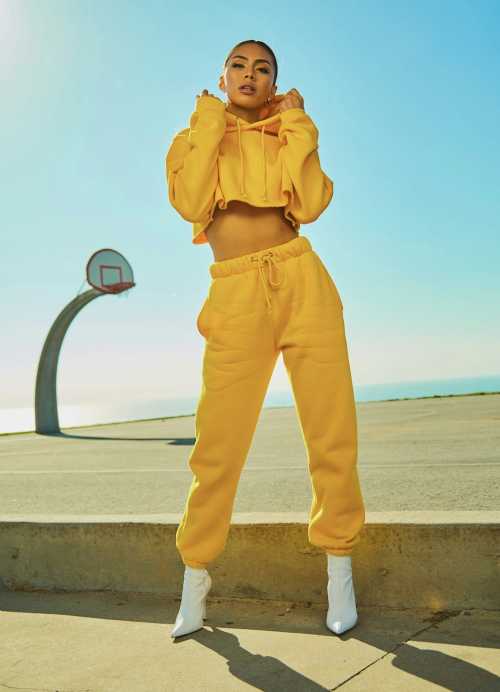
Consider the modern celebrity style ecosystem not as a red carpet, but as a high-frequency trading floor. Cultural capital is no longer passively worn; it is algorithmically valued, leveraged, and exchanged. The traditional paradigm of the passive celebrity muse has been liquidated, replaced by a calculated matrix of equity, demographic data, and sovereign brand ownership.
The Architectural Shift in Cultural Capital
A convergence of five distinct market movements signals a permanent restructuring of the fashion and sports nexus. Tommy Hilfiger has formally signed NFL star Travis Kelce as a global brand ambassador, explicitly prioritizing sports equity over traditional entertainment wwd.com . Concurrently, heritage houses are treating tennis prodigies like Carlos Alcaraz and Coco Gauff as mandatory prerequisites for new campaign launches, effectively displacing legacy actors www.businessoffashion.com . Behind the scenes, celebrity stylists such as Law Roach have transitioned from behind-the-scenes dressers to recognized image architects and independent brand owners www.businessoffashion.com . Furthermore, Asian celebrity ambassadors are systematically transforming Fashion Week front rows into quantifiable global media events www.scribd.com . Finally, WNBA athletes like Angel Reese are securing major fashion endorsements, proving that women’s sports style is a dominant, untapped economic engine www.facebook.com .
The Monetization of the Front Row
Mainstream fashion journalism persistently mischaracterizes front-row seating as a matter of prestige or courtesy. This is a fundamental analytical error. The presence of specific demographic drivers is now a quantifiable media buy. Heritage houses allocate these seats based on projected earned media value and regional market penetration. When an Asian celebrity ambassador or global sports icon attends a Paris show, they are not merely observing; they are executing a high-yield brand activation that directly influences Q3 retail performance in APAC markets www.businessoffashion.com . The front row has been financialized, transforming what was once a social courtesy into a rigid, metrics-driven advertising expenditure.
The Stylist as Sovereign Entity
The power dynamic between talent and representation has inverted. The contemporary celebrity stylist is no longer a service provider; they are a sovereign entity. As industry analysis notes, "Today's stylist, particularly the celebrity stylist, is indeed an architect. They compose, plan and build a look from the ground up" artfulliving.com . By leveraging their access to archival fashion and their ability to manufacture viral moments, top-tier stylists are launching their own commercial ventures, capturing equity that previously flowed exclusively to the talent or the fashion house. They are the new gatekeepers of cultural relevance.
The Data-Driven Endorsement Matrix
The financialization of celebrity style is underpinned by hard metrics. The athlete brand management market crossed a valuation of USD 5.5 billion in 2025, reflecting a massive institutional reallocation of marketing budgets away from traditional entertainment and toward athletic prestige www.factmr.com . Brands are no longer purchasing aesthetics; they are purchasing data and demographic access. Platform analytics indicate that the average number of required social posts per athlete deal rose from 2.9 to 3.5 between 2024 and 2025, representing a 20% increase in deliverable obligations www.talentresources.com . This contractual tightening proves that fashion houses demand measurable, algorithmic ROI, treating human ambassadors as performance marketing channels rather than artistic muses.
Echoes of the 1990s Supermodel Cartel
To contextualize this shift, one must examine the 1990s supermodel era. Figures like Naomi Campbell and Cindy Crawford dictated terms, transcended modeling to become global brands, and forced fashion houses to adapt to their schedules. The current athlete-stylist nexus is the direct evolutionary successor to this cartel. However, the modern iteration possesses a distinct advantage: the backing of multi-billion-dollar sports league revenues and global broadcasting rights. The historical lesson is unequivocal: when talent controls the primary distribution channel of cultural relevance, the traditional middleman is reduced to a mere service provider.
Strategic Imperatives for Market Participants
For independent designers and local retail businesses, the path forward requires immediate strategic recalibration. Abandon the pursuit of saturated, tier-one celebrity endorsements. Instead, forge micro-partnerships with emerging athletes in niche, high-growth sports such as pickleball, climbing, or women's collegiate athletics. These demographics offer higher engagement rates and lower acquisition costs. For consumers, the directive is equally clear: view celebrity style as a financial indicator rather than a trend guide. Allocate capital toward versatile, high-quality archival pieces rather than transient, hype-driven collaboration drops that depreciate the moment the news cycle shifts.
The Six-Month Horizon
Within the next six months, the market will witness a pronounced acceleration in this realignment. We predict at least one major heritage fashion house will publicly sever ties with a traditional actor or model ambassador in favor of a tier-one athlete, explicitly citing audience alignment metrics in their press releases. Concurrently, top-tier celebrity stylists will secure their first rounds of institutional venture capital, formalizing their transition from service providers to principal stakeholders in the fashion economy. The market is correcting. Adapt or be liquidated.
Related Articles

The Telemetry Couture: How Biometric Draping and Phygital Archival Lockouts Are Liquidating the Traditional Red Carpet
Oct 22, 2026
The Morphological Economy: How Kim Kardashian's North West Transformation and the Algorithmic Celebrity Style Machine Are Permanently Rewiring Fashion Influence
Oct 22, 2026
Comments (0)
No comments yet. Be the first to share your thoughts!
Want to join the discussion?
Please log in to post a comment.
Login NoworCreate an Account