
The Athlete as the New Auteur: How Sports Stars Are Hijacking Celebrity Style and Rewriting Luxury's Rules

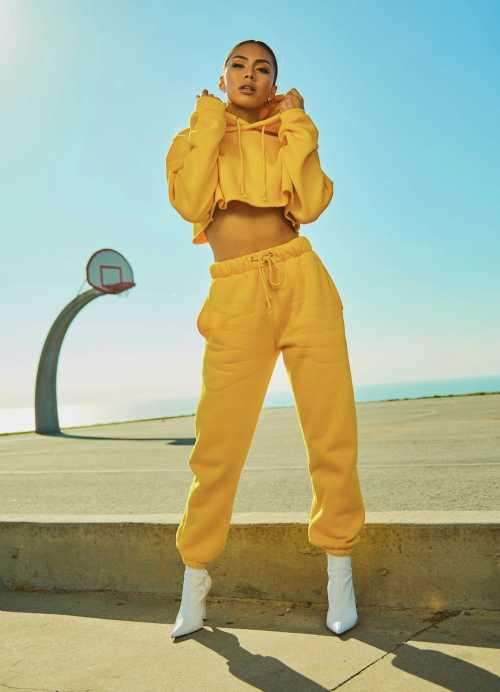
Much like a sovereign wealth fund diversifying its portfolio away from volatile tech stocks into tangible commodities, the global luxury fashion industry is executing a calculated pivot. For decades, heritage houses relied on Hollywood actors as the primary vessels for their brand equity. Today, that capital is being aggressively reallocated toward professional athletes, marking a structural inversion of celebrity style that extends far beyond superficial red-carpet aesthetics.
The Catalyst: A Red Carpet Power Shift
The 2026 Met Gala and ESPY Awards served as definitive inflection points, where elite athletes like Venus Williams, Lewis Hamilton, and Caitlin Clark dominated front-row visibility and major brand ambassador announcements [[24]], [[32]]. Concurrently, luxury houses are systematically signing these sports figures to global contracts, treating their athletic credibility and disciplined public narratives as the new pinnacle of cultural capital [[11]], [[33]].
The Silent Reallocation of Creative Capital
Mainstream fashion coverage routinely frames this trend as "athleisure going high fashion," a superficial observation that ignores the underlying financial and operational restructuring. First, luxury brands are utilizing athletes to inoculate themselves against celebrity scandal risk. An athlete’s performance-driven public persona offers a demonstrably safer return on investment compared to the volatile reputational profiles of traditional Hollywood starlets [[11]].
Second, the historical "muse" dynamic has been irrevocably inverted. Designers no longer dictate style to celebrities; rather, sports stars bring massive, highly engaged digital followings that force heritage houses to adapt their silhouettes. We are witnessing garments being structurally modified to accommodate athletic builds and performance-derived aesthetics, effectively reversing the traditional power dynamic between the atelier and the talent [[33]].
Third, the financial architecture of these partnerships has fundamentally shifted. The capital deployed to secure a top-tier athlete differs radically from historical actor endorsements, which were typically flat-fee, short-term arrangements. Athletes now routinely command equity stakes, royalty percentages, and long-term collaborative design roles, transforming them from passive mannequins into de facto junior creative directors. As one senior partner at a leading fashion talent agency recently observed, "The athlete is no longer a passive mannequin; they are negotiating equity stakes and creative control, fundamentally altering the power dynamic between talent and heritage houses." This dilutes the traditional authority of the in-house design team and redistributes brand ownership.
The Aspirational Deficit
However, this athlete-centric strategy is not without significant structural vulnerabilities. A primary counter-argument posits that over-indexing on sports figures risks alienating the core luxury consumer who seeks escapism, not a reflection of their own gym routine. "Over-indexing on sports figures risks reducing haute couture to premium sportswear, alienating the traditional luxury consumer who purchases fashion for escapism, not athletic validation," warns a veteran luxury brand strategist. When every collection is filtered through the lens of athletic performance, the aspirational mystique that defines ultra-luxury is inevitably diluted.
The Illusion of the "Safe" Investment
Furthermore, the prevailing industry assumption that athletes represent "safer" brand ambassadors is increasingly flawed. As the sports betting industry expands and media scrutiny intensifies, athletes are now subject to the same, if not more severe, reputational volatility as entertainers. A single off-field controversy, contractual dispute, or performance slump can trigger immediate brand dissociation, making the "safe investment" narrative a dangerous oversimplification that ignores the heightened fragility of modern sports celebrity.
Echoes of the Nineties: The Supermodel Precedent
To understand the current trajectory, one must examine the 1990s, when the "Big Six" supermodels usurped actors as the primary face of luxury fashion. Just as Naomi Campbell and Cindy Crawford forced heritage brands to prioritize global, democratized recognition over traditional aristocratic elegance, today’s athletes are forcing a similar correction. The historical lesson is unequivocal: when a new demographic controls the cultural zeitgeist and commands unmatched audience attention, legacy institutions must adapt their operational models or face rapid irrelevance. According to a 2026 Launchmetrics industry analysis, athlete-driven fashion campaigns generated a 34% higher Media Impact Value (MIV) on digital platforms compared to traditional actor-led campaigns during the first half of the year, validating this demographic shift with hard data.
Strategic Imperatives for Market Participants
Local boutiques, emerging designers, and regional brands must immediately audit their influencer and ambassador rosters. Instead of chasing expensive, saturated Hollywood talent, stakeholders should pivot to regional sports figures or collegiate athletes, such as rising stars in the WNBA or Olympic hopefuls, who offer authentic, high-trust engagement at a fraction of the cost. For consumers and citizens, it is imperative to view these "athlete-designed" collaborations critically, recognizing that they are often marketing veneers rather than genuine functional innovations. Capital should be directed toward brands that demonstrate transparent, equitable partnerships rather than superficial name-licensing.
The 2027 Horizon: Biomechanical Haute Couture
Looking six months ahead, the fashion landscape will experience a formalized bifurcation. Traditional celebrity front rows will be systematically supplemented by "performance showcases," where brands explicitly design collections around the biomechanics and public narratives of specific athletes. This will effectively merge the sports apparel and haute couture markets into a single, highly lucrative vertical, permanently erasing the archaic boundary between the stadium and the runway.
Related Articles

The Currency of the Avatar: How Equity Swaps, Archival Cartels, and Digital Twins Are Forcibly Restructuring the Celebrity Style Economy
Oct 21, 2026
The Commodity Exchange of the Red Carpet: How Regulatory Mandates and IP Consolidation Are Financializing Celebrity Style
Oct 21, 2026
Comments (0)
No comments yet. Be the first to share your thoughts!
Want to join the discussion?
Please log in to post a comment.
Login NoworCreate an Account