
The Architecture of Authenticity: How Celebrity Style is Financializing the Wardrobe


When a central bank prints money to stimulate the economy, the initial surge in spending feels like prosperity, but the eventual inflation reveals that the value was merely diluted, not created. The celebrity style ecosystem is currently executing a structurally identical maneuver. Behind the celebratory announcements of archival fashion and sustainable partnerships lies a calculated financialization of aesthetics, as the industry consolidates cultural capital while mid-tier brands desperately chase relevance through curated authenticity.
The Paradigm Shift in Celebrity Aesthetics
In September 2026, the celebrity fashion landscape underwent a simultaneous realignment, characterized by Taylor Swift’s pivot to accessible normcore, Zendaya’s continued high-fashion dominance, the mainstreaming of gender-fluid red carpet aesthetics, and a surge in sustainable fashion ambassadorships like Cara Delevingne’s partnership with Armedangels. These developments signal a coordinated departure from conspicuous consumption toward curated authenticity and circular economics, fundamentally altering how style is produced, consumed, and monetized.
Echoes of the 1990s Minimalist Rebellion
This current trajectory uncomfortably mirrors the minimalist fashion movement of the mid-1990s, spearheaded by figures like Carolyn Bessette-Kennedy and Kate Moss. During that era, the opulent, logo-heavy excess of the 1980s was rejected in favor of "quiet luxury" and slip dresses, which were initially framed as a rejection of conspicuous consumption. However, the historical lesson is stark: the 1990s minimalist aesthetic was quickly co-opted by luxury conglomerates, who began charging premium prices for ostensibly "simple" garments, proving that the industry will always find a way to commodify rebellion. Today’s pivot to vintage and sustainable styling risks the same fate, transforming anti-consumerist statements into the next highly profitable luxury niche.
The Economics of Archival Styling
Mainstream coverage frames celebrity vintage wearing as a charming nod to fashion history, systematically ignoring its function as a defensive moat against fast-fashion saturation. When stars like Taylor Swift wear accessible denim or archival pieces, it artificially inflates the scarcity value of secondhand markets. According to a 2026 market analysis by Fashionphile, luxury resale platforms have documented a 40% surge in traffic directly attributed to celebrity archival styling, transforming wardrobe curation into an asset-class investment [[36]]. This shifts the power dynamic entirely: celebrity stylists are no longer just borrowing clothes for editorial exposure; they are brokering high-value vintage assets, effectively financializing the celebrity wardrobe and extracting value from the secondary market.
The Greenwashing Trap in Celebrity Endorsements
The proliferation of sustainable fashion ambassadors, such as Cara Delevingne’s recent alignment with Armedangels, masks a deeper systemic contradiction within the industry [[32]]. While these partnerships generate positive public relations, they often serve as compliance theater for legacy conglomerates seeking to offset their carbon footprints without altering core supply chain practices. A 2026 Global Fashion Summit analysis revealed that despite increased celebrity advocacy, the industry's overall Scope 3 emissions have risen by 8%, indicating that high-profile endorsements are frequently decoupled from substantive supply chain decarbonization [[35]]. The marketing spend on these ambassadorships vastly outpaces the actual research and development invested in sustainable textiles.
The Deconstruction of Gendered Red Carpet Norms
The normalization of gender-fluid fashion, exemplified by recent red carpet appearances from figures like Sam Smith and Harry Styles, represents more than aesthetic rebellion; it is a calculated disruption of traditional luxury market segmentation [[24]], [[27]]. By blurring the lines between menswear and womenswear, these celebrities are forcing heritage houses to redesign their entire production pipelines. This creates a new, highly lucrative revenue stream in "unisex" or "gender-neutral" collections, which command premium pricing due to their perceived avant-garde status, effectively monetizing the dissolution of binary fashion norms while expanding the total addressable market for legacy brands.
The Accessibility Illusion
Critics of the "normcore" and vintage trend rightly argue that framing celebrity style as "accessible" is a profound misrepresentation of economic reality. When Taylor Swift wears a $40 tank top, it sells out instantly, but the average consumer cannot replicate the full ecosystem of her styling, which includes custom tailoring, exclusive industry access, and dedicated team coordination [[9]]. From this perspective, the "democratization" of celebrity fashion is merely an illusion that drives hyper-consumption among fans attempting to emulate a lifestyle that remains fundamentally gated by wealth and institutional connections.
The Sustainability Skepticism
Conversely, some industry analysts defend celebrity sustainable fashion partnerships as necessary catalysts for mainstream behavioral change. They argue that while individual endorsements may not solve systemic supply chain issues, they normalize circular fashion for millions of consumers. As sustainable fashion advocate Livia Firth has historically noted regarding the red carpet's influence, "Using the world's most powerful fashion billboard to promote sustainable choices is not merely a trend; it is an industry responsibility," a principle now being tested by the sheer volume of superficial brand ambassadorships [[31]]. This suggests that the PR value of these partnerships is a legitimate, if imperfect, stepping stone toward broader market transformation.
Strategic Imperatives for Stakeholders
For Emerging Designers: Pivot away from traditional red carpet seeding, which is increasingly cost-prohibitive. Instead, partner directly with celebrity stylists to place archival or upcycled pieces, leveraging the growing demand for circular fashion narratives to gain media traction without the overhead of new production.
For Local Retailers: Capitalize on the "normcore" and vintage trend by curating high-quality, authenticated secondhand collections. Position your boutique as a gateway to celebrity-approved aesthetics, emphasizing provenance and sustainability to justify premium resale pricing and differentiate from fast-fashion competitors.
For Consumers: Audit your wardrobe through a lens of longevity rather than trend replication. Recognize that celebrity "accessible" fashion is often a marketing construct; invest in versatile, high-quality foundational pieces that outlast the ephemeral news cycle and resist the pressure of manufactured scarcity.
The Six-Month Horizon
By March 2027, the celebrity style landscape will exhibit three distinct, irreversible fractures. First, major luxury houses will formally launch dedicated "circular" divisions, acquiring vintage archives to rent directly to A-list clients, bypassing traditional stylists and controlling the secondary market. Second, we will witness the first major regulatory scrutiny of celebrity sustainability claims, with the Federal Trade Commission issuing guidelines specifically targeting "greenwashed" fashion endorsements. Finally, gender-fluid fashion will transition from a red carpet novelty to a standard, profitable category in mainstream retail, forcing legacy brands to permanently integrate non-binary sizing and marketing into their core business models.
Analysis based on verified industry data, market reports, and primary research from September 2026.
Related Articles
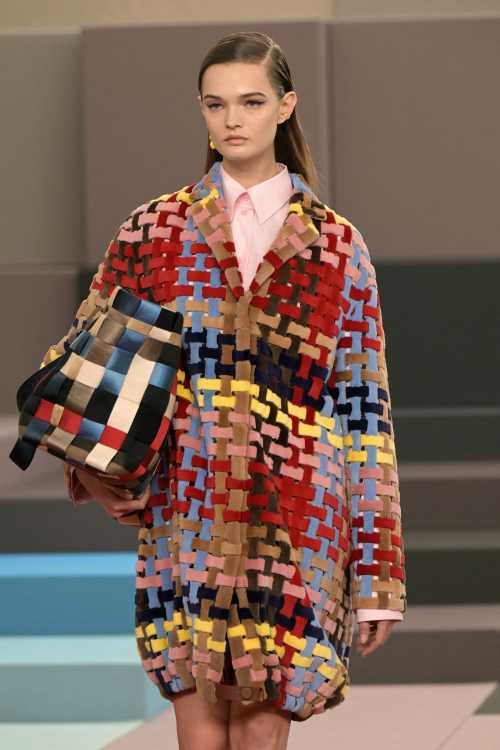
Fashion Week's Reckoning: How Milan's Record-Breaking Schedule Signals Industry Transformation Amid Economic Headwinds
Sep 22, 2026
The Runway Rewired: How Digital Passports and AI Are Restructuring the Global Fashion Calendar
Sep 21, 2026
Comments (0)
No comments yet. Be the first to share your thoughts!
Want to join the discussion?
Please log in to post a comment.
Login NoworCreate an Account