
The Architecture of Celebrity Style: How September 2026 Exposed the Structural Fractures in Fashion Economics

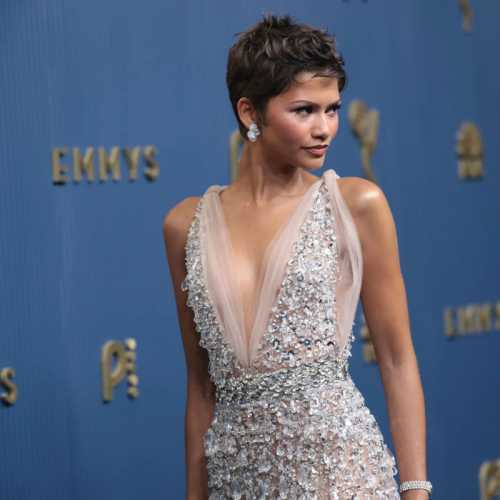
Managing a modern celebrity style portfolio is akin to trading high-frequency derivatives in a market where the underlying asset continuously mutates its fundamental nature: the surface metrics suggest robust activity, but the actual value is rapidly evaporating. In September 2026, the celebrity style ecosystem underwent a structural recalibration, marked by major houses like Givenchy and Calvin Klein pivoting to hyper-targeted global ambassadors, while New York Fashion Week street style decisively rejected "quiet luxury" in favor of expressive maximalism. Concurrently, the institutional power of celebrity stylists expanded, and sustainable fashion endorsements triggered unprecedented supply chain strains.
The Algorithmic Shift in Celebrity Endorsements
Mainstream coverage celebrates the appointment of figures like Tate McRae as Calvin Klein’s newest global brand ambassador as a standard marketing refresh [[1]]. However, the unseen implication is a fundamental pivot in how luxury houses evaluate talent. A new report from Launchmetrics reveals how "resonance — not reach — is now defining success" in brand ambassador marketing [[6]]. Brands are no longer paying premiums for mere follower counts; they are purchasing highly specific, algorithmically verified audience affinities. This shifts the power dynamic, forcing celebrities to operate less as traditional muses and more as niche media channels, commodifying their personal aesthetics into hyper-targeted demographic funnels.
Echoes of the 1990s Supermodel Monopoly
This current fragmentation mirrors the structural market shifts of the late 1990s, when the "supermodel" era collapsed under the weight of its own exclusivity. Just as brands like Revlon and Versace once relied on a monolithic handful of faces to dictate global trends, the modern fashion industry is realizing that centralized influence is vulnerable to rapid audience fatigue. The historical lesson is clear: when a distribution model becomes too top-heavy, the market corrects by fracturing. Today’s hyper-segmented ambassador strategy is not a sign of industry health, but a defensive maneuver against the democratization of taste, attempting to replicate the monopoly power of the 1990s through a distributed network of micro-influencers.
The Supply Chain Shock of "Green" Glamour
Simultaneously, the push for sustainable celebrity endorsements is exposing severe operational fragilities within legacy fashion houses. When a high-profile figure champions an eco-conscious label, the resulting demand often outpaces the brand's ethical manufacturing capacity. As industry analysis notes, "The celebrity impact on sustainable fashion often causes rapid spikes in consumer interest, requiring brands to scale their artisan fabric production" [[10]]. The unseen implication is that celebrity-driven sustainability is frequently a logistical paradox. The sudden influx of capital and attention forces brands to either compromise their ethical sourcing to meet demand or face stockouts that damage brand equity, revealing that "green" celebrity marketing is often a supply chain liability rather than a pure asset.
Counter-Argument: The Scalability Mirage of Sustainable Fashion
Critics who argue that celebrity-backed sustainable fashion inevitably leads to supply chain compromise overlook the catalytic effect of these partnerships. High-profile endorsements provide the exact capital injection and market visibility required for emerging eco-brands to invest in scalable, ethical manufacturing infrastructure. Without the rapid spikes in consumer interest driven by celebrity validation, many sustainable labels would remain niche operations, unable to achieve the economies of scale necessary to genuinely disrupt the broader, polluting fast-fashion industry.
The Gatekeeper Ascendancy: Stylists as Corporate Strategists
The institutionalization of the celebrity stylist has reached a new apex, transforming them from wardrobe consultants into primary corporate strategists. With figures like Law Roach returning to mainstream television platforms like 'Project Runway' Season 22, the stylist’s role is being formalized as an industry authority [[22]]. The unseen implication is the consolidation of creative control. Stylists now negotiate not just clothing loans, but long-term equity stakes, creative direction, and brand ambassadorships for their clients. This centralizes immense power in the hands of a few elite styling agencies, effectively creating a bottleneck where independent designers must navigate a closed guild to access top-tier celebrity placement.
Strategic Imperatives for Market Participants
For Emerging Designers: Bypass the traditional stylist gatekeepers by cultivating direct relationships with mid-tier "micro-celebrities" who offer higher engagement resonance. Focus on verifiable sustainability metrics to attract long-term ambassador partnerships rather than one-off red carpet loans.
For Local Retailers: Capitalize on the rejection of "quiet luxury" by curating inventory that reflects expressive, maximalist street style trends. As noted in recent fashion week analysis, "New York Fashion Week FW26 street style marks a clear departure from the dominance of quiet luxury. In its place, a more expressive..." aesthetic is emerging [[35]]. Stock bold prints and statement accessories to capture this shifting consumer demand.
For Citizens and Consumers: Audit the sustainability claims of celebrity-endorsed brands. Look for third-party certifications rather than relying on the halo effect of a famous face, as rapid scaling often compromises initial ethical promises.
For Investors: Avoid overexposure to legacy fashion houses relying solely on traditional, high-cost celebrity ambassadors. Allocate capital toward the "picks and shovels" of the style economy: sustainable textile innovators and stylist-owned management firms.
Counter-Argument: The Fleeting Nature of Maximalist Rebellion
Some market analysts argue that the current pivot toward expressive, maximalist street style is merely a cyclical, fleeting rebellion against the austerity of "quiet luxury," rather than a durable structural shift. They contend that consumers will inevitably revert to minimalist, investment-grade pieces once macroeconomic pressures intensify, making aggressive inventory shifts toward bold, trend-driven maximalism a high-risk strategy for retailers.
The Six-Month Horizon
By March 2027, the celebrity style landscape will reflect these September tremors. Expect at least two major luxury houses to publicly sever ties with traditional, high-cost global ambassadors in favor of performance-based, resonance-driven micro-partnerships. Concurrently, the stylist guild will face antitrust scrutiny as their monopoly over red carpet placements becomes increasingly opaque. Furthermore, we will see the first major supply chain scandal involving a celebrity-backed "sustainable" brand that failed to scale its artisan production, forcing a regulatory reckoning on green marketing claims. The era of the passive celebrity muse is over; the era of the hyper-optimized, strategically managed style asset has officially begun.
Related Articles

The Portfolio Rebalancing of the Front Row: How Celebrity Style Became a Highly Leveraged Asset Class
Sep 17, 2026
The Archival Economy: How Celebrity Style is Rewriting the Rules of Fashion Capital in 2026
Sep 16, 2026
Comments (0)
No comments yet. Be the first to share your thoughts!
Want to join the discussion?
Please log in to post a comment.
Login NoworCreate an Account