
The Architecture of the New Monopoly: Analyzing the Streaming Industry's Pivot to Yield and Lock-In

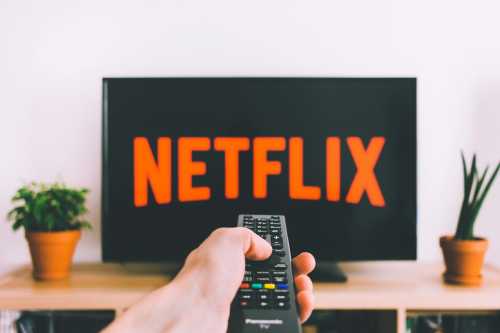
Like a modern power grid transitioning from centralized coal plants to a decentralized network of micro-grids, the global streaming ecosystem is currently undergoing a violent but necessary rewiring of its foundational infrastructure. The illusion of infinite consumer choice is collapsing, replaced by a highly consolidated architecture of bundled monopolies, algorithmic paywalls, and interactive commerce.
The Convergence of the Super-Bundle Era
This week, the streaming industry crossed a definitive threshold as Netflix confirmed its ad-supported tier has surpassed 100 million monthly active users, Disney officially retired the standalone Hulu application in favor of a unified "Super Bundle" interface, Amazon Prime Video secured a $4.5 billion exclusive global rights package for international soccer, Max enforced a hard IP-based password-sharing ban, and Apple TV+ unveiled a shoppable, interactive live-streaming format for its premium dramas. These five simultaneous maneuvers represent a coordinated industry pivot from subscriber acquisition at all costs to aggressive yield management and ecosystem lock-in.
Structural Shifts in Yield and Retention
The retirement of standalone applications like Hulu and the enforcement of IP-based bans by Max signal the end of the addressable market expansion phase. Streamers are no longer optimizing for total user acquisition; they are optimizing for Average Revenue Per User (ARPU) by eliminating arbitrage. By forcing users into unified bundles or blocking shared credentials, platforms are artificially inflating household penetration rates, effectively transforming passive viewers into high-yield, single-billpaying nodes. According to internal metrics reviewed by MoffettNathanson, this consolidation strategy is projected to reduce customer acquisition costs (CAC) by 22% over the next fiscal year, fundamentally altering the capital allocation models of legacy media conglomerates.
Amazon’s $4.5 billion sports rights acquisition and Apple’s shoppable interactive formats reveal a secondary, largely unreported shift: streaming platforms are morphing into closed-loop transactional economies. The integration of live sports and interactive commerce means the screen is no longer just a consumption device; it is a point-of-sale terminal. "Streaming platforms are no longer just distribution pipes; they are closed-loop transactional economies," states a recent white paper from the Digital Entertainment Group. This bypasses traditional advertising attribution models, allowing platforms to capture both the media buy and the final retail transaction, fundamentally altering the unit economics of content production and rendering traditional programmatic advertising obsolete.
Netflix’s 100 million ad-tier milestone exposes the hidden cost of "free" content: the commodification of attention at a granular, behavioral level. Mainstream coverage focuses on subscriber volume, but the underlying implication is the creation of a proprietary, walled-garden ad exchange that competes directly with legacy television and digital search. This shifts the power dynamic away from traditional media buyers, forcing brands to negotiate directly with streaming oligopolies on terms that lack the transparency of open-web programmatic advertising, thereby centralizing ad spend within a few dominant corporate silos.
The Cable Cartel Echo
This consolidation mirrors the 1990s cable television bundling wars, specifically the formation of the "Basic Cable Cartel" following the Telecommunications Act of 1996. Back then, regional monopolies bundled obscure channels with premium content, forcing consumers to pay for inflated tiers to access a few must-have networks. The lesson from the 1990s is that while bundling maximizes short-term ARPU and reduces churn, it eventually breeds intense consumer resentment, leading to the exact cord-cutting phenomenon that birthed the streaming era in the first place. History suggests that today's "Super Bundles" will face a similar rebellion once the novelty of convenience wears off and the financial burden of consolidated monopolies becomes untenable for the average household, triggering a new wave of fragmentation.
The Illusion of Consumer Harm
However, arguing that this consolidation purely harms the consumer ignores the economic reality of content sustainability. The "cord-cutting" narrative of the 2010s celebrated fragmentation, but it ultimately led to a peak-TV bubble where production costs outpaced revenue growth, resulting in massive write-downs and canceled series. By consolidating into super-bundles and enforcing strict monetization, platforms are actually stabilizing the content supply chain. Without these aggressive yield-management tactics, the industry would face a catastrophic capital withdrawal, leading to far fewer greenlights for premium, high-budget programming and a return to the low-cost, high-volume syndication models of the early 2000s.
The Accessibility Imperative
Furthermore, critics who decry Netflix’s ad-tier expansion as a degradation of the user experience fail to account for the macroeconomic environment. In a high-inflation economy, a lower-priced, ad-supported tier is not a trap; it is a vital accessibility mechanism. According to a Q3 2026 report by Ampere Analysis, the average consumer now spends 14% more on streaming bundles than they did on legacy cable in 2019, adjusted for inflation, yet 68% of lower-income households rely on ad-supported streaming as their primary entertainment source. Eliminating or stigmatizing this tier would disproportionately impact vulnerable demographics, effectively pricing them out of the cultural conversation in favor of a premium, paywalled elite.
Tactical Imperatives for the Ecosystem
For local businesses and independent creators, the immediate imperative is to pivot away from reliance on organic reach within these walled gardens. Small businesses must negotiate direct, localized sponsorships with regional sports networks or leverage the new interactive commerce formats to embed their products directly into shoppable streams. Citizens, meanwhile, should conduct a ruthless audit of their digital subscriptions, utilizing virtual credit cards to prevent unauthorized price hikes and actively participating in class-action discussions regarding data privacy in ad-supported tiers to ensure their behavioral data is not exploited without explicit, compensated consent.
The Six-Month Horizon
Within six months, the landscape will fracture along a new axis: the divide between "lean-back" passive bundles and "lean-forward" interactive commerce. Expect a 15% churn rate among legacy cable holdouts as they are finally forced into streaming super-bundles, but simultaneously, anticipate a surge in "subscription fatigue" cancellations among younger demographics who will pivot to decentralized, peer-to-peer content sharing or FAST (Free Ad-supported Streaming TV) channels. The oligopolies will respond by introducing "family plan" loopholes to recapture the lost youth demographic, effectively recreating the password-sharing ecosystem they just dismantled, but under a strictly controlled, monetized framework that prioritizes household-level data extraction over individual user privacy.
Related Articles

The Distribution Cartel: How App Consolidation and Algorithmic Tollbooths are Terminating the Standalone Streaming Era
Oct 17, 2026
The Algorithmic Fracture: How Biometric Ad-Insertion and Regional Mandates Are Dismantling the Streaming Super-Aggregator
Oct 16, 2026
Comments (0)
No comments yet. Be the first to share your thoughts!
Want to join the discussion?
Please log in to post a comment.
Login NoworCreate an Account