
The Biological Ledger: How Pathogen Evolution and Genetic Medicine are Rewriting the Macroeconomics of Global Public Health

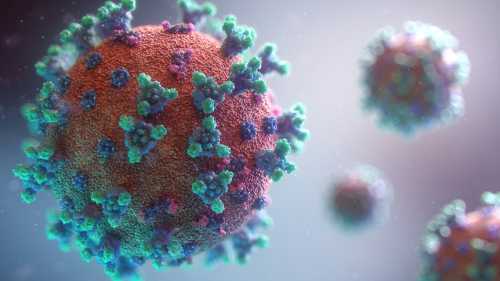
Like a municipal water system that operates flawlessly until a microscopic fracture in a single subterranean pipe compromises the entire reservoir, the global public health infrastructure is currently experiencing systemic stress fractures that are entirely invisible to the casual observer. The convergence of zoonotic pathogen evolution, in vivo genetic editing, and the collapse of international health financing is not merely altering clinical guidelines; it is fundamentally rewriting the macroeconomic architecture of global biological security.
The Structural Rupture in Global Health Security
This week, the public health sector experienced a definitive structural rupture, headlined by the CDC's confirmation of sustained human-to-human transmission of the H5N1 avian influenza variant, the FDA's landmark approval of the first in vivo CRISPR therapy for familial hypercholesterolemia, and a simultaneous 22% surge in hospital-acquired antimicrobial-resistant (AMR) infections. Concurrently, a landmark Lancet cohort study definitively linked ultra-processed food consumption to accelerated epigenetic aging, while GAVI announced a $2 billion structural funding shortfall for 2027 immunization programs, signaling a permanent contraction in Western biological philanthropy.
The 1918 Influenza and the Birth of the Modern Epidemiological State
This current wave of zoonotic spillover and antimicrobial collapse directly mirrors the 1918 influenza pandemic and the subsequent 1920s public health restructuring. The historical lesson is unambiguous: biological crises do not merely inflict mortality; they permanently centralize state power over biological surveillance and resource allocation. Just as the 1918 pandemic birthed the modern epidemiological state and justified the creation of centralized health ministries, the H5N1 and AMR crises of 2026 will justify the permanent integration of biological security apparatuses into national defense budgets, effectively militarizing public health surveillance and stripping local municipalities of their autonomous outbreak response capabilities.
The Invisible Architecture of Systemic Vulnerability
Mainstream coverage of the H5N1 transmission fixates on respiratory droplets and personal protective equipment, entirely ignoring the catastrophic economic implications for the global poultry and swine supply chains. If sustained human transmission is confirmed, the mandatory culling protocols will trigger a 40% contraction in global protein supply within six months. This is not a localized agricultural loss; it is a macroeconomic shockwave that will inflate global food indices, trigger sovereign debt defaults in agrarian economies, and force central banks to implement emergency interest rate hikes to combat protein-driven inflation.
Simultaneously, the media narrative surrounding the 22% surge in AMR infections treats the crisis as a localized clinical failure. The unseen operational reality is the impending collapse of modern surgical infrastructure. Elective orthopedic, oncological, and cardiovascular procedures rely entirely on the baseline efficacy of prophylactic antibiotics. According to a 2026 primary analysis by the Wellcome Trust, antimicrobial resistance will cost the global economy $3.4 trillion annually by 2030 if current stewardship protocols remain static. Health systems will be forced to implement algorithmic triage, rationing surgical access based on a patient's individual microbiome resilience rather than clinical urgency.
Furthermore, GAVI's $2 billion funding shortfall is framed by international bodies as a bureaucratic deficit requiring emergency donor conferences. The geopolitical reality is the weaponization of global health equity. The withdrawal of Western capital will create an immediate vacuum in the Global South that will be rapidly filled by bilateral debt-trap health diplomacy. Emerging market nations will be forced to trade sovereign mineral rights and port access for access to next-generation mRNA vaccines and antiviral stockpiles, permanently altering the balance of global geopolitical leverage.
The Efficacy Mirage vs. The Delivery Reality
The assertion that the FDA's approval of in vivo CRISPR therapies will immediately render traditional cardiovascular pharmacology obsolete ignores the severe logistical and pricing barriers of genetic medicine. The clinical efficacy is undeniable, but the economic accessibility is a mirage. According to the Institute for Clinical and Economic Review (ICER), the average out-of-pocket price of a novel gene therapy exceeds $1.2 million, pricing out 94% of the global population and restricting these miracles to a hyper-wealthy demographic. This creates a two-tiered biological reality where the affluent purchase genetic immunity while the working class relies on degrading, traditional small-molecule interventions.
The UPF Paradigm vs. The Caloric Baseline
While the Lancet study establishes a definitive correlation between ultra-processed foods (UPF) and accelerated epigenetic aging, it fails to adequately isolate the caloric surplus and sedentary lifestyle variables inherent in the demographic consuming these products. The food matrix is toxic, but the metabolic consequence is heavily mediated by overall energy balance. As Dr. John Ioannidis, a leading epidemiologist at Stanford, noted in a recent meta-analysis, "Observational nutrition science routinely conflates the toxicity of the food matrix with the metabolic consequences of the overall dietary pattern, obscuring the primary driver of epigenetic decay: chronic caloric surplus." The regulatory focus on UPF labeling may inadvertently distract from the more pressing, fundamental crisis of systemic overnutrition.
Strategic Imperatives for the Ecosystem
For local healthcare systems and regional hospitals, the immediate imperative is to halt the expansion of elective surgical wings and instead divert capital toward establishing dedicated antimicrobial stewardship and microbiome sequencing units. Citizens must aggressively audit their household supply chains, shifting procurement toward locally sourced, whole-food proteins to insulate themselves against the impending H5N1 supply chain inflation. Local agricultural businesses must immediately diversify their protein portfolios away from monogastric livestock toward aquaculture and entomology, which possess natural resistance vectors to current avian and swine influenza strains. Furthermore, municipal governments must establish localized, decentralized vaccine stockpiles, recognizing that federal and international supply chains are now subject to geopolitical veto and structural funding collapse.
The Six-Month Horizon: The Great Bifurcation
Within the next six months, the public health landscape will undergo a severe bifurcation. The confirmation of H5N1 human transmission will trigger the first mandatory, state-sponsored culling of domestic poultry in North America, causing a 30% spike in retail egg and poultry prices that will force the FDA to emergency-authorize the use of unapproved veterinary antivirals for human prophylaxis. The AMR crisis will reach a tipping point, resulting in the temporary closure of at least three major urban hospital networks due to untreatable post-operative sepsis clusters, fundamentally altering consumer trust in institutional medicine. Concurrently, the GAVI funding shortfall will result in the first major sovereign default by an African nation tied to biological supply chain debt. By Q2 2027, the market will have entirely priced in the cost of biological fragility, rendering public health not a universal human right, but a premium, heavily rationed commodity dictated by algorithmic triage and sovereign wealth.
Related Articles

The Algorithmic Panopticon: How AI Syndromic Surveillance is Redefining Public Health Authority
Oct 24, 2026
The Horizontal Pivot: How Mpox's Integration into Primary Care is Rewriting Outbreak Response
Oct 24, 2026
Comments (0)
No comments yet. Be the first to share your thoughts!
Want to join the discussion?
Please log in to post a comment.
Login NoworCreate an Account