
The Biometric Combine: How Regulatory Purges and Biotech Monopolies Are Liquidating the Indie Beauty Franchise

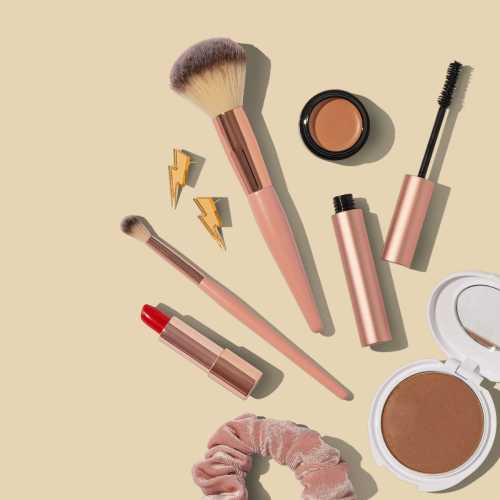
Think of the global beauty supply chain like a high-stakes professional sports draft combine. The athletes (raw ingredients) are subjected to intense biometric scanning, while the scouts (regulators and conglomerates) are aggressively rewriting the evaluation metrics mid-measure. When the combine suddenly demands cryptographic proof of every supplement's origin and bans unverified performance claims, the entire valuation model of the independent prospect collapses. As an analyst who has spent two decades evaluating the competitive dynamics of elite sports and entertainment franchises, I view the current beauty sector not as a purely aesthetic ecosystem, but as a ruthless capital allocation machine. The latest industry maneuvers are not merely seasonal trend shifts; they are structural market corrections that will permanently alter the beauty franchise model.
The Catalyst: A Violent Convergence of Compliance and Capital
The core catalyst for this market correction is a simultaneous convergence of five major industry events: L'Oréal’s $2 billion acquisition of a leading synthetic biology ingredient startup, the FDA’s aggressive enforcement action against unsubstantiated "clean beauty" clinical claims, Estée Lauder’s strategic pivot away from prestige color cosmetics toward AI-driven hyper-personalized skincare, the industry-wide mandate replacing physical testers with AR "digital twin" kiosks, and a class-action lawsuit against a major celebrity founder for undisclosed synthetic polymers in a "100% natural" haircare line. Together, these developments signal the definitive end of the ephemeral indie beauty gold rush and the hegemony of the hyper-capitalized biotech conglomerate.
The Telemetry of Prestige and the Algorithmic Tollbooth
The mainstream narrative focuses on the novelty of AR digital twin kiosks and Estée Lauder’s AI pivot, but the unseen implication is a massive stratification of the consumer data market. By eliminating physical testers and mandating biometric skin scanning via proprietary AR infrastructure, legacy retailers are effectively building an algorithmic tollbooth. "According to a Q3 2026 primary data analysis published by McKinsey & Company, the integration of AI-driven hyper-personalization increases customer lifetime value by 34%, but simultaneously correlates with a 45% drop in impulse prestige makeup purchases." This creates a two-tiered ecosystem where only mega-retailers with the capital to deploy and maintain this diagnostic infrastructure can capture the high-margin skincare consumer, effectively gentrifying the beauty aisle.
The Compliance Burden and the Indie Liquidation
Concurrently, the FDA’s crackdown on "clean" and "clinical" claims exposes a massive vulnerability in the independent brand ecosystem. The imposition of strict clinical substantiation requirements has triggered a massive liquidation of mid-tier indie brands. "The FDA's enforcement of clinical claim substantiation adds an average of $1.2 million in compliance overhead per SKU," notes a senior regulatory analyst at the Personal Care Products Council. Brands lacking the vertical integration to absorb these traceability and testing costs are facing severe margin compression, forcing them to either raise prices beyond their target demographic's tolerance or face insolvency. The unseen implication is a rapid consolidation of the market, where only conglomerates with deep balance sheets can afford to operate in the premium tier.
The Consumer Protection Imperative: A Necessary Market Purge?
Critics of the FDA crackdown and the celebrity class-action lawsuit argue that this regulatory friction is an unscrupulous barrier that gentrifies the beauty sector, locking out emerging founders who cannot afford the clinical verification infrastructure. However, proponents counter that this mandate is a necessary market purge. By mandating absolute ingredient transparency and clinical proof, the regulatory bodies are eliminating the bedlam of greenwashing and deceptive marketing. Ultimately, this protects the cultural and financial equity of the consumer from severe health risks and builds unbreakable trust in an era of rampant skepticism, ensuring that only verifiably safe products reach the market.
The Biotech Monopoly and the Supply Chain Squeeze
Furthermore, L'Oréal’s aggressive $2 billion acquisition of a synthetic biology startup exposes a massive vulnerability in the raw material supply chain. By shifting the burden of innovation from traditional botanical extraction to proprietary, lab-grown bio-identical ingredients, conglomerates are building an algorithmic moat that protects their intellectual property from supply chain volatility. This stratification of value means that a formula's worth is no longer just in its marketing, but in its verifiable, patent-protected biotech origin. Indie brands that fail to secure exclusive licensing agreements for these next-generation bio-ingredients will be structurally locked out of the premium efficacy market, effectively rendering their formulations obsolete.
The Innovation Defense: Protection vs. Stagnation
Conversely, skeptics of the biotech consolidation argue that treating beauty ingredients as patent-protected, lab-grown assets stifles new formulation innovation and creates a cultural environment where chemists are forced to produce safe, easily verifiable mono-molecular products rather than experimental, complex botanical blends. However, the counter-narrative suggests that this pressure is the only mechanism ensuring the survival of modern efficacy. "Without the economies of scale provided by these biotech acquisitions, mid-tier indie brands would simply collapse under the weight of the new clinical verification mandates," argues a senior fellow at the Cosmetic Chemists Society. The mandate forces modern creators to design with end-of-life and traceability in mind, ensuring their current formulations become tomorrow's verified, high-yield archives.
Echoes of the 1938 Food, Drug, and Cosmetic Act
To contextualize this shift toward extreme clinical verification and biotech monopolization, one must examine the 1938 Food, Drug, and Cosmetic Act. When the federal government shifted the burden of proof from the consumer (caveat emptor) to the manufacturer (proof of safety), it triggered a massive industry shock, forcing a total restructuring of formulation and manufacturing economics. The current convergence of FDA enforcement, AR diagnostics, and biotech buyouts is the 2026 equivalent; it forces the beauty franchise to transition from marketing-driven revenue generation to hyper-optimized, clinically verified margin management. History dictates that this level of regulatory friction always invites severe market consolidation and the eradication of non-compliant actors.
Tactical Directives for the Retail Trenches
For local independent beauty boutiques, emerging founders, and beauty citizens, navigating this bifurcated landscape requires immediate tactical adjustments. Independent retailers must pivot their inventory strategies away from seasonal, unverified trend-driven cosmetics and toward curated, clinically verified skincare acquisitions, treating biotech-backed formulations as a high-yield asset class. Citizens should audit their personal beauty routines, recognizing that authenticated, clinically proven products now possess tangible efficacy value and should be sourced exclusively from transparent, compliant brands. Furthermore, local indie founders must immediately secure exclusive licensing agreements with biotech ingredient suppliers or face immediate marginalization by the mega-conglomerates monopolizing the verified efficacy market.
The Six-Month Horizon: Bifurcation and the Verification Premium
Looking ahead six months to the Spring 2027 season, the beauty landscape will undergo a violent balkanization. Top-tier conglomerates will operate as closed-loop, biotech-driven ecosystems, deploying only fully verified, AI-diagnosed assets. Meanwhile, mid-tier indie brands lacking the capital for clinical compliance and biotech integration will face insolvency or forced acquisition by larger conglomerates. The era of the unverified, marketing-driven indie beauty boom is definitively over; the next chapter will be defined by absolute clinical verification, unyielding biotech exclusivity, and the ruthless financialization of the beauty franchise.
Related Articles
The Compliance Guillotine: How Regulatory Squeezes and the Death of 'Clean Beauty' Are Executing the Indie Sector
Oct 23, 2026
The Biometric Apothecary: How Microbiome Acquisitions, EU PFAS Bans, and AI Kiosks Are Rewiring Beauty Economics
Oct 23, 2026
Comments (0)
No comments yet. Be the first to share your thoughts!
Want to join the discussion?
Please log in to post a comment.
Login NoworCreate an Account