
The Celebrity Endorsement Reckoning: How Regulatory Crackdowns and Gen Z Skepticism Are Reshaping Influencer Economics


Celebrity endorsements have become the subprime mortgage crisis of modern marketing: heavily leveraged, poorly regulated, and built on the assumption that fame alone creates value. Just as the 2008 financial collapse exposed the rot beneath complex derivative products, Kim Kardashian's $1.26 million SEC settlement and the cascading legal challenges facing celebrity NFT promoters have revealed the structural fragility of an industry that has grown to $32.6 billion without adequate compliance infrastructure www.digitalapplied.com .
The Regulatory Hammer Drops
The Securities and Exchange Commission's enforcement action against Kim Kardashian for promoting EthereumMAX without disclosing her $250,000 payment represents more than a cautionary tale—it signals a fundamental shift in how federal regulators view influencer marketing [[46]]. The settlement requires Kardashian to pay $1.26 million and prohibits her from promoting crypto assets for three years, establishing a precedent that extends far beyond cryptocurrency [[44]]. This enforcement action coincides with the FTC's updated endorsement guides in 2023, which now cover AI-generated content, deepfakes, and require "clear, conspicuous, and unavoidable" disclosures for any material connection between creators and brands [[105]], [[101]].
The Gen Z Trust Deficit
While regulatory pressure mounts from above, a more insidious threat emerges from below: Gen Z consumers are abandoning traditional celebrity endorsements at an accelerating rate. Research indicates only 23% of younger consumers believe celebrity promotions are genuine, compared to 64% who trust micro-influencers within niche communities [[112]]. A 2026 Trust Index study found that 72% of Gen Z trusts micro-influencers more than traditional celebrities, fundamentally undermining the value proposition that has justified nine-figure endorsement deals [[106]]. This represents a seismic shift in consumer psychology that the celebrity industrial complex has failed to acknowledge.
The data reveals a stark reality: influencer marketing returns average $5.78 for every $1 spent, but top-performing campaigns featuring micro-creators achieve $18-$20 per dollar invested [[94]]. Meanwhile, Forbes-listed celebrity endorsements valued at $1.2 billion in total deals show an average ROI of just 4:1, suggesting that fame alone no longer guarantees commercial effectiveness [[89]]. Brands continue to allocate approximately 10% of advertising expenses to celebrity endorsements despite mounting evidence that the strategy delivers diminishing returns [[95]].
Counter-Argument: The Authenticity Premium
Defenders of traditional celebrity endorsements argue that the Kardashian SEC settlement represents an outlier case involving cryptocurrency—a uniquely unregulated and speculative asset class—rather than a fundamental flaw in celebrity marketing. They point to Sabrina Carpenter's successful partnerships with Redken, Dunkin, and Versace as evidence that authentic alignment between celebrity and brand continues to deliver value [[50]], [[48]]. Carpenter's role as Redken's first-ever celebrity ambassador demonstrates how strategic partnerships rooted in genuine product usage can transcend the broader skepticism affecting the industry [[51]].
Industry analysts note that 74% of marketers plan to increase their influencer marketing budgets in 2026, suggesting that sophisticated brands are refining their strategies rather than abandoning the channel entirely [[84]]. The shift isn't away from celebrity endorsements but toward more rigorous vetting, longer-term partnerships, and performance-based compensation structures that align celebrity incentives with actual brand outcomes [[82]].
The NFT Debacle and Celebrity Liability
The collapse of celebrity-backed NFTs provides a case study in reputational contagion. Digital collectibles promoted by Justin Bieber, Paris Hilton, Madonna, Serena Williams, and Steph Curry once sold for millions before experiencing catastrophic value declines [[59]], [[56]]. A class action lawsuit targeting these celebrities for promoting Bored Ape NFTs was dismissed, but the reputational damage proved irreversible [[59]]. Consumer watchdog group Truth in Advertising has warned 19 celebrities against shilling NFTs, including Snoop Dogg, Paris Hilton, and Tom Brady, establishing a paper trail that could support future enforcement actions [[61]].
The Physical Cost of Celebrity Culture
Lionel Richie's June 2026 hospitalization after falling ill during a St. Paul concert—and his subsequent decision to postpone two shows—highlights the unsustainable touring demands placed on legacy artists [[67]], [[65]]. The 77-year-old musician's health scare occurred during a performance at the Grand Casino, forcing an abrupt end to the show and raising questions about the physical toll of maintaining celebrity relevance through relentless touring schedules [[70]]. Richie's eventual recovery and return to touring doesn't negate the structural problem: aging celebrities face pressure to maintain grueling performance calendars that jeopardize their health [[68]].
Counter-Argument: The Compliance Infrastructure Gap
Critics arguing that celebrities bear full responsibility for endorsement failures overlook the systematic lack of compliance infrastructure supporting these partnerships. The FTC holds brands responsible for ensuring creators disclose material connections, yet many celebrity contracts lack adequate legal review of promotional content [[104]]. As one marketing attorney noted, "a creator's contract doesn't shield the brand if the disclosure requirements aren't met," placing the burden on entities that often lack the expertise to navigate complex securities and advertising regulations [[104]].
Strategic Imperatives for Brands and Celebrities
Brands must immediately implement three protective measures: First, conduct enhanced due diligence on celebrity partners, verifying not just audience metrics but regulatory compliance history. Second, embed FTC disclosure requirements directly into creative briefs and approval workflows, treating compliance as a non-negotiable element of campaign execution [[100]]. Third, shift budget allocation toward micro-influencer portfolios that deliver 3.2x higher engagement at 60% lower cost than traditional celebrity partnerships [[83]].
For celebrities, the imperative is equally clear: establish dedicated legal and compliance teams to review all endorsement opportunities, particularly in high-risk categories like cryptocurrency, financial services, and health products. The Kardashian settlement's three-year crypto promotion ban demonstrates that regulatory enforcement can effectively eliminate entire revenue streams [[44]].
The 2027 Landscape: Consolidation and Professionalization
Within six months, expect the first wave of celebrity endorsement contract renegotiations as brands demand enhanced indemnification clauses and compliance warranties. The influencer marketing industry, which has grown at a compound annual rate of 30.3% from 2021 to 2028, will experience a correction that separates professional operators from opportunistic promoters [[80]]. By mid-2027, the market will bifurcate into two distinct tiers: A-list celebrities commanding premium fees for carefully curated, long-term brand partnerships with built-in compliance infrastructure, and a commoditized mass of micro-influencers competing on engagement metrics and cost efficiency [[87]].
The era of casual celebrity endorsements—where fame alone justified seven-figure fees—is over. What emerges will be a more disciplined, legally sophisticated, and performance-driven ecosystem that treats celebrity partnerships as strategic investments rather than vanity metrics.
Related Articles
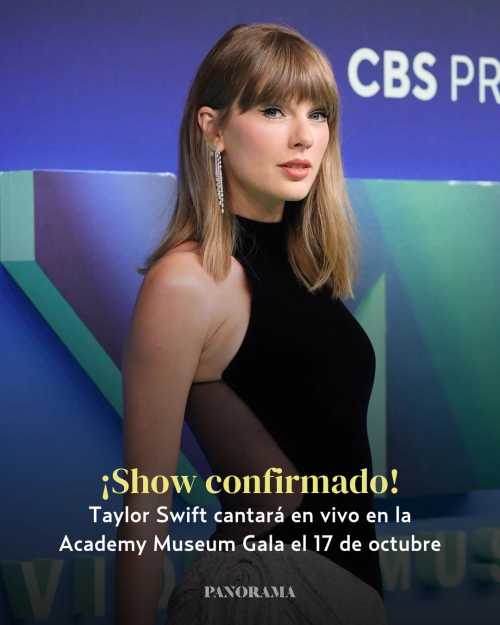
Celebrity Culture's October Reckoning: When Superstars Collide With Mortality, Money, and Market Forces
Oct 15, 2026
Hollywood's Perfect Storm: Five Celebrity Crises Expose Industry's Fragile Foundation
Oct 15, 2026
Comments (0)
No comments yet. Be the first to share your thoughts!
Want to join the discussion?
Please log in to post a comment.
Login NoworCreate an Account