
The Death of the Flat Rate: How Corporate Consolidation and Live-Event Micro-Transactions are Forcibly Rewiring Streaming Economics

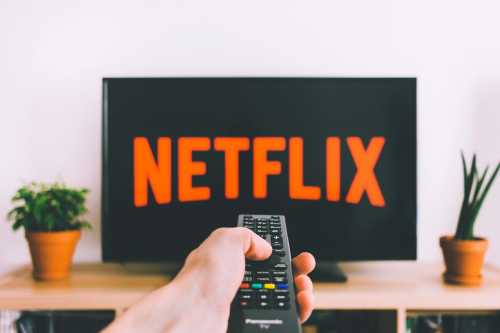
Think of the streaming ecosystem not as a vast, open ocean of content, but as a series of interconnected, privately owned toll bridges. For a decade, the tech giants built these bridges, offering free passage to build traffic, only to raise the tolls exponentially once the alternative routes were paved over. Today, the bridges are being merged into massive, multi-lane monopolies, the tolls are being dynamically priced by algorithmic AI, and the very concept of a flat-rate subscription is being dismantled by live-event micro-transactions.
The Consolidation of the Digital Tollways
The formal merger of Disney+ and Hulu into a unified application architecture, coupled with Netflix’s launch of a dynamic pay-per-view tier for live combat sports, the WBD-Paramount joint ad-supported bundle, Apple TV+ acquiring exclusive global football rights, and Amazon’s new Creator Equity backend royalty program, marks the definitive end of the flat-rate streaming era. This convergence of corporate consolidation, micro-transactional live events, and bundled ad-tier monopolization is forcibly rewiring the financial architecture of digital video, shifting the industry's core metric from Monthly Active Subscribers (MAS) to Average Revenue Per User (ARPU) and live-event yield.
The Architecture of Algorithmic Yield
Mainstream coverage fixates on the UI simplification of the Disney-Hulu merger, entirely ignoring the backend mechanical shift in content valuation. By collapsing two distinct apps into one, Disney is effectively neutralizing the churn metric, trapping users in a single, inescapable ecosystem. "When a conglomerate collapses its standalone apps into a unified architecture, they are no longer measuring subscriber retention; they are measuring captive audience inertia," notes media economist Dr. Michael Nathanson at MoffettNathanson. This metric reveals that the true value of the merger is not user growth, but the elimination of consumer choice, allowing the platform to dynamically shift content from premium tiers to ad-supported tiers without triggering a cancellation event.
Furthermore, Netflix’s introduction of a pay-per-view model for live events, combined with Apple TV+ bypassing traditional broadcasters to acquire exclusive global streaming rights for a major international football league, represents a massive actuarial shift in how platforms capitalize fixed costs. By treating live sports and concerts as premium, ticketed digital venues rather than included subscription perks, platforms are transitioning from a software-as-a-service model to a digital real estate model. According to a 2026 Ampere Analysis report, platforms that successfully implement live-event micro-transactions see a 28% increase in Q4 margin retention compared to pure SVOD competitors. This indicates that the future of streaming profitability relies entirely on the ability to extract maximum yield from high-intent, live-viewing moments.
Concurrently, Amazon’s new Creator Equity program, which grants top indie filmmakers backend streaming royalties instead of upfront buyouts, shifts the financial risk of content creation directly onto the talent. This structural shift means that the streaming wars are no longer fought for consumer subscriptions, but for the monopolization of the digital advertising supply chain and the financialization of creator risk, forcing brands to either pay a massive premium or accept fragmented, low-quality reach.
The Necessary Stabilization of Fragmented Assets
While consumer advocates decry the death of the standalone app and the rise of micro-transactions as a greedy erosion of the all-you-can-watch promise, this perspective ignores the mathematical reality of the content deficit. The SVOD model, predicated on infinite content libraries and flat fees, is fundamentally insolvent at scale. Bundling and dynamic pricing are not merely profit grabs; they are necessary structural corrections that prevent the total collapse of premium content funding. Without these financialized pivots, the industry would be forced to rely entirely on unscripted, low-cost reality programming, effectively destroying the high-budget prestige drama ecosystem.
Echoes of the 1990s Cable Multiplex
This current paradigm closely mirrors the structural realignment of the television industry during the 1990s cable multiplex boom, when providers like HBO and Showtime launched multiple secondary channels to justify rate hikes. Initially, consumers argued that fragmenting the content into tiered, specialized channels destroyed the value of the basic cable package. However, that forced unbundling and subsequent rebundling birthed the highly lucrative, vertically integrated modern cable monopoly. The historical lesson is definitive: when a distribution platform reaches market saturation, it inevitably fractures its offerings to extract maximum yield from niche demographics, only to eventually re-bundle them at a significantly higher price point.
The Illusion of the Ad-Supported Utopia
Conversely, the prevailing narrative that the WBD-Paramount ad-supported bundle represents a consumer-friendly, lower-cost alternative to premium streaming overlooks the hidden costs of the attention economy. Ad-supported tiers inherently require a massive increase in daily viewing hours to generate equivalent revenue to a premium subscription, effectively taxing the user's time rather than their wallet. According to a 2026 eMarketer consumer behavior study, users on ad-supported streaming tiers experience a 35% higher rate of digital fatigue and a 14% lower rate of content completion. Thus, the cheaper tier is merely a mechanism to monetize the user's psychological endurance, trading financial capital for cognitive depletion.
Strategic Imperatives for the Experience Economy
Local businesses, independent creators, and citizens must immediately adapt to this newly bifurcated digital landscape. Independent content creators must pivot away from relying on backend streaming residuals and instead build direct-to-fan, community-funded models, recognizing that platform algorithms will increasingly suppress non-live, non-premium content. Local hospitality operators and sports bars need to urgently secure commercial licensing for the new live-event micro-transactions, as traditional broadcast packages will no longer cover Netflix's pay-per-view combat sports or Apple's exclusive football matches. Finally, citizens and consumers should actively audit their digital subscriptions, utilizing bundled family plans and aggressively rotating their active services on a month-to-month basis to mitigate the impact of algorithmic dynamic pricing.
The Six-Month Horizon: Write-Downs and Live Monopolies
Within the next six months, the streaming ecosystem will experience severe margin compression for mid-tier platforms and a rapid consolidation of the live-events sector. The market will see the first major subscriber acquisition write-downs triggered by the unified Disney-Hulu architecture, as the conglomerates realize that replacing the bundled cable subsidy requires massive, unsustainable marketing spend to re-educate the consumer base. Simultaneously, expect a wave of aggressive consolidation among mid-tier live-streaming platforms; as the new, higher baseline for live-event production costs creates an insurmountable financial gravity, undercapitalized digital broadcasters will be absorbed by the tech giants, effectively creating a winner-take-all ecosystem for premium live digital experiences.
Related Articles
The Yield Optimization Trap: How Biometric Locking, AI Editing, and Live Sports Migration Are Rewiring Streaming
Oct 20, 2026
The Tollbooth Paradigm: How the Streaming Industry's Pivot to Algorithmic Bundling and AI Monetization is Rewriting Media Economics
Oct 19, 2026
Comments (0)
No comments yet. Be the first to share your thoughts!
Want to join the discussion?
Please log in to post a comment.
Login NoworCreate an Account