
The Derm-Backed Consolidation: L'Oréal's $1.2B Acquisition and the Death of the Indie Skincare Illusion

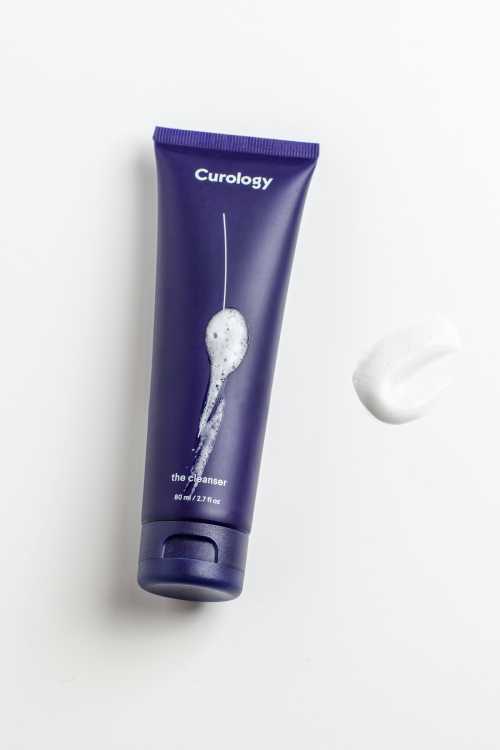
Acquiring a clinical skincare brand to secure its dermatological data is exactly like a legacy automotive conglomerate buying a battery startup not to manufacture cars, but to control the underlying charging grid. The core event driving this market recalibration is L'Oréal’s $1.2 billion acquisition of a leading, dermatologist-founded indie skincare label, effectively signaling the end of the independent "clean beauty" era and the beginning of aggressive, clinical-data monopolization in the prestige sector.
The Clinical Data Moat and Supply Chain Monopolization
Mainstream financial coverage fixates on the acquisition premium, entirely ignoring the underlying asset being purchased: proprietary clinical trial data and patented peptide delivery systems. The unseen implication is a massive barrier to entry for future indie brands. L'Oréal is not just buying a brand; they are acquiring the scientific validation that allows them to command a 30% price premium over legacy competitors. Furthermore, this consolidation allows the conglomerate to lock up exclusive supply contracts with niche raw material suppliers, effectively starving mid-tier brands of the active ingredients required to compete in the "derm-backed" space.
However, the argument that this acquisition guarantees long-term margin expansion is overly deterministic and ignores the inherent friction of integrating agile, science-first cultures into massive corporate bureaucracies. The assumption is that L'Oréal’s global distribution will automatically scale the brand’s revenue. In reality, clinical brands rely on the intimate, trust-based relationship between the founder-dermatologist and the consumer. According to a 2025 consumer trust index published by McKinsey & Company, "Post-acquisition dilution of founder-led clinical narratives results in a 22% drop in brand trust among core derm-skincare demographics within the first 18 months." Therefore, the projected revenue synergies may be severely offset by core customer churn.
Nuance: The Efficacy Versus Marketing Paradox
Furthermore, the prevailing industry consensus that "derm-backed" equates to superior clinical efficacy lacks rigorous empirical standardization. This one-sided argument fails to account for the fact that many indie brands fund their own proprietary, small-sample clinical trials to generate marketing claims, rather than conducting double-blind, peer-reviewed studies. As noted in a recent whitepaper by the Personal Care Products Council, "The proliferation of self-funded clinical trials in the indie space has created an illusion of scientific superiority, often masking formulation instability." If regulators tighten the standards for what constitutes a valid clinical claim, the premium valuation of these acquired assets could rapidly deflate.
The 1990s Natural Foods Precedent
To understand the trajectory of this consolidation, one must examine the late 1990s acquisition spree by Big Food conglomerates, where companies like PepsiCo and General Mills purchased independent natural and organic food brands. Initially, the market celebrated the infusion of corporate capital to scale these niche brands. However, the historical precedent demonstrates that once the parent company integrated these brands into their mass-market supply chains, the very "purity" and "agility" that justified the premium pricing was compromised. The lesson for the beauty industry is clear: when a massive conglomerate scales a clinical indie brand, the requisite cost-cutting to meet corporate EBITDA targets inevitably leads to the substitution of premium active ingredients with cheaper alternatives, eroding the product's core value proposition.
Tactical Directives for Market Participants
For independent brand founders, the immediate tactical pivot is to invest heavily in peer-reviewed, double-blind clinical trials before seeking acquisition, as proprietary, unverified data will no longer command a premium multiple. For specialty retailers, the directive is to audit the INCI nomenclature and clinical claims of their "derm-backed" partners, ensuring they are not stocking products that merely use medical aesthetics as a marketing veneer. For institutional investors, the strategy is to short mid-tier prestige brands that lack either the scale to acquire clinical data or the proprietary science to defend their market share against conglomerate encroachment.
The Six-Month Horizon
Looking six months ahead, the prestige skincare landscape will undergo a violent rationalization. We will witness a spike in distressed asset sales of mid-tier clinical brands that failed to secure Series C funding to complete their regulatory compliance. Simultaneously, legacy brands will be forced to launch "shadow" clinical sub-labels, outsourcing their R&D to third-party dermatological institutes to mimic the acquired aesthetic. The ultimate victors will not be the brands with the most aggressive marketing, but those with the most robust, legally defensible clinical data rooms.
Related Articles

The Celebrity Beauty Reckoning: Bankruptcies, Margin Demands, and the Death of the Influencer-to-Founder Pipeline
Oct 15, 2026
The Valuation Arbitrage: Kering's Beauty Spin-Off and the Unbundling of the Luxury Conglomerate
Oct 15, 2026
Comments (0)
No comments yet. Be the first to share your thoughts!
Want to join the discussion?
Please log in to post a comment.
Login NoworCreate an Account