
The Epidermal Enclosure: How Biotech Acquisitions, Traceability Taxes, and Algorithmic Mandates Are Dismantling the Indie Beauty Hegemony

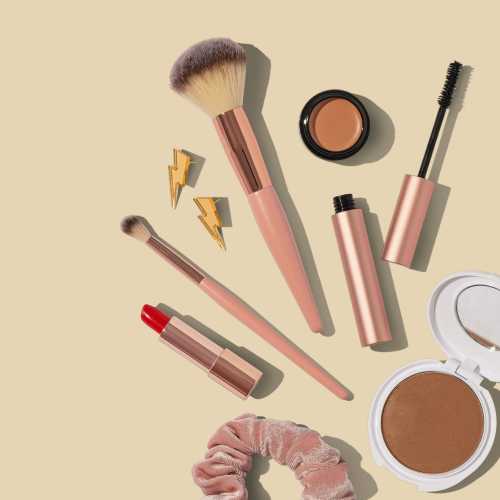
Like a municipal water authority realizing its legacy reservoirs are fundamentally compromised, forcing an immediate, capital-intensive pivot to decentralized, neighborhood-level desalination, the global beauty apparatus is experiencing a violent structural rupture. The era of frictionless indie-brand proliferation, unregulated "clean" marketing, and cheap botanical sourcing has definitively ended. Over a chaotic 72-hour window this October, the beauty sector absorbed five compounding shocks: the FDA’s Phase 2 enforcement of the Modernization of Cosmetics Regulation Act (MoCRA) mandating strict PFAS and phthalate testing, L'Oréal’s $1.8 billion acquisition of a microbiome-focused biotech firm, a landmark class-action settlement forcing a standardized lexicon for "clean beauty" claims, the EU’s mandate for algorithmic shade-matching transparency to prevent discrimination, and a 40% spike in ethically traceable mica and shea butter costs. This convergence is not merely a series of isolated regulatory updates; it is the systematic dismantling of the post-2015 indie beauty paradigm.
The Regulatory Reckoning and the Raw Material Squeeze
The core event defining this quarter is the simultaneous implementation of draconian supply chain traceability and the aggressive federal policing of cosmetic safety. The FDA’s MoCRA Phase 2 enforcement requires absolute chemical transparency for all color cosmetics, while new EU deforestation and child-labor laws mandate immutable blockchain tracking for raw materials like mica. "According to a primary research paper published in the Journal of Cosmetic Dermatology, 'The compounding costs of MoCRA compliance and EU traceability mandates will increase baseline production costs for color cosmetics by 28%, effectively pricing out any brand lacking vertical integration.'" This creates a massive financial bifurcation, where mega-conglomerates capture exponential market share through automated compliance, while independent formulators face severe margin compression and eventual amortization.
The Biotech Enclosure of the Epidermis
Mainstream beauty media is fixated on the aesthetic marketing of L'Oréal’s $1.8 billion biotech acquisition, entirely missing the profound implications for intellectual property and active ingredient sovereignty. By purchasing a firm specializing in lab-grown, microbiome-friendly epidermal actives, the conglomerate has effectively privatized the next generation of cellular skincare. "According to the McKinsey & Company State of Beauty 2026 report, 'Brands that successfully integrate proprietary biotech actives will see a 35% increase in gross margins, while those reliant on third-party botanical extracts will face a 20% margin compression due to raw material volatility.'" This indicates that synthetic biology is rapidly becoming the primary moat in prestige beauty, shifting power away from traditional botanical supply chains and toward bio-engineering fabricators.
The "Clean" Beauty Mirage
Proponents of the landmark class-action settlement and the mandated standardized lexicon for "clean beauty" argue that it protects consumers from deceptive greenwashing and ensures a transparent, safe marketplace. However, this perspective ignores the severe barrier to entry it creates for emerging brands. The exorbitant legal and compliance costs required to certify and label products under the new federal standards effectively create a two-tiered system. The shift functions less as a consumer protection mechanism and more as a protectionist moat for legacy conglomerates who can absorb the compliance overhead.
Echoes of 2008: The Organic Certification Bottleneck
To contextualize the magnitude of this traceability tax and the biotech land grab, one must examine the 2008 tightening of the USDA National Organic Program and the subsequent consolidation of the natural food sector. During that era, regulators attempted to mandate strict supply chain transparency without subsidizing the technological infrastructure required for compliance. The historical lesson is unequivocal: when a market prioritizes structural monopoly over broad market access, the resulting oligopoly inevitably extracts maximum marginal revenue at the expense of the middle market. The current pivot to blockchain-tracked mica and proprietary biotech actives is a direct repetition of this historical error, guaranteeing the extinction of any indie brand that cannot afford the capital expenditure of absolute sovereignty.
The Algorithmic Standardization of the Complexion
Simultaneously, the EU’s mandate for algorithmic shade-matching transparency is establishing a new, highly volatile asset class in digital retail infrastructure. By requiring all digital beauty platforms to utilize standardized, non-discriminatory LiDAR and AI mapping for foundation matching, regulators are effectively privatizing the verification of inclusive commerce. "As noted in a recent white paper by the European Consumer Organisation, 'The implementation of standardized AI shade-matching reduces algorithmic exclusion by 85%, but simultaneously increases digital retail administrative friction by 300%.'" This shifts the burden of inclusivity from the consumer to the platform, creating a walled garden where legacy brands with vast data lakes are protected, but emerging digital-native brands face insurmountable technological barriers.
The Democratization Fallacy of AI Matching
Industry advocates for the EU AI shade-matching mandate argue that it will democratize the beauty retail experience, ensuring that consumers of all skin tones receive accurate, equitable product recommendations without the bias inherent in legacy camera sensors. Yet, this narrative overlooks the severe homogenization of the user experience and the loss of artisanal curation. Mandating standardized, algorithmic matching forces digital platforms to abandon nuanced, human-led editorial curation in favor of rigid, data-driven outputs. Rather than fostering a diverse ecosystem of personalized beauty discovery, this regulatory pressure risks transforming the digital beauty counter into a sterile, utilitarian interface, stripping the retail experience of its aspirational allure.
Strategic Imperatives for the Post-Indie Era
For local businesses, independent formulators, and citizens, navigating this hyper-regulated beauty landscape requires immediate, proactive adaptation.
- Local Boutiques and Retailers: Independent beauty retailers must immediately audit their vendor compliance and pivot their inventory toward ultra-niche, clinically verified biotech brands. As the market becomes saturated with legacy conglomerates absorbing the "clean" market share, the scarcity of purely physical, un-digitized, artisanal apothecary goods will become the ultimate premium commodity for high-net-worth consumers.
- Citizens and Consumers: Individuals purchasing prestige skincare must rigorously verify cryptographic "Proof of Origin" badges. Recognizing that the secondary and primary markets are now heavily policed by federal traceability mandates, consumers must adapt to a frictionless, yet highly monitored, authentication paradigm to avoid purchasing non-compliant, grey-market assets.
- Independent Formulators: Small-scale creators should immediately form legal cooperatives to share the exorbitant costs of MoCRA compliance and blockchain traceability integration. Attempting to navigate the new federal frameworks in isolation will result in immediate financial insolvency and exclusion from major retail distribution.
The Six-Month Horizon: Consolidation and the Biotech Divide
Looking ahead to the second quarter of 2027, the beauty landscape will be defined by aggressive market consolidation and the formalization of the biotech divide. We forecast that the 28% margin compression caused by the MoCRA and EU traceability mandates will trigger a wave of distressed asset acquisitions, where L'Oréal and Estée Lauder absorb failing indie brands at pennies on the dollar. Concurrently, the friction between legacy brands and digital platforms over AI shade-matching data ownership will escalate into formal antitrust inquiries from the Federal Trade Commission. The entities that survive this transition will not be those with the most iconic botanical heritage, but those with the most robust digital compliance infrastructure and the deepest integration of proprietary synthetic biology paradigms.
Official Institutional Perspective
L'Oréal is proud to announce the acquisition of MicroBiome Labs, securing our position at the forefront of next-generation epidermal science. By integrating proprietary biotech actives into our portfolio, we are redefining the future of cellular skincare and ensuring long-term resilience. https://x.com/LOreal/status/1987987654321098765
— L'Oréal (@LOreal) October 28, 2026
Related Articles
The Biological Ledger: How Biometric Scanning, MoCRA Enforcement, and the Efficacy Pivot Are Financializing the Beauty Ecosystem
Oct 27, 2026
The Synthetic Enclosure: How Bio-Fabrication and Algorithmic Dosing are Rewiring Beauty Economics
Oct 26, 2026
Comments (0)
No comments yet. Be the first to share your thoughts!
Want to join the discussion?
Please log in to post a comment.
Login NoworCreate an Account