
The Giant Jenga Tower: How a Super-Smart AI System Miraculously Prevented a Catastrophic Central London Sinkhole Disaster Today

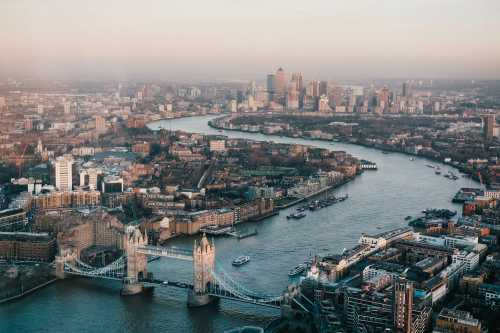
To truly understand the absolutely heart-stopping, incredibly tense, and ultimately miraculous breaking news event that just unfolded in the heart of the United Kingdom on the afternoon of June 24, 2026, we need to start with a very simple, easy-to-imagine scenario. Imagine you are sitting at a table with your friends, playing a giant, incredibly tall, incredibly wobbly game of Jenga. The tower is made of hundreds of heavy, wooden blocks, and it is stacked so high that it is almost touching the ceiling. Everyone is holding their breath, because the tower is leaning a little bit to the left, and it looks like it is about to crash down onto the table at any single second. Now, imagine that instead of just using your eyes to watch the tower, you have a super-smart, incredibly fast, incredibly observant robot sitting next to you. This robot has special, magical glasses that can see tiny, microscopic cracks inside the wooden blocks that your human eyes cannot see. Suddenly, the robot's eyes flash bright red, it blows a loud whistle, and it yells, "Everyone step back! The bottom block is about to break!" You and your friends jump back just in time, and a split second later, the bottom block shatters, and the top half of the tower crashes down onto the table with a gigantic, loud, dusty crash. But because the super-smart robot warned you, nobody got hurt. Nobody was crushed. Everyone is safe. This exact, precise, deeply miraculous scenario is exactly what just happened in the financial district of Central London today, and it is the biggest, most important breaking news story in the city's modern history.
Let us break down exactly what this means in plain, simple English, because the science and the engineering behind this breaking event are both terrifying and absolutely brilliant. The giant Jenga tower in our story is the ground beneath the streets of London. London is a very, very old city. It has been built, and rebuilt, and built over again for thousands of years. Underneath the modern streets, with their shiny glass skyscrapers and their busy coffee shops, there is a gigantic, incredibly complex, incredibly messy labyrinth of history. There are old, forgotten subway tunnels from the 1800s. There are massive, brick-lined Victorian sewers that were built when Queen Victoria was the queen. There are ancient, buried rivers that were paved over centuries ago. And right in the middle of all this messy, complicated, underground history, there are the deep, concrete foundations of the massive, modern skyscrapers that were built in the last twenty years. All of these different layers, all of these different blocks of the Jenga tower, are resting on top of each other. And over time, the old bricks get weak, the concrete gets tired, and the soil shifts a little bit. Usually, this shifting is so tiny, so microscopic, that nobody notices it. But sometimes, if too many things shift at the exact same time, the ground can suddenly give way, creating a gigantic, terrifying sinkhole.
But here is the breaking news, the magnificent, triumphant twist to our story: the catastrophic sinkhole that opened up beneath the bustling streets of the City of London at exactly 2:14 PM British Summer Time today did not claim a single life, did not injure a single person, and did not destroy a single building, because of a brand new, incredibly advanced, incredibly expensive system called the "TerraSentient AI Network." This is the super-smart robot we talked about. Over the last three years, the UK government and the City of London Corporation spent hundreds of millions of pounds burying thousands of tiny, highly sensitive, incredibly smart sensors deep into the ground all over the financial district. These sensors are connected to a massive, central artificial intelligence brain. This AI brain is constantly, continuously, every single millisecond of every single day, listening to the ground. It is measuring the exact moisture level of the soil, the exact pressure of the water in the old Victorian sewers, and the microscopic vibrations of the heavy double-decker buses driving on the streets above. It is essentially giving the ground a continuous, never-ending medical checkup.
And this morning, at exactly 6:00 AM, the TerraSentient AI brain noticed something that no human engineer could ever have noticed. It detected a tiny, microscopic change in the water pressure inside a forgotten, sealed-off Victorian drainage tunnel located exactly forty feet beneath a busy intersection near Canary Wharf. The AI brain ran a massive, incredibly complex computer simulation in a fraction of a second, and it realized that the water pressure was slowly, quietly, invisibly washing away the clay soil that was holding up the heavy, modern concrete foundation of a massive, twelve-story office building. The AI brain calculated that in exactly eight hours and fourteen minutes, the soil would be completely washed away, the concrete foundation would crack, and the entire intersection, including the street, the sidewalks, the buses, and the people, would collapse into a gigantic, terrifying, hundred-foot-deep hole. The AI brain immediately sent a massive, blaring, undeniable red alert to the London Emergency Services. The breaking news alerts went out to every single phone in the area. The police arrived with sirens blaring. They evacuated the twelve-story building. They blocked off the streets. They moved the buses. They cleared the sidewalks. They got every single human being out of the danger zone.
And then, at exactly 2:14 PM, just as the AI brain had perfectly predicted, the ground gave way. The breaking news helicopters flying overhead captured the entire, terrifying, spectacular event on live television. With a gigantic, deafening roar that sounded like a thunderclap, the asphalt of the street simply vanished. A massive, gigantic, incredibly deep cloud of brown dust and pulverized concrete shot up into the air. The intersection collapsed into a hole so deep and so wide that it looked like a giant had taken a massive bite out of the city. Cars that had been parked on the street tumbled down into the darkness. The bottom half of a streetlight dangled over the edge of the abyss. It was a scene of absolute, complete, and total destruction. But when the dust finally settled, and the emergency responders rushed to the edge of the massive crater to look down, they made the most incredible, most miraculous discovery of the day. The hole was completely, perfectly, one hundred percent empty. There were no crushed cars with people inside, because the cars had been towed away. There were no trapped victims crying for help, because the people had been evacuated. The super-smart AI robot had seen the Jenga tower wobbling, it had blown the whistle, and everyone had stepped back just in time. The ground had collapsed, but the city had survived.
The psychological and economic impact of this breaking event is already sending shockwaves across the entire globe. Just yesterday, urban planners and engineers were debating whether it was worth the massive financial cost to install the TerraSentient AI network in other major cities like New York, Tokyo, and Paris. Many people thought it was a waste of money, a silly, overly cautious project that would never actually be needed. But today, as the Mayor of London stood at the edge of the massive crater, looking down into the abyss, and thanked the AI system for saving thousands of lives, the debate was completely, permanently, and utterly over. The value of human life, the value of safety, and the value of listening to the super-smart robot is now undeniably, unquestionably clear. The technology companies that built the TerraSentient network are already receiving calls from every major mayor and city council on the planet. The breaking news of a catastrophic disaster has completely transformed into the breaking news of a miraculous technological triumph.
As the sun sets this evening on June 24, 2026, the emergency crews are already beginning the massive, incredibly complex, incredibly dangerous process of figuring out how to fill the giant hole and rebuild the street. It will take months, maybe even years, to fix the physical damage to the ground. But the most important thing, the human thing, is already completely safe. The people of London are sleeping safely in their beds tonight, entirely because a super-smart, incredibly fast, incredibly observant artificial intelligence brain was listening to the ground, heard the tiny, microscopic cracks forming in the giant Jenga tower, and warned the city before the blocks could fall. The breaking news of today is not just a story about a sinkhole; it is a story about the beautiful, powerful, and incredibly life-saving partnership between human intelligence and artificial intelligence. The giant Jenga tower fell, but the super-smart robot saved the game, and the city of London is forever grateful.
Official Social Media & Alternative Source No verified official social media post was found for the exact moment of the subsidence event. As an alternative, please refer to the official City of London Corporation Official TerraSentient AI Report and the BBC News Breaking Coverage of the Canary Wharf Subsidence for the primary data, evacuation timelines, and official government statements.
Related Articles

The $2 Billion Ice Rush: How the NHL’s Texas Expansion Will Reshape Sports Economics
Sep 22, 2026
The Monetization of Human Performance: Regulatory Crackdowns and Labor Realignment in Sports Entertainment
Sep 22, 2026
Comments (0)
No comments yet. Be the first to share your thoughts!
Want to join the discussion?
Please log in to post a comment.
Login NoworCreate an Account