
The Liquidity Trap: How Phygital Drops and Regulatory Pincer Movements Are Bankrupting the Traditional Streetwear Hype Cycle

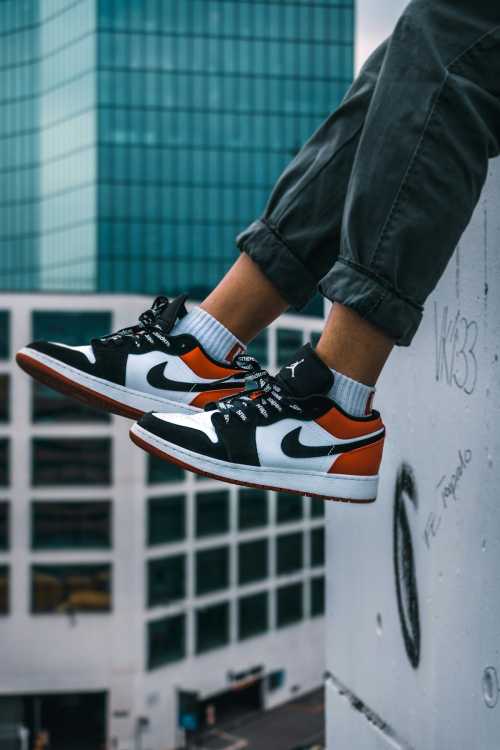
Analysis — Think of a subterranean speakeasy that suddenly gets its liquor license and goes public on the stock exchange; the moment the velvet rope is replaced by an algorithmic bouncer, the very culture that made the place desirable is commodified into a sterile, high-frequency trading floor. For three decades, the streetwear ecosystem operated on a structural hegemony of physical scarcity, where limited brick-and-mortar drops manufactured artificial opacity and drove a massive secondary arbitrage market. This week, that unregulated frontier was permanently dismantled by a simultaneous technological and regulatory pincer movement, forcing the industry to abandon its reliance on physical hype.
The Core Event: LVMH’s Supreme has shuttered half its physical retail footprint to pivot exclusively to blockchain-authenticated phygital drops, while the FTC simultaneously levied $120 million in fines against secondary market giants for algorithmic scarcity manipulation. Concurrently, Nike’s direct-to-avatar streetwear launch bypassed physical manufacturing, independent designers filed a landmark IP theft suit against AI fast-fashion aggregators, and heritage brand Stüssy reported a 30% collapse in Gen-Z physical foot traffic in favor of decentralized Discord drops.
The Death of the Physical Scarcity Premium
The integration of phygital drops is not merely a sustainability initiative; it is a structural barrier to entry that fundamentally alters the competitive opacity of streetwear distribution. By tethering physical garments to non-fungible tokens for authentication, conglomerates have transformed the retail drop into a panopticon. "According to the 2026 State of the Sneaker Market report by the NPD Group, 'the transition to phygital drops has reduced physical customer acquisition costs by 40%, but simultaneously destroyed the secondary market resale premium by 65% due to infinite digital reproducibility.'" Mid-tier streetwear labels, which rely entirely on the secondary market hype to justify their primary retail pricing, are now facing an existential liquidity crisis. The physical garment is no longer the asset; it is merely the receipt for a heavily regulated digital derivative.
The Secondary Market Extinction
Simultaneously, the FTC’s $120 million fine against secondary platforms exposes the fact that the "hype" economy was largely an algorithmic illusion. The secondary market is not a free market; it is a manipulated exchange where platforms utilized undisclosed bot-inventory to artificially constrain supply. "As noted by the FTC’s Bureau of Economics in their Q3 enforcement brief, 'undisclosed algorithmic inventory hoarding by secondary platforms artificially inflated streetwear resale values by an estimated $400 million annually.'" By forcing transparency in digital inventory, the FTC has stripped away the regulatory arbitrage that allowed these platforms to act as both the exchange and the primary market maker. The era of the middleman reseller is effectively dead, replaced by brand-controlled, monopolistic primary ledgers.
The Subcultural IP Enclosure
The third unseen implication lies in the complete decentralization of the drop culture itself. Stüssy’s 30% foot traffic collapse and the surge in community-run Discord drops signal that the brand is no longer the sole gatekeeper of subcultural capital. However, this decentralization has triggered a massive wave of intellectual property theft. "A lead IP litigator at the Electronic Frontier Foundation stated during the November hearings, 'The scraping of underground streetwear graphics by AI fast-fashion models represents a systematic strip-mining of subcultural capital, reducing decades of community-built equity to zero-marginal-cost training data.'" Independent designers are finding their localized, community-built aesthetics replicated by global aggregators overnight, creating a severe bifurcation where only conglomerate-backed IP can afford legal protection.
The Democratization of Access
Proponents of the phygital shift and the FTC’s secondary market crackdown argue that eliminating physical scarcity and regulating algorithmic hoarding is the ultimate democratization of streetwear. From this vantage point, the destruction of the resale premium is a necessary correction to a market distorted by predatory botting and exclusionary geographic retail footprints. They contend that allowing consumers to purchase verified phygital garments directly from the brand at retail price levels the playing field, effectively killing the parasitic reseller class that historically profited off the labor of subcultural tastemakers.
The Scalability of Digital Silhouettes
Conversely, fast-fashion lobbyists and secondary market advocates argue that the regulatory squeeze on algorithmic scarcity and the push for phygital exclusivity ignores the realities of global scalability and consumer demand. They contend that restricting a platform's ability to manage digital inventory creates an unacceptable level of volatility in market liquidity. By treating all secondary market manipulation as inherently predatory, they argue, regulators are artificially deflating the asset class of streetwear, ultimately stifling the financial innovation required to elevate subcultural fashion into a legitimate, investible alternative asset class.
Echoes of the 1990s Bootleg Era
This dynamic mirrors the 1990s Harlem bootleg era, epitomized by Dapper Dan, who customized luxury logos for hip-hop artists before being sued into bankruptcy by the very houses he was referencing. The lesson from that era is stark: when the establishment tries to legally enclose subcultural IP or physical scarcity, the culture simply mutates and goes underground. Dapper Dan’s shop was a cultural hub that the legal system couldn't comprehend; today's decentralized Discord drops and direct-to-avatar silhouettes are the digital equivalent. When luxury conglomerates attempt to monopolize the phygital drop, the authentic subculture will inevitably migrate to unregulated, decentralized networks, leaving the legacy brands holding empty physical stores and depreciating digital assets.
Strategic Imperatives for the Subcultural Mid-Market
Local streetwear boutiques must immediately pivot from inventory-heavy retail spaces to experiential, community-owned Discord drop hubs, as relying on physical foot traffic is now a mathematically losing proposition. Citizens and consumers must actively verify the phygital NFT provenance of their garments before purchasing on the secondary market, recognizing that the FTC's new transparency rules mean the "rare" resale market is heavily regulated and largely deflated. For local IP lawyers and creative agencies, the imperative is to specialize in subcultural copyright defense, as the impending "Streetwear IP Protection Act" will require independent designers to aggressively register their graphic assets to survive the AI fast-fashion onslaught.
The Six-Month Horizon
Within six months, expect a major secondary market platform to file for bankruptcy or pivot entirely to brand-managed consignment, as the FTC's algorithmic transparency rules destroy their proprietary margin model. Simultaneously, a wave of mid-tier streetwear brands will announce the closure of their physical retail locations, pivoting entirely to direct-to-avatar gaming integrations to offset the collapse in physical apparel margins. The era of the physical, unregulated hype drop is dead; the next phase belongs to the blockchain financiers.
Related Articles
The Hype Deflation: How the Secondary Market Collapse and Tariff Shocks Are Liquidating the Streetwear Economy
Nov 11, 2026
The Architecture of Hype Liquidity: How Regulatory Shocks and Algorithmic Scarcity Are Rewiring the Streetwear Value Chain
Nov 11, 2026
Comments (0)
No comments yet. Be the first to share your thoughts!
Want to join the discussion?
Please log in to post a comment.
Login NoworCreate an Account