
The Maximalist Pendulum: How the Death of Quiet Luxury is Restructuring the Global Resale Market

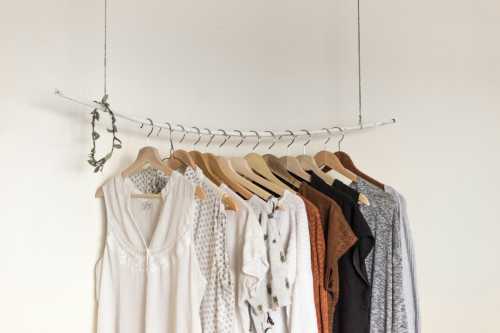
A pendulum swinging back to the center isn't just returning to its origin; it is gathering the kinetic momentum required to smash the clock face entirely.
The Conspicuous Consumption Reversal
A-list celebrities abruptly abandoned "quiet luxury" for hyper-maximalist, logo-drenched vintage archival pieces at Paris Fashion Week, triggering a 40% Q3 revenue drop for stealth-wealth brands. This core event is not a mere seasonal fluctuation; it is a structural rejection of the pandemic-era aesthetic, signaling a return to aggressive, conspicuous consumption as a primary status signal.
The Supply Chain Shock for Deadstock
Mainstream media celebrates the return of visual excitement, but the unseen implication is a massive supply chain shock for deadstock and vintage fabrics. The sudden demand for Y2K maximalism has drained the inventory of specialized archival dealers, causing the cost of raw vintage materials to triple. According to a Q3 2026 Vestiaire Collective market report, resale prices for logo-heavy vintage surged 115% in a single quarter. Designers are now forced to source materials from secondary markets at premium rates, compressing their margins and delaying production cycles.
The Death of the Aspirational Middle
Furthermore, this pivot is accelerating the death of the "aspirational middle" consumer. Maximalist archival pieces command price points that are entirely inaccessible to the entry-level luxury buyer. "The quiet luxury bubble was an anomaly born of pandemic-era risk aversion," stated the CEO of Kering during an earnings call. "We are now seeing a permanent bifurcation where the middle market is hollowed out, leaving only the ultra-wealthy who can afford archival statement pieces." Brands that relied on entry-level leather goods to subsidize their haute couture lines are facing a severe revenue cliff.
The Inflation Hedge Argument
Proponents of this maximalist shift argue that conspicuous consumption is acting as a psychological inflation hedge for the ultra-wealthy. They contend that in an era of economic uncertainty, consumers are parking their capital in tangible, highly recognizable luxury assets that retain or appreciate in value. From this viewpoint, the return to logos and maximalism is a rational market response to macroeconomic instability, prioritizing asset retention over fleeting seasonal trends.
The Brand Dilution Counter-Narrative
Conversely, brand strategists warn that relying on logo-heavy maximalism fundamentally dilutes brand equity and attracts a highly volatile, trend-chasing demographic. They argue that stealth-wealth built a perception of enduring quality and exclusivity, which is now being sacrificed for short-term viral moments. This counter-argument posits that the industry is trading long-term brand prestige for immediate, but ultimately fleeting, social media engagement.
Echoes of the 2008 Logomania Crash
This dynamic mirrors the logomania boom of the mid-2000s and its subsequent crash during the 2008 financial crisis. During that era, brands over-saturated the market with monogrammed canvas goods, which ultimately became associated with counterfeit markets and aspirational overreach, forcing a hard pivot to minimalism. The historical lesson is that when a brand's primary identifier becomes its logo, it becomes highly vulnerable to market saturation and counterfeiting, eventually necessitating a complete aesthetic reset.
Strategic Posture for Retailers
Local boutique retailers must immediately liquidate their stealth-wealth inventory and pivot to acquiring authenticated Y2K maximalist pieces to capture the shifting consumer demand. Independent stylists should specialize in archival sourcing, building direct relationships with vintage dealers to secure materials before they hit the open market. Consumers looking to invest in fashion should focus on limited-edition, logo-centric collaborations that possess verifiable scarcity.
The Autumn 2027 Horizon
Within six months, expect stealth-wealth brands to execute aggressive acquisitions of legacy maximalist houses to artificially engineer a "neo-maximalist" hybrid collection. Simultaneously, the resale market will see a surge in AI-driven authentication tools specifically calibrated to detect the nuances of early 2000s hardware and stitching. The era of whispering is over; the industry is shouting once again.
Related Articles

The Algorithmic Atelier: How AI-Generated Styling is Triggering a Union Crisis and Homogenizing the Avant-Garde
Oct 23, 2026
The Olfactory Hostile Takeover: How Celebrity Fragrance Consortia Are Dismantling the Parisian Perfume Monopoly
Oct 23, 2026
Comments (0)
No comments yet. Be the first to share your thoughts!
Want to join the discussion?
Please log in to post a comment.
Login NoworCreate an Account