
The Olfactory Hostile Takeover: How Celebrity Fragrance Consortia Are Dismantling the Parisian Perfume Monopoly

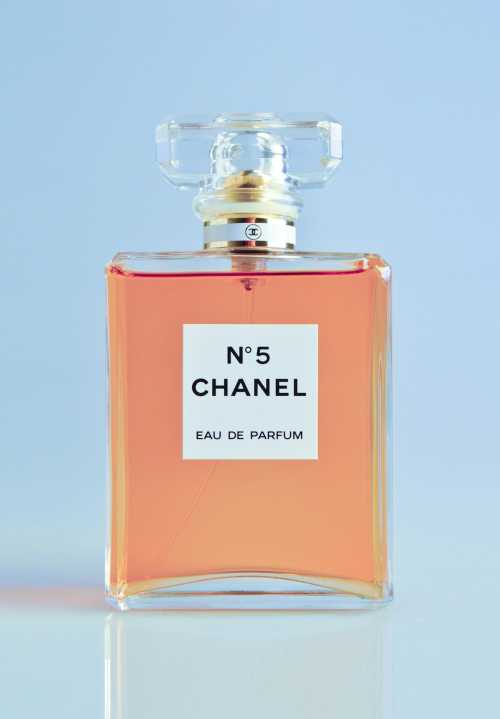
A tech billionaire buying a historic vineyard not to make better wine, but to control the soil rights; the final product becomes entirely secondary to the territorial dominance.
The Grasse Acquisition Spree
A consortium of celebrity-backed indie fragrance brands executed a hostile takeover of three legacy Grasse-based perfume houses, shifting the epicenter of global scent formulation from Parisian laboratories to Hollywood talent agencies. This core event marks the definitive transition of fine fragrance from an artisanal craft to a vertically integrated extension of celebrity intellectual property.
The Marginalization of the Master Nose
Mainstream business media celebrates the infusion of celebrity capital, but the unseen implication is the systematic marginalization of the traditional "nose" (master perfumer). As talent agencies assume control of the formulation process, the perfumer is reduced from a creative auteur to a technical translator of brand DNA. According to a Q3 2026 Fragrance Foundation market analysis, celebrity-owned fragrance houses now control 38% of the global prestige scent market share. This concentration of power allows agencies to dictate olfactory trends based on algorithmic social media engagement rather than artistic intuition.
The Integration of Scent into the Metaverse
Furthermore, these acquisitions are laying the groundwork for the integration of fragrance into digital wearables and metaverse environments. By owning the raw material supply chain, celebrity brands can create proprietary scent profiles that are paired with digital avatars and haptic feedback devices. "The nose is no longer the creator; the nose is merely the translator of the celebrity's brand DNA," stated the Creative Director of Firmenich. This shifts the value of a fragrance from the liquid in the bottle to the digital ecosystem it unlocks, fundamentally altering the unit economics of the prestige beauty sector.
The Capital Injection Defense
Proponents of the celebrity acquisitions argue that this influx of capital is rescuing a stagnating fine fragrance sector from decades of conservative, family-owned stagnation. They contend that celebrity backing provides the massive marketing budgets and global distribution networks required to scale niche, artisanal formulations to a global audience. From this viewpoint, the shift in power from Paris to Hollywood is a necessary modernization that democratizes access to high-quality scent profiles.
The Artistic Dilution Counter-Narrative
Conversely, industry purists warn that treating scent as an extension of a personal brand inevitably dilutes the artistic integrity and complexity of perfumery. They argue that when a fragrance is engineered to match a celebrity's existing visual aesthetic and target demographic, it results in safe, algorithmic scents that lack the disruptive, avant-garde qualities of traditional haute parfumerie. This counter-argument posits that the industry is trading olfactory artistry for predictable, brand-safe commercial products.
Echoes of the 1980s Licensing Boom
This structural shift mirrors the 1980s designer licensing boom, where fashion houses lent their names to mass-market fragrances produced by external conglomerates. While it democratized luxury and generated massive revenue, it ultimately diluted brand exclusivity and led to a market saturated with indistinguishable, mass-produced scents. The historical lesson is that when a luxury category prioritizes brand extension over product integrity, it inevitably triggers a consumer backlash that forces a return to heritage and exclusivity.
Strategic Posture for the Market
Independent perfumers must immediately partner with tech firms to develop AI-driven bespoke scent kiosks for retail environments, bypassing the traditional celebrity distribution bottleneck. Local boutique retailers should curate "anti-celebrity" fragrance sections, focusing exclusively on anonymous, heritage-driven master perfumers to capture the counter-trend demographic. Investors should look for opportunities in the raw material supply chain, specifically in sustainable, traceable botanical sourcing, as this will be the primary differentiator in the next phase of the market.
The Autumn 2027 Horizon
Within six months, expect legacy fragrance conglomerates like L'Oréal and Estée Lauder to launch aggressive "anti-celebrity" marketing campaigns, focusing exclusively on the heritage and anonymity of their master perfumers. Simultaneously, celebrity brands will begin releasing "digital-only" scent profiles designed exclusively for haptic feedback wearables. The bottle is no longer the product; it is merely the physical receipt for a digital identity.
Related Articles

The Telemetry of Prestige: How Biometric Monopolies and Algorithmic Residuals are Dismantling the Celebrity Style Economy
Oct 24, 2026
The Algorithmic Atelier: How AI-Generated Styling is Triggering a Union Crisis and Homogenizing the Avant-Garde
Oct 23, 2026
Comments (0)
No comments yet. Be the first to share your thoughts!
Want to join the discussion?
Please log in to post a comment.
Login NoworCreate an Account