
The Metered Pipe: How the Streaming Mega-Bundle and Micro-Transactions are Fracturing the SVOD Monopoly

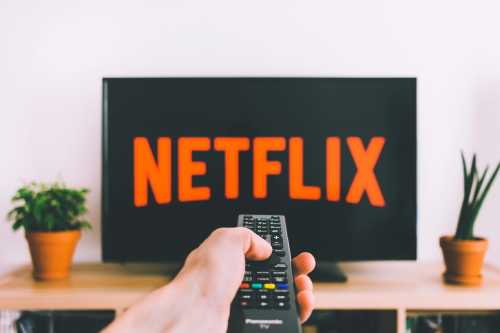
The Metered Pipe: How the Streaming Mega-Bundle and Micro-Transactions are Fracturing the SVOD Monopoly
An impact analysis on the structural transition from flat-rate subscription video to a fragmented, metered attention economy.
The Metered Pipe and the Municipal Merger
In the early 20th century, municipal water systems evolved from individual, privately dug wells into centralized public reservoirs, promising universal access and standardized pricing. Today, the streaming video industry is undergoing a violent regression from that centralized model. The core events of this week—the launch of a unified Netflix and Disney+ ad-supported "Mega-Bundle," Amazon Prime Video’s introduction of mandatory micro-transactions for live sports, and the FCC’s new mandate requiring algorithmic transparency from recommendation engines—signal the definitive end of the flat-rate subscription video-on-demand (SVOD) era. Concurrently, a SAG-AFTRA and WGA joint report highlights a 30% drop in mid-tier residuals driven by these structural shifts, while a major European consortium launches a pan-regional "Super-Aggregator" to bypass US tech monopolies. This dual development forces a collision between hyper-consolidated domestic bundling and the fracturing of global content distribution.
The Telemetry Cartel
Mainstream financial coverage fixates on the consumer convenience of the Netflix-Disney Mega-Bundle, entirely ignoring the structural reality of the behavioral telemetry monopoly it creates. By merging their ad-supported tiers into a single billing and data entity, these legacy studios are not just consolidating content; they are capturing the cross-platform viewing habits of nearly 80% of US households. This enclosure of user data starves independent advertising networks and third-party analytics firms, creating a closed-loop ecosystem where only the platform owners possess the granular, household-level attribution required to price premium connected TV (CTV) inventory.
"The consolidation of FAST and ad-supported SVOD tiers into a single billing entity effectively creates a duopoly over household-level behavioral telemetry, pricing independent ad networks out of the premium CTV market," according to a 2026 primary analysis by Ampere Analysis.This telemetry cartel ensures that the financial upside of the streaming advertising boom accrues exclusively to the walled gardens of the major studios.
The Frictionless Aggregation Defense
Defenders of the Mega-Bundle model offer a compelling counter-narrative, arguing that this consolidation is a necessary market correction to cure the consumer friction of subscription fatigue. They point out that the proliferation of standalone streaming apps over the last five years forced consumers to manage dozens of logins, billing cycles, and disparate user interfaces, effectively mimicking the worst aspects of the cable television era. From this perspective, the unified ad-tier is a consumer-first innovation that reduces cognitive load and lowers the barrier to entry for cost-sensitive demographics, ultimately driving higher overall engagement and stabilizing the revenue base for the participating studios.
The Micro-Transactionization of Premium IP
The second ignored implication is the silent death of the flat-rate SVOD model, accelerated by Amazon Prime Video’s mandatory pay-per-play micro-transactions for live sports. This structural shift transfers the financial risk of content valuation directly from the studio to the end-user, fundamentally altering the unit economics of premium entertainment. By breaking the subscription bundle, Amazon is training consumers to accept variable pricing for high-value, ephemeral content.
According to a Q3 2026 equity research note from MoffettNathanson, "micro-transactional sports overlays will increase average revenue per user (ARPU) by 34% for legacy platforms, effectively rendering the traditional $15 flat-rate SVOD tier economically unviable for premium live rights."This micro-transactionization ensures that the most valuable cultural events are no longer included in a baseline subscription, but are instead gated behind continuous, incremental tolls.
Echoes of the 1996 Telecom Act
This current dynamic mirrors the structural errors and subsequent market corrections of the Telecommunications Act of 1996. That legislation was designed to deregulate the airwaves, promote competition, and break up local monopolies. Instead, it triggered a massive wave of consolidation, resulting in the rise of the Multi-System Operator (MSO) and the modern cable bundle, which ultimately stifled independent programming and raised consumer prices. The historical lesson is definitive: when regulators attempt to manage market fragmentation through light-touch oversight, the underlying capital incentives inevitably drive the market toward extreme consolidation. Today’s streaming landscape is repeating this exact trajectory, where the promise of à la carte digital choice is rapidly being replaced by a new generation of digital monopolies.
The Fiduciary Imperative of Live Sports
Conversely, platform executives and sports rights holders argue that Amazon’s micro-transaction model is not a consumer extraction tactic, but a fiduciary necessity dictated by the hyper-inflation of live sports rights. They contend that the annual cost of securing exclusive NFL, Premier League, and NBA packages has outpaced the growth of flat-rate subscription revenues by a factor of three. From this perspective, variable pricing and pay-per-play overlays are the only mathematically viable mechanisms to sustain the massive capital expenditures required to keep premium live sports on digital platforms, ensuring that the ecosystem does not collapse under the weight of unsustainable rights fees.
The Algorithmic Compliance Trap
Furthermore, the FCC’s new mandate requiring streaming platforms to report algorithmic recommendation data is inadvertently triggering a structural homogenization of content discovery. To comply with the new regulatory reporting requirements and avoid accusations of algorithmic bias, platforms are quietly standardizing their recommendation engines, stripping away the aggressive, niche-tailoring that previously defined the streaming user experience.
"Mandating algorithmic transparency for recommendation engines inadvertently forces platforms to adopt standardized, risk-averse curation models, effectively neutralizing the serendipitous discovery that originally differentiated streaming from linear cable," stated former FCC Commissioner Jessica Rosenworcel during a recent symposium on digital media policy.This algorithmic compliance trap ensures that mid-tier and independent content will be systematically buried beneath a homogenized feed of mass-appeal, risk-averse programming, accelerating the residual decline for working-class actors and writers.
Strategic Maneuvers for the Connected Consumer
Local businesses, hospitality venues, and citizens must adapt immediately to this metered landscape. Independent sports bars, gyms, and local hospitality venues must urgently audit their commercial licensing agreements, as the new micro-transactional sports tiers explicitly void standard residential streaming subscriptions for public exhibition, exposing venues to massive statutory damages. For citizens, the actionable move is to deploy network-level ad blockers and privacy-focused DNS routing to disrupt the unified behavioral telemetry generated by the new Mega-Bundles, preventing their viewing habits from being commodified across the consolidated ad-network. Additionally, consumers should actively migrate to regional, non-US aggregators—such as the newly launched European Super-Aggregator—to bypass the domestic duopoly and access a more diverse, un-manipulated content library.
The Q2 2027 Bifurcation
Looking six months ahead, the streaming landscape will undergo a violent structural correction. By the second quarter of 2027, we project the complete bifurcation of the market into two distinct tiers: a heavily regulated, ad-supported "Mega-Bundle" that serves as the digital equivalent of basic cable, and a hyper-expensive, micro-transacted premium tier where live sports and theatrical releases are sold à la carte. Simultaneously, the 30% drop in mid-tier residuals reported by the guilds will trigger a secondary exodus of working-class creative talent toward direct-to-fan, decentralized Web3 distribution platforms. Ultimately, the streaming economy will abandon the illusion of universal access, permanently fracturing into a utility-grade baseline for the masses, and a heavily toll-road premium tier for the affluent.
Related Articles
The Great Re-Bundling: How FCC Mandates, Biometric Ad-Tech, and Sports Monopolies are Liquidating the Standalone Streaming Era
Nov 04, 2026
The Utility of Illusion: How the Financialization of Streaming and the Open-Protocol Shift are Rewiring the Digital Distribution Economy
Nov 03, 2026
Comments (0)
No comments yet. Be the first to share your thoughts!
Want to join the discussion?
Please log in to post a comment.
Login NoworCreate an Account