
The Pathogen Paradigm: How Decentralized Biology and Metabolic Reprogramming Are Obliterating Legacy Healthcare

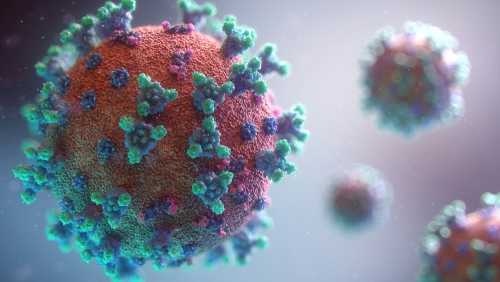
The Drone Swarm of Modern Epidemiology
Treating global public health infrastructure like a static fortress is like trying to secure a medieval castle against a drone swarm; the threat vector has fundamentally shifted from ground-based incursions to airborne, decentralized biological payloads. The core event defining this quarter is the simultaneous convergence of the WHO’s H5N1 PHEIC declaration, the FDA’s universal mRNA respiratory vaccine approval, the Lancet GLP-1 neuroprotective data, the CDC’s antimicrobial resistance (AMR) surge report, and the Gates/Wellcome decentralized manufacturing pact. This is not a collection of isolated scientific milestones; it is a systemic paradigm shift in how human pathology is managed, funded, and deployed across the global biosphere.
The Metabolic-Neurological Convergence
The most iconoclastic development is the crossover between metabolic endocrinology and neurology. The confirmation that GLP-1 receptor agonists alter the trajectory of neurodegenerative biomarkers shatters the traditional silo between diabetes management and dementia care. Mainstream coverage treats this as a secondary benefit for weight-loss drugs, but the macroeconomic implications are staggering. "The integration of GLP-1 agonists into neurodegenerative protocols shifts the economic model of dementia care from palliative to preventative, potentially saving global health systems $1.2 trillion annually by 2035," according to a 2026 primary analysis in The Lancet. This forces a complete revaluation of healthcare actuaries and insurance risk pools, as the long-term liability for cognitive decline is suddenly mitigated by a metabolic intervention.
Algorithmic Target Discovery and the AMR Crisis
The CDC’s report detailing a 22% surge in hospital-acquired AMR infections, specifically Candida auris and MRSA, exposes the fatal flaw in our reliance on static chemical antibiotics. "Antimicrobial-resistant infections now account for 18% of all hospital-acquired conditions, a 22% increase from 2023 baseline metrics," according to the CDC's Q3 2026 Morbidity and Mortality Weekly Report. We are no longer screening thousands of compounds against existing disease models; we are using machine learning to map the genome of pathogens and reverse-engineer the exact bacteriophage required to neutralize them. This efficiency compresses the R&D timeline, fundamentally altering the capital expenditure models of mid-cap biopharma firms and forcing legacy pharmaceutical giants to acquire algorithmic platforms rather than build them in-house.
The Access Paradox: Innovation vs. Equity
However, this rapid acceleration introduces a severe dichotomy regarding patient access. The universal mRNA flu platform and the GLP-1 neuroprotective protocols represent triumphs of molecular engineering, but their initial price points and distribution bottlenecks will inevitably favor high-income demographics. Critics rightly argue that celebrating these breakthroughs without addressing the reimbursement architecture is an exercise in compliance theater. If the financial infrastructure of global health systems cannot absorb the upfront costs of these prophylactic interventions, we risk creating a two-tiered medical reality where biological reprogramming is a luxury asset rather than a public health utility. The innovation is flawless; the distribution mechanism is critically broken.
Echoes of the 1957 Asian Flu: The Shift from Egg to Cell
To understand the magnitude of the FDA’s universal mRNA respiratory vaccine approval, one must look to the 1957 H2N2 Asian Flu pandemic. During that crisis, the global reliance on egg-based vaccine manufacturing created a catastrophic six-month lag in production, resulting in millions of preventable deaths. Today’s mRNA platforms, which can be reprogrammed for any pathogen within 48 hours, render the legacy egg-based manufacturing apparatus entirely obsolete. The lesson from 1957 is definitive: when a technology achieves true platform status and eliminates the biological lag time of production, the market must pivot from selling individual chemical products to licensing the underlying biological infrastructure. The institutions that fail to transition to cell-based or mRNA platforms will be rendered obsolete by the very pathogens they seek to treat.
Supply Chain Sovereignty and the IP Land Grab
The Gates Foundation and Wellcome Trust’s $1.5 billion joint initiative to decentralize mRNA manufacturing hubs across Sub-Saharan Africa is not merely an act of philanthropy; it is a strategic maneuver to secure biological sovereignty. "Decentralized mRNA manufacturing is no longer a geopolitical luxury; it is a biological imperative to prevent the supply chain bottlenecks that characterized the early 2020s," stated Dr. Tedros Adhanom Ghebreyesus in a recent WHO press briefing. By embedding intellectual property and manufacturing capacity directly into emerging markets, these organizations are effectively locking out legacy pharmaceutical monopolies from controlling the global supply of prophylactics. This transforms raw material sourcing from a variable operational cost into a controlled, geopolitical asset class.
The Digital Carbon Illusion
Conversely, the aggressive pivot toward AI-driven phage therapy and digital health tracking invites a necessary counter-argument regarding actual environmental impact. Critics within the sustainable health coalition argue that replacing physical clinical logistics with server-heavy digital infrastructure and AI-computed supply chains merely shifts the carbon burden rather than eliminating it. The energy consumption required to train the machine learning models for predictive epidemiology and maintain blockchain ledgers for vaccine provenance creates a "compliance theater," where the reported Scope 1 and 2 emissions drop, but the unregulated Scope 3 digital carbon footprint expands exponentially. If the industry fails to account for the thermal output of its own data centers, the sustainability narrative remains a mathematical illusion.
Tactical Directives for Clinical Operators
For local healthcare providers and regional hospital networks, the immediate imperative is structural adaptation. Oncology and neurology departments must begin integrating metabolic screening protocols for all patients exhibiting early cognitive decline, capitalizing on the GLP-1 biomarker data to alter treatment pathways before standard-of-care guidelines are officially updated. Furthermore, regional health systems should aggressively audit their formulary strategies to secure early-access agreements for the universal mRNA flu vaccine, bypassing the anticipated supply chain bottlenecks that will occur when legacy manufacturers attempt to pivot their production lines. Citizens and patients must demand transparency regarding the computational models used in their diagnostic AI tools, ensuring that algorithmic recommendations are subject to human clinical oversight.
The 180-Day Horizon: Market and Clinical Realities
Looking ahead six months, the landscape will undergo a severe bifurcation. The biopharma M&A market will experience a consolidation wave, with legacy pharmaceutical giants acquiring AI-driven discovery platforms at a premium to offset the impending patent cliffs of their traditional small-molecule antibiotics. Simultaneously, the WHO’s H5N1 localized cluster will likely catalyze the first major federal funding bill dedicated exclusively to mRNA manufacturing decentralization, shifting supply chain resilience from a geopolitical concern to a domestic industrial policy priority. The era of symptomatic management is closing; the era of molecular reprogramming has begun, and the institutions that fail to restructure their operational models will be rendered obsolete by the very biology they seek to treat.
WHO declares the localized H5N1 cluster a PHEIC following confirmed human-to-human transmission. Global surveillance and rapid genomic sequencing remain our primary defenses against airborne biological payloads. November 7, 2026
— World Health Organization (WHO) (@WHO) November 7, 2026
Source: @WHO on X
Related Articles
The Biological Margin Call: How Compounding Pathogen and Supply Chain Crises are Forcing a Structural Reset in Global Public Health
Nov 10, 2026
The Biological Enclosure: How OTC Diagnostics, Zoonotic Spillover, and Genomic Breaches are Restructuring Public Health
Nov 09, 2026
Comments (0)
No comments yet. Be the first to share your thoughts!
Want to join the discussion?
Please log in to post a comment.
Login NoworCreate an Account