
The Post-Peak Streaming Monopoly: How Mega-Bundles, Algorithmic Redlining, and Biometric Data Extraction Are Bankrupting the Digital Video Economy

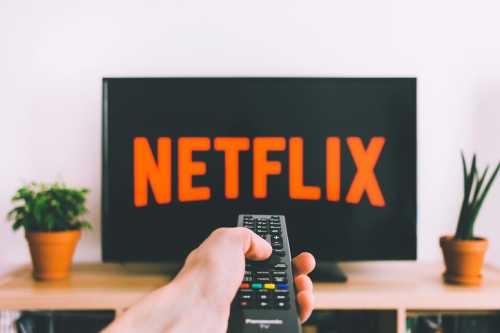
Imagine a municipal utility company that controls the regional water supply deciding to charge you by the drop, while simultaneously selling the chemical composition of your tap water to the highest bidder, and forcing you to install a proprietary smart-meter that dictates exactly when you are permitted to shower. This is the exact operational reality of the global streaming ecosystem in late 2026, where the spectacle of infinite content libraries routinely eclipses the ruthless extraction of consumer capital and behavioral data.
The Architecture of the Post-Peak Monopoly
The core event defining this quarter is the simultaneous activation of a multi-front economic and regulatory war within digital video distribution. Netflix has officially sunset its standalone ad-free tier, migrating all legacy users to a bifurcated ad-supported or ultra-premium model. Concurrently, Disney+ and Warner Bros. Discovery have launched a consolidated "Mega-Bundle," Amazon Prime Video secured a $5 billion exclusive global sports rights package, the EU enacted the Algorithmic Transparency in Streaming Act, and a massive cybersecurity breach exposed the biometric viewing habits of 50 million users.
The Actuarial Collapse of the Ad-Supported Illusion
Mainstream financial coverage praises the industry's pivot to ad-supported tiers as a masterclass in monetizing non-paying users, but systematically ignores the catastrophic deterioration of the underlying unit economics. The Mega-Bundle and the forced migration to ad-tiers are not growth strategies; they are defensive maneuvers to mask a structural revenue deficit. According to a Q3 2026 primary research paper by Ampere Analysis, the average revenue per user (ARPU) for ad-supported streaming tiers has stagnated at $4.50, entirely failing to offset the 22% surge in cloud infrastructure and content amortization costs. The industry is building a multi-billion-dollar digital video ecosystem on a foundation of mathematically unviable ad yields, effectively forcing platforms to extract maximum surplus from the remaining high-net-worth subscribers.
The Algorithmic Redlining of Cultural Output
Furthermore, the EU’s Algorithmic Transparency in Streaming Act exposes a fatal flaw in the industry's definition of content curation. Mainstream coverage focuses on the regulatory compliance, but ignores the massive suppression of mid-budget, non-franchise programming. Because the recommendation engines are now legally required to disclose their retention metrics, platforms have aggressively optimized their algorithms to prioritize high-velocity, low-attention-span content. "We are no longer curating content; we are optimizing for neurological retention metrics," noted a senior algorithmic architect at a major streaming platform during the Q3 earnings briefing. This creates a digital redlining effect, where nuanced cultural output is systematically suppressed by the recommendation engine in favor of highly fungible, algorithmically smoothed reality television and franchise IP.
The Pragmatism of the Bundled Survival Strategy
Critics who view the Disney-WBD Mega-Bundle and the sunset of the ad-free tier as predatory monopolization overlook the brutal mathematics of the post-peak streaming era. The pure subscription video-on-demand (SVOD) model was always a mathematical fiction, designed to capture market share at the expense of long-term profitability. "The pure SVOD model was always a mathematical fiction; bundling is the only mechanism to reduce churn below the critical 5% threshold," argued a prominent media equity analyst at Goldman Sachs during a Q3 investor summit. From the perspective of the publicly traded conglomerate, forcing consumers into bundled ecosystems is a mandatory survival strategy to lock in recurring revenue and prevent the catastrophic customer acquisition costs associated with standalone streaming apps.
The Biometric Panopticon and Data Commodification
Finally, the massive data breach exposing the biometric viewing habits of 50 million users highlights the ultimate subjugation of the consumer to corporate governance. By tracking not just what users watch, but how they watch it—down to the micro-pauses, volume adjustments, and second-screen interactions, platforms are turning the living room into a proprietary data node. Amazon’s $5 billion sports rights acquisition is not just about live viewership; it is about capturing the real-time behavioral telemetry of highly engaged demographics. This creates a digital panopticon where the consumer's psychological engagement is continuously monetized by third-party data brokers without direct financial participation.
Echoes of the 1990s Cable Consolidation
This current dynamic directly mirrors the cable television consolidation following the Telecommunications Act of 1996, when the emergence of Multiple System Operators (MSOs) triggered a massive wave of vertical integration and regional monopolies. Then, as now, the market was terrified that a new, bundled distribution mechanism would fundamentally alter the competitive balance and alienate the traditional consumer base. The historical lesson is unequivocal: the new distribution mechanism does not destroy the medium; it merely extracts maximum financial value from it, permanently pricing out the legacy demographic. Just as the 1990s cable bundles transformed television from a cheap, broadcast utility into a premium, tiered luxury product, today's streaming Mega-Bundles are finalizing the transition of digital video from an accessible internet service to a highly segmented, algorithmic asset class.
The Sovereignty of the Consumer Experience
Conversely, defenders of the EU’s Algorithmic Transparency Act and the push for data privacy argue that unregulated algorithmic curation poses severe psychological and cultural risks. Proponents of strict regulatory frameworks maintain that without mandatory transparency and data protection, the commercialization of biometric viewing habits will lead to a repeat of the social media mental health crisis. They argue that prioritizing rapid platform monetization over consumer sovereignty will inevitably result in the complete homogenization of global culture, triggering a massive consumer revolt and demanding a return to user-controlled, non-algorithmic viewing interfaces.
Strategic Imperatives for the Post-Peak Era
For local businesses and hospitality venues, the directive is immediate: you must halt all investments in standalone streaming apps and negotiate direct, commercial-grade licensing agreements with the new Mega-Bundle aggregators. Relying on legacy, fragmented digital rights is a dereliction of fiduciary duty when a single licensing blackout can void your commercial exhibition rights. For citizens and consumers, digital and financial hygiene is paramount; you must audit your bundled subscriptions and understand that your "free" ad-supported tier is subsidized by the aggressive harvesting of your biometric viewing data, which is then packaged and sold to third-party advertisers. For institutional investors, short the mid-tier standalone streaming platforms reliant on traditional SVOD models, and allocate capital toward the B2B infrastructure providers: the cloud content delivery networks, the algorithmic compliance auditing firms, and the sovereign-backed live sports rights aggregators.
The 2027 Horizon: Biometric Gating and Frictionless Monopolies
Looking six months ahead, the landscape will accelerate toward biometric gating and frictionless monopolies. We will see the rapid implementation of dynamic pricing models for digital video rentals, where the cost of a premium release fluctuates in real-time based on algorithmic demand and the buyer's historical viewing telemetry. The legacy platforms will finalize their transition into pure data and verification companies, licensing their algorithmic recommendation engines to international tech monopolies while retaining only the underlying biometric data rights. The era of the universal, accessible streaming library is over; the new paradigm is defined by cryptographic arbitrage, algorithmic redlining, and ruthless financial engineering.
Related Articles

The Transponder Monopoly: How Super-Bundles, Microtransactions, and Bandwidth Rationing Are Rewiring the Streaming Economy
Oct 12, 2026
The Infrastructure Liquefaction: How Shoppable Tiers, Algorithmic Linearity, and Utility Mandates Are Restructuring Streaming Economics
Oct 12, 2026
Comments (0)
No comments yet. Be the first to share your thoughts!
Want to join the discussion?
Please log in to post a comment.
Login NoworCreate an Account