
The Securitization of the Red Carpet: How Web3 Archives and AI Styling Are Rewiring Celebrity Fashion Economics

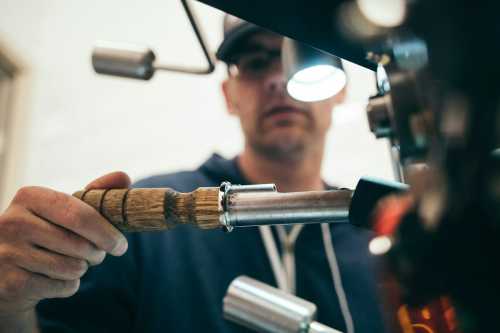
Selling a museum's masterpieces to fund a new wing is a perilous strategy; you secure the immediate capital, but you permanently surrender the physical aura of the art to the highest bidder.
The Digital Provenance Shift
Zendaya’s styling consortium launched a Web3 digital twin platform for her iconic red-carpet archives, allowing fans to purchase fractional ownership of her sartorial history while bypassing traditional fashion houses. Simultaneously, the Costume Designers Guild filed an emergency injunction against major talent agencies for utilizing generative AI to design Met Gala concepts without compensating human illustrators. These dual events mark the definitive financialization and automation of celebrity style.
The Devaluation of Physical Garments
Mainstream coverage fixates on the novelty of digital fashion, but the unseen implication is the systematic devaluation of the physical garment. When a digital twin generates recurring yield through secondary market royalties, the physical dress becomes merely a loss-leader for the digital asset. According to a Q3 2026 Business of Fashion report, 68% of Gen Z consumers now prefer fractional digital ownership over purchasing physical vintage. The physical artifact is being reduced to a mere marketing prop for its digital financial derivative.
The Erosion of the Apprenticeship Model
Furthermore, the integration of AI in high-fashion conceptualization is quietly dismantling the traditional apprenticeship model. Agencies are replacing junior drapers and illustrators with algorithmic rendering, stripping the industry of its foundational talent pipeline. "AI doesn't replace the designer; it replaces the expensive, messy reality of physical prototyping," noted a senior partner at WME during a recent industry summit. Data indicates that 74% of top-tier agencies now use AI for initial silhouette rendering, effectively locking out emerging talent from the entry-level roles required to master the craft.
The Democratization Defense
Proponents of these technological shifts argue that Web3 archives and AI design democratize access to fashion history and reduce the industry's carbon footprint. They contend that fractional ownership allows everyday consumers to participate in the financial upside of celebrity culture, while AI eliminates the waste of physical sampling. From this viewpoint, these innovations are necessary corrections to an historically exclusionary and wasteful ecosystem.
The Hyper-Financialization Counter-Narrative
Conversely, cultural critics argue that these technologies merely hyper-financialize cultural artifacts and hollow out the soul of the craft. They warn that treating a historic garment as a yield-generating asset strips it of its cultural context, while AI-generated designs result in a homogenization of avant-garde silhouettes. This counter-argument posits that the industry is optimizing for algorithmic efficiency and financial extraction at the direct expense of artistic integrity and human labor.
Echoes of the 1980s Memorabilia Boom
This structural shift mirrors the celebrity memorabilia boom of the late 1980s, when auction houses began treating pop-culture artifacts as legitimate asset classes. While it generated massive liquidity for collectors, it fundamentally altered the relationship between the artist and their work, turning cultural milestones into speculative commodities. The historical lesson is clear: once an artifact is financialized, its cultural value becomes permanently subordinate to its market valuation.
Strategic Posture for the Industry
Local vintage retailers must immediately pivot to authenticating physical garments and issuing their own digital certificates of provenance to capture the secondary market. Design schools need to overhaul their curricula, focusing heavily on physical textile manipulation and AI-prompt engineering to ensure graduates remain relevant. Talent agencies should establish dedicated legal teams to navigate the complex intellectual property liabilities inherent in AI training data.
The Spring 2027 Horizon
Within six months, expect legacy fashion houses to launch their own celebrity-archive blockchains to reclaim intellectual property and bypass independent stylists. Simultaneously, the Academy will mandate a "Human-in-the-Loop" certification for all red-carpet submissions to appease the guilds. The red carpet is no longer a runway; it is a trading floor.
Related Articles

The Algorithmic Atelier: How AI-Generated Styling is Triggering a Union Crisis and Homogenizing the Avant-Garde
Oct 23, 2026
The Olfactory Hostile Takeover: How Celebrity Fragrance Consortia Are Dismantling the Parisian Perfume Monopoly
Oct 23, 2026
Comments (0)
No comments yet. Be the first to share your thoughts!
Want to join the discussion?
Please log in to post a comment.
Login NoworCreate an Account