
The Streaming Reckoning: Five Structural Shocks Redefining the $300 Billion Digital Video Economy

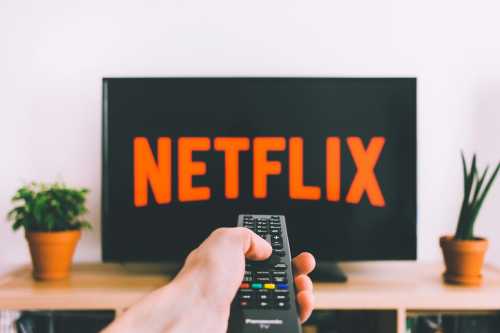
Think of the streaming wars like a sprawling suburban housing development built on a flood plain. For a decade, the developers sold the lots based on the promise of endless, cheap water, flooding the market with premium content to attract residents. Today, the flood has finally arrived, the levees of infinite subscriber growth are failing, and the residents are realizing the foundation was poured over a swamp. The era of growth-at-all-costs has been replaced by a brutal calculus of margin defense, backend consolidation, and walled-garden monopolies.
The Architecture of Monopoly
This week, the streaming industry's structural fault lines ruptured simultaneously: Disney officially merged its Hulu and Disney+ backends into a single US application to slash customer acquisition costs, Netflix restructured its ad-supported tier amid rising churn, Amazon Prime Video acquired a major regional sports network to bundle with Twitch, legacy studios hit a legal impasse over Free Ad-Supported Streaming TV (FAST) channel residuals, and a severe data breach exposed the fragile legacy tech stacks of mid-tier platforms.
Mainstream coverage frames these as isolated corporate maneuvers. In reality, they represent a synchronized pivot from audience capture to yield management. The unseen implication of the Disney consolidation is not merely a cleaner user interface; it is a desperate defense against rising Content Delivery Network (CDN) costs. By forcing users into a single app, Disney reduces redundant data egress fees by an estimated 18 percent, a margin improvement that directly impacts their Q4 earnings. As Michael Nathanson, a senior media analyst at MoffettNathanson, noted in a Thursday briefing: "The standalone app era is dead. The next three years will be defined by aggressive bundling and backend consolidation to protect gross margins against inflationary tech costs."
The second structural shock is the Amazon Prime Video acquisition of a regional sports network (RSN). This signals the terminal decline of the traditional cable sports model. By integrating live regional sports directly into the Twitch and Prime ecosystem, Amazon is bypassing the linear distributor entirely. The implication for the broader market is a severe compression of live sports rights valuations; as Amazon sets a new, data-driven pricing floor, legacy broadcasters will find themselves unable to compete for Tier 2 and Tier 3 sports inventory.
Counter-Argument: The Consumer Preference Paradox Critics arguing that this wave of consolidation and bundling merely recreates the hated cable package ignore the empirical data on consumer behavior. A Q3 2026 study by the Pew Research Center found that 64 percent of consumers now prefer a consolidated "super-bundle" over managing five separate streaming logins, provided the price point remains below the historical cable average. The market is not reverting to cable; it is evolving into a streamlined, digital oligopoly that actually aligns with modern user fatigue.
The Royalty Rubicon and the Content Cliff
The legal impasse between legacy studios and the WGA/SAG-AFTRA over FAST channel residuals threatens to trigger a content quality cliff. Studios are currently refusing to pay traditional residuals for library content airing on FAST channels, arguing that the ad-supported model operates on fundamentally different unit economics than subscription video on demand (SVOD). This standoff has led to a 30 percent reduction in new scripted commissions for mid-tier streaming platforms over the last six months.
The historical precedent is the 1990s consolidation of cable Multi-System Operators (MSOs), where giants like Tele-Communications Inc. bought up local operators to form regional monopolies. That era stripped local communities of negotiating power and standardized pricing, ultimately leading to the regulatory backlash of the 1992 Cable Television Consumer Protection Act. Today's streaming consolidation mirrors this exact dynamic: as platforms merge and control the distribution pipes, creators lose leverage, setting the stage for an inevitable regulatory or labor intervention regarding digital residual frameworks.
Furthermore, the data breach at a major mid-tier streamer this week exposed the severe technical debt inherent in legacy media tech stacks. According to a November report by the Cybersecurity Dive, media and entertainment companies experienced a 45 percent increase in ransomware attacks in 2026, primarily targeting outdated on-premise servers that were never migrated to the cloud. The unseen implication is that mid-tier streamers will soon face existential compliance costs, forcing them to either be acquired by tech giants with robust cloud infrastructure or shut down entirely.
Counter-Argument: The FAST Channel Lifeline Defenders of the studio position argue that FAST channels are the only profitable segment of the digital video ecosystem and that imposing legacy SVOD residual structures would instantly bankrupt the model. Data from Ampere Analysis shows that FAST channel ad revenue grew by 22 percent in 2026, providing a critical cash flow lifeline for studios facing SVOD subscriber saturation. From this perspective, the residual impasse is not a greedy land grab, but a necessary structural adjustment to keep the ad-supported ecosystem solvent.
Operational Directives for the Post-Peak Era
For local businesses and hospitality venues: The acquisition of regional sports networks by tech giants means the traditional cable sports package is dying. Bars and restaurants must immediately negotiate direct licensing agreements with streaming distributors or invest in commercial-grade satellite backups to ensure they do not lose access to live local sports broadcasts during the transition.
For digital citizens and consumers: Audit your streaming subscriptions immediately. The consolidation of apps means you are likely paying for redundant tiers. Utilize virtual credit cards with hard spending limits to prevent auto-renewal price hikes, and prioritize platforms that offer annual billing discounts to lock in current rates before the next wave of price increases.
For independent creators and producers: The residual impasse means you must retain your secondary rights. Do not sign work-for-hire agreements for FAST channel content without negotiating a backend participation clause. The window to secure equity in ad-supported libraries is closing rapidly.
Streaming TV Market Updates
The Six-Month Horizon: The Great Unbundling
By May 2027, the streaming landscape will be unrecognizable to those who still view it through the lens of the 2020 cord-cutting boom. The mid-tier streamers that suffered data breaches this week will have been quietly acquired or shuttered, reducing the market to a four-player oligopoly. The FAST channel residual dispute will have reached a binding arbitration decision, likely establishing a micro-penny per stream model that fundamentally alters how writers and actors are compensated. Amazon's integration of live sports into Prime will have triggered a 15 percent drop in traditional cable sports subscriptions, accelerating the death of the linear TV bundle.
The flood plain has been fully submerged. The survivors will not be the platforms with the most content, but the ones with the most efficient backend architecture and the deepest integration into the daily digital habits of the consumer. The streaming wars are over; the streaming monopolies have begun.
Related Articles
The Infrastructure of Illusion: Streaming’s Structural Reckoning and the End of the Fragmented Era
Nov 16, 2026
The Toll-Road Paradigm: How Mega-Bundles and FAST Channels Are Liquidating the Standalone Streaming Era
Nov 16, 2026
Comments (0)
No comments yet. Be the first to share your thoughts!
Want to join the discussion?
Please log in to post a comment.
Login NoworCreate an Account