
[The Structural Decay of Public Health: Navigating the 2026 Convergence of AMR, Mental Health, and Institutional Distrust]

Like a municipal water system that appears fully functional until a minor pressure drop reveals widespread pipe corrosion, the global public health architecture is currently exhibiting superficial stability that masks profound structural decay. In August 2026, the World Health Organization and Africa CDC initiated emergency Ebola vaccine allocations to the Democratic Republic of the Congo and Uganda [[3]]. Concurrently, the U.S. Centers for Disease Control and Prevention issued warnings regarding a multistate Salmonella and E. coli outbreak linked to recalled produce, while simultaneously formalizing the 2026–2036 Global Action Plan on Antimicrobial Resistance [[1]], [[23]].
The Antimicrobial Resistance Time Bomb
The diplomatic adoption of the updated Global Action Plan on Antimicrobial Resistance is being celebrated as a policy triumph, yet it obscures a grim epidemiological reality. From 2018 through 2023, antibiotic resistance rose in more than 40% of the bug-drug combinations monitored, with an average annual increase of 5% [[24]]. This trajectory indicates that our pharmacological arsenal is degrading faster than the pipeline for novel anti-infectives can replenish it. The mainstream narrative focuses heavily on corporate benchmarking, but the unseen implication is the imminent return of routine surgical procedures and minor infections carrying mortality rates unseen since the pre-penicillin era. Health systems are quietly preparing for a future where first-line treatments fail at scale.
The Innovation Optimism Fallacy
Proponents of current pharmaceutical strategies argue that the 2026 Antimicrobial Resistance Benchmark, which evaluates 25 major companies, proves that the private sector is adequately pivoting toward novel drug development [[20]]. They contend that market incentives, coupled with new regulatory pathways, will naturally correct the supply deficit. However, this perspective ignores the fundamental economic mismatch: antibiotics are designed for short-course use, making them inherently unprofitable compared to chronic disease medications. Without radical, state-subsidized "pull" incentives, corporate benchmarking remains an exercise in public relations rather than a viable pipeline solution.
The Silent Collapse of Mental Health Infrastructure
Parallel to infectious threats, the mental health infrastructure is experiencing a systemic collapse. The National Institutes of Health estimates that over 57 million Americans currently live with a mental illness [[33]]. More alarmingly, recent data indicates that young adults ages 18 to 29 reported the highest crisis prevalence at 15.1%, compared to 2.6% of those over 60 [[36]]. The media frequently frames this as a post-pandemic hangover, but the deeper implication is the catastrophic failure of the public health workforce. In 2021, the U.S. psychiatry workforce met only 28% of population treatment needs, requiring an estimated 6,600 additional psychiatrists just to fill the existing gap [[34]]. This deficit has only widened, transforming mental health from a clinical issue into a macroeconomic drag on productivity and social stability.
Echoes of the 2014 Ebola Response
This current fragmentation directly mirrors the 2014 West Africa Ebola outbreak, where initial international complacency allowed a localized crisis to escalate into a global security threat. Just as the 2014 response was hampered by fragmented data sharing and underfunded local health systems, the current mpox and Ebola responses in 2026 reveal that the "lessons learned" were largely administrative rather than structural. The historical lesson is clear: reactive funding surges following a crisis do not build resilient systems; they merely purchase temporary containment. True preparedness requires sustained, baseline investment in local public health intermediaries, a mandate the CDC is only now attempting to pilot through its 2026 Public Health Data Strategy [[38]].
The Erosion of Institutional Trust
The erosion of institutional trust represents the most volatile variable in modern epidemiology. Recent assessments of the U.S. response to public health threats found that nearly 50% rated it as only fair to poor, demonstrating civil unrest and dissatisfaction [[14]]. This skepticism is actively weaponized, complicating routine immunization efforts. The CDC’s recent move to streamline childhood vaccine recommendations is a direct, albeit reactive, attempt to navigate an environment where executive orders and political polarization actively undermine established immunological consensus [[5]]. When public health guidance is viewed through a partisan lens, compliance drops, and herd immunity thresholds become mathematically unattainable.
The Decentralization Defense
Advocates for decentralized health governance argue that shifting authority away from federal bodies empowers local health departments to tailor interventions to community-specific needs, thereby rebuilding trust from the ground up. They assert that localized autonomy fosters greater public cooperation than top-down mandates. Yet, this argument dangerously underestimates the borderless nature of modern pathogens. A multistate Salmonella and E. coli outbreak linked to a single recalled agricultural product demonstrates that localized autonomy is ineffective against national supply chain vulnerabilities [[1]]. Fragmented responses inevitably lead to patchwork containment, allowing preventable diseases to exploit jurisdictional seams.
Strategic Imperatives for Stakeholders
- For Local Health Departments: Immediately audit and integrate with the CDC’s emerging Public Health Data Strategy intermediaries to ensure real-time surveillance capabilities, rather than relying on legacy, lagging reporting systems [[38]].
- For Employers and Businesses: Expand occupational health benefits to include robust, subsidized mental health support, recognizing that the 15.1% crisis prevalence among young workers directly impacts retention and operational continuity [[36]].
- For Citizens: Verify public health guidance through primary, non-partisan sources such as the WHO or academic medical centers, and advocate for community-level antimicrobial stewardship programs to mitigate personal exposure to resistant pathogens.
The Six-Month Horizon
Within six months, the public health landscape will undergo three predictable shifts. First, the gap between AMR policy and clinical reality will force at least one major health system to publicly ration last-resort antibiotics due to supply chain failures. Second, as the 2026–2036 Global Action Plan faces its first budgetary review, we will witness intense geopolitical friction over intellectual property waivers for novel anti-infectives. Finally, the mental health workforce deficit will catalyze the mainstream adoption of AI-driven triage tools in primary care, a controversial but inevitable stopgap measure to manage the overwhelming volume of unmet psychiatric needs. The era of taking public health infrastructure for granted has ended; the bill for decades of underinvestment is now due.
Related Articles
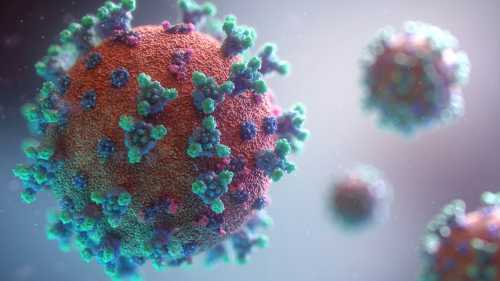
The Architecture of Biological Sovereignty: How AI Triage, GLP-1 Reprogramming, and Decentralized mRNA are Dismantling Centralized Public Health
Sep 25, 2026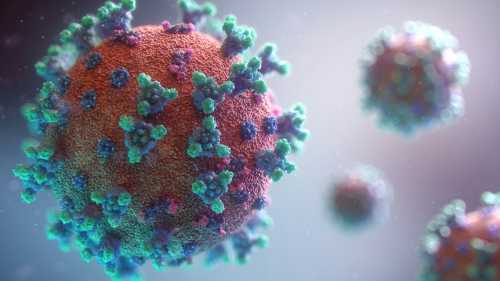
The Bio-Digital Iron Curtain: How Converging Pathogen and Cyber Threats are Restructuring Global Health Economics
Sep 25, 2026
Comments (0)
No comments yet. Be the first to share your thoughts!
Want to join the discussion?
Please log in to post a comment.
Login NoworCreate an Account