
The Zoonotic Inflection: H5N1 Mammalian Transmission and the Collapse of Agricultural Biosecurity

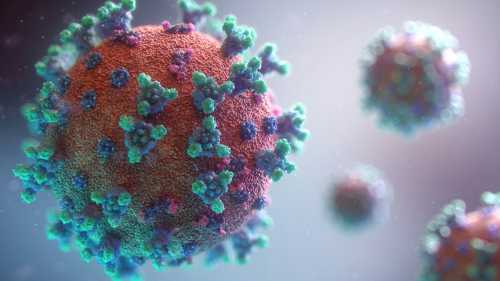
The Pressure Valve: Zoonotic Spillover and Systemic Fragility
Like a pressure valve failing on a municipal water system, the silent accumulation of zoonotic spillover events is now testing the structural integrity of global epidemiological defenses. The core event driving this analysis is the World Health Organization's recent escalation of the H5N1 avian influenza threat level, coupled with confirmed mammalian transmission clusters, which signals a critical inflection point in pandemic preparedness. This development exposes severe vulnerabilities in global surveillance networks and agricultural biosecurity protocols that have been systematically underfunded and politically marginalized over the past decade.
The Silent Ledger: Agricultural Economics and Supply Chain Contagion
Mainstream financial discourse frequently isolates public health metrics from macroeconomic realities, ignoring the catastrophic economic contagion currently ravaging the global poultry and dairy sectors. According to the World Organisation for Animal Health (WOAH), H5N1 has resulted in the loss or culling of over 500 million birds globally since 2021, representing an unprecedented economic shock to the poultry sector. This is not merely an isolated agricultural disruption; it is a systemic supply chain failure that inflates protein prices, destabilizes emerging market currencies reliant on agricultural exports, and forces central banks to maintain restrictive monetary policies longer than fundamentally justified. The unseen implication is a permanent restructuring of global food trade routes, as importing nations aggressively diversify away from high-risk geopolitical zones to secure domestic caloric baselines.
The Transparency Deficit: Reassessing Genomic Surveillance
It is a common analytical shortcut to declare that global pathogen surveillance is technologically failing. However, this argument ignores the exponential proliferation of next-generation sequencing capabilities deployed since 2020. The true bottleneck is not technological capacity, but rather data sharing, political transparency, and the commercialization of genomic data. Dr. Richard Webby, director of the WHO Collaborating Center for Studies on the Ecology of Influenza in Animals and Birds, notes, "The virus is not standing still; its panzootic nature in mammals means our traditional agricultural firewalls are fundamentally obsolete." The failure lies in the geopolitical reluctance to share real-time sequencing data, which transforms a manageable localized outbreak into an opaque, global blind spot.
The Compounding Crisis: Antimicrobial Resistance and Secondary Pathogens
Beneath the immediate threat of viral transmission lies a more insidious, long-term epidemiological time bomb: the compounding effect of Antimicrobial Resistance (AMR). Should H5N1 achieve sustained human-to-human transmission, the resulting surge in severe respiratory illnesses will inevitably trigger a massive prescription of broad-spectrum antibiotics to treat secondary bacterial pneumonias. A 2024 Lancet Commission report on antimicrobial resistance projects that without intervention, secondary bacterial infections in a widespread influenza scenario could push AMR-related mortality well beyond the projected 10 million annual deaths by 2050. The healthcare infrastructure is entirely unprepared for a dual-pathogen crisis where the viral vector is highly contagious and the bacterial co-infections are pharmacologically untreatable.
Echoes of 1997: The Stalled Evolution of 'One Health'
This current fragmentation of human, animal, and environmental health policy directly mirrors the systemic failures observed during the initial 1997 emergence of H5N1 in Hong Kong. At that time, the siloed approach between veterinary sciences and human epidemiology allowed the virus to establish deep reservoirs in domestic duck populations before being identified in humans. The historical lesson from 1997 was the formalization of the 'One Health' framework, which mandates integrated, cross-sectoral surveillance. Yet, nearly three decades later, the execution of 'One Health' remains largely rhetorical. Funding streams are still strictly partitioned between human health ministries and agricultural departments, creating administrative friction that pathogens easily exploit.
Manufacturing Bottlenecks and the mRNA Illusion
While corporate press releases champion the limitless potential of mRNA vaccine platforms, the industrial reality reveals severe manufacturing bottlenecks and raw material fragilities. The pivot from traditional egg-based influenza vaccines to mRNA therapeutics requires highly specialized lipid nanoparticles and proprietary enzymatic processes, the supply chains for which are heavily concentrated in just three geographic regions. This centralization creates a single point of failure. If a novel clade requires rapid scale-up, the global community will immediately collide with the physical limits of bioreactor capacity and cold-chain logistics, rendering the theoretical speed of mRNA development practically moot in the first critical 90 days of an outbreak.
The Culling Paradox: Biosecurity vs. Agrarian Economics
The prevailing orthodoxy dictates that mass culling of infected and exposed flocks is the only viable containment strategy. However, framing this solely as a biosecurity imperative ignores the devastating socio-economic fallout for local agrarian communities. Mass culling destroys livelihoods, creates localized food insecurity, and incentivizes farmers to hide outbreaks to avoid financial ruin, thereby accelerating undetected viral spread. A more objective, albeit politically difficult, approach requires the implementation of targeted, in-ovo poultry vaccination programs. While this historically triggers international trade embargoes under World Organisation for Animal Health guidelines, modern differentiation tests can now distinguish between infected and vaccinated animals, suggesting that the culling paradigm must evolve to balance epidemiological containment with agrarian economic survival.
Operational Imperatives for Local Stakeholders
For local businesses and citizens, immediate operational pivots are required to mitigate impending supply chain and health shocks. Agricultural enterprises and food service distributors must immediately conduct comprehensive biosecurity audits and diversify their protein supply chains to include geographically distinct suppliers, insulating themselves from regional culling events. High-risk occupational sectors, particularly veterinary and agricultural processing, must mandate the stockpiling of enhanced personal protective equipment (PPE) and establish prophylactic antiviral protocols for their workforce. Citizens should focus on optimizing personal metabolic health and securing comprehensive health insurance coverage that explicitly includes advanced respiratory care, as public health systems will likely ration non-critical care during a surge event.
The Six-Month Horizon: Consolidation and Prophylactic Innovation
Looking six months ahead, the public health and agricultural landscape will be defined by aggressive market consolidation and a surge in prophylactic innovation. We will witness the acquisition of mid-tier poultry and dairy producers by massive, vertically integrated conglomerates capable of absorbing the capital expenditures required for upgraded biosecurity infrastructure. Concurrently, venture capital will aggressively flow into broad-spectrum antiviral therapeutics and universal influenza vaccine candidates, shifting the pharmaceutical focus from reactive treatment to proactive prophylaxis. The ultimate metric of success in this new paradigm will not be the speed of our response, but the structural resilience of the agricultural and epidemiological firewalls we build today.
Related Articles

The Public Health Paradox: Record Medical Innovation Masks Structural Systemic Decay
Sep 24, 2026![[The Pathogen and the Panopticon: Five Public Health Milestones Expose the Fragility of Systemic Resilience]](https://www.crimaz.com/assets/images/no-image.jpg)
[The Pathogen and the Panopticon: Five Public Health Milestones Expose the Fragility of Systemic Resilience]
Sep 24, 2026
Comments (0)
No comments yet. Be the first to share your thoughts!
Want to join the discussion?
Please log in to post a comment.
Login NoworCreate an Account