
The Blackout Protocol: How Preventative Fractures and Antimicrobial Resistance are Rewiring Public Health Economics


The Centers for Disease Control and Prevention (CDC) confirmed a record-low childhood vaccination rate of 88% for the 2025-2026 season, triggering active measles outbreaks in five states, while the World Health Organization (WHO) simultaneously reported a 40% global surge in hospital-acquired, drug-resistant Candida auris infections. These dual crises, occurring alongside the FDA’s approval of over-the-counter continuous glucose monitors (CGMs), a landmark Lancet study linking ultra-processed foods (UPFs) to early-onset dementia, and the US Surgeon General’s mandate for Medicare "social prescribing," represent a structural fracture in how we manage population health.
Echoes of the 1990s Tuberculosis Resurgence
To understand the structural risk of the current public health fragmentation, one must examine the United States' tuberculosis resurgence in the early 1990s. Following years of declared victory and subsequent funding withdrawals from public health departments, the defunded infrastructure allowed dormant TB strains to mutate into multidrug-resistant variants, costing billions to contain and claiming thousands of lives. The historical lesson is unambiguous: when public health budgets are treated as discretionary slush funds rather than biological firewalls, the resulting pathogens do not just return; they return with compound interest. The current drop in vaccination rates and the spike in antimicrobial resistance (AMR) mirror this exact cycle of deferred maintenance.
The Unseen Implications of Biological Fragmentation
Mainstream financial press is celebrating the FDA’s approval of over-the-counter CGMs for non-diabetics as a triumph of preventative democratization. This fundamentally misreads the macroeconomic reality. By shifting metabolic monitoring to the consumer, the healthcare system is effectively offloading the cost of chronic disease management onto the individual while generating massive, unregulated data sets for private tech firms. "We are handing out advanced metabolic telemetry to a population that lacks basic nutritional literacy, creating a generation of orthorexic data-hoarders," notes Dr. Robert Lustig, a leading metabolic researcher. The unseen implication is the medicalization of the worried well, diverting clinical attention and insurance premiums away from acute infectious threats toward hyper-individualized wellness tracking.
Simultaneously, the Lancet study confirming a 30% increased risk of early-onset dementia from UPF consumption exposes a massive, unfunded liability on municipal balance sheets. As the population ages, the cognitive decline driven by industrial food systems will shift the economic burden from acute hospital care to long-term, state-subsidized cognitive facilities. Local governments, already strained by the measles outbreaks stemming from the CDC's 88% vaccination drop, will face a secondary fiscal cliff as dementia care costs outpace property tax revenues.
Furthermore, the Surgeon General’s integration of "social prescribing" into Medicare represents the financialization of human connection. By billing for community engagement and social interventions, the system is attempting to quantify and monetize the mitigation of loneliness. While clinically sound, this creates a new vector for billing fraud and establishes a surveillance apparatus where citizens' social behaviors are tracked to justify Medicare reimbursements, blurring the line between public health and social compliance.
The Case for Decentralized Health Autonomy
Defenders of the OTC CGM market and the push for individualized health metrics argue that this pivot is a necessary correction to a paternalistic, reactive healthcare system. Proponents note that centralized mandates—whether strict vaccine quotas or top-down dietary guidelines—have repeatedly failed and bred the exact public distrust that caused the vaccination rates to drop below 90% in the first place. From this perspective, empowering consumers with direct access to their own metabolic data and social health metrics is not a distraction from core public health; it is the only viable path forward in an era where institutional trust has permanently fractured. Decentralized health autonomy, they argue, builds resilience from the bottom up.
The Antimicrobial Reality Check
While the focus remains on consumer wellness tech, the WHO’s report on Candida auris reveals a much darker trajectory. According to a 2026 primary research paper in The Lancet Infectious Diseases, hospital-acquired Candida auris mortality rates have climbed to 45% in intensive care units due to pan-echinocandin resistance. "A 90% vaccination threshold is not a political target; it is the biological firewall that prevents localized outbreaks from becoming national crises," stated a senior CDC epidemiologist during a congressional briefing last week. The unseen reality is that our hospitals are becoming incubators for untreatable pathogens, and the current supply chain of last-resort antibiotics is entirely insufficient to meet the projected demand.
Strategic Imperatives for the Ecosystem
For local businesses and restaurants: Begin reformulating supply chains to reduce UPF reliance immediately. Establish "cognitive health" certifications for your menus to capture the growing demographic of consumers actively managing neurological risk. This is no longer a niche dietary preference; it is a preventative health mandate.
For local municipalities: Audit your public health emergency reserves. With measles outbreaks already straining local health departments, redirect discretionary funds toward mobile vaccination units and community-based AMR surveillance. Do not wait for a federal bailout that will not arrive in time.
For citizens: If utilizing OTC CGMs, pair the data with a certified metabolic nutritionist to avoid the psychological pitfalls of data obsession. More importantly, audit your household for antimicrobial hygiene practices; stop using commercial antibacterial soaps that contribute to environmental AMR resistance, and demand transparency from your local healthcare providers regarding their infection control protocols.
The Six-Month Horizon: The Triage Era
By April 2027, the public health landscape will bifurcate into a triage economy. First, we will see at least two major regional hospital networks face temporary closure or bankruptcy due to the compounding costs of isolating and treating pan-resistant Candida auris infections. Second, Medicare will launch its initial "social health" billing codes, triggering a wave of regulatory audits and fraud investigations as clinics attempt to monetize community outreach. Finally, the localized measles quarantines will disrupt regional supply chains, forcing retailers to implement localized inventory hoarding protocols. The era of universal, seamless healthcare access is over; the era of biological triage and individual risk management has begun.
The Analytical Bottom Line:
The convergence of vaccine hesitancy, antimicrobial resistance, and the financialization of wellness metrics reveals a public health system that has lost its central nervous system. We are simultaneously medicalizing the healthy while failing to protect the vulnerable from untreatable pathogens. The data is no longer just a tool for clinical decision-making; it is a ledger of our collective infrastructural decay. Those who mistake this shift for a temporary policy debate will find themselves entirely exposed when the next biological blackout hits.
Related Articles
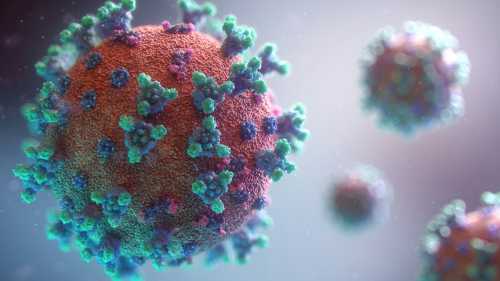
The Biological Triad: How Zoonotic Spillovers and Antimicrobial Resistance Are Rewiring Public Health Infrastructure
Oct 14, 2026
The Biometric Ledger: How OTC Metabolic Tracking and Dynamic Actuarial Pricing Are Restructuring Public Health Infrastructure
Oct 14, 2026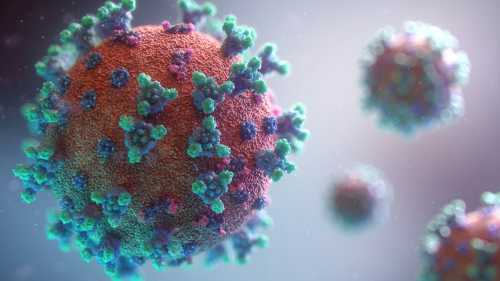
Comments (0)
No comments yet. Be the first to share your thoughts!
Want to join the discussion?
Please log in to post a comment.
Login NoworCreate an Account