
The Algorithmic Arena: Streaming, Celebrity Capital, and the Rewiring of Global Sports Entertainment


The Algorithmic Arena: Streaming, Celebrity Capital, and the Rewiring of Global Sports Entertainment
Just as the printing press did not merely accelerate manuscript copying but fundamentally rewired the distribution of societal power, the current convergence of streaming algorithms, celebrity capital, and cinematic sports production is not an incremental upgrade to broadcasting. It is a complete structural rewiring of the global sports entertainment economy, shifting the locus of control from legacy networks to tech-native platforms and decentralized brand architects.
The Convergence Catalyst
Over the past quarter, the sports entertainment landscape has undergone a definitive structural shift, marked by streaming giants like Netflix securing landmark live media rights for the NFL and MLB, alongside a record surge in celebrity franchise acquisitions and sports technology mergers and acquisitions. This trifecta of algorithmic distribution, star-powered equity, and cinematic production represents a permanent departure from traditional, linear broadcast models, establishing a new paradigm where content, capital, and technology are inextricably linked.
The Structural Blind Spots
Mainstream financial coverage frequently fixates on the headline dollar figures of media rights deals, willfully ignoring that these contracts are now won on data and distribution leverage rather than sheer capital expenditure. According to primary industry analysis, global sports media rights valuation is projected to reach $66.42 billion by 2026 [[1]], but the true asset being traded is first-party viewer telemetry. Streaming platforms are not merely buying broadcast windows; they are acquiring granular behavioral data to optimize ad-load tolerance and subscription retention, effectively turning live sports into the ultimate customer acquisition engine for broader digital ecosystems.
Furthermore, the influx of Hollywood and music industry figures into sports ownership is routinely dismissed by traditionalists as vanity branding or superficial marketing. However, empirical market data contradicts this cynical view. Research indicates that football clubs with celebrity stakeholders experience a 30% higher growth rate in global social media following compared to their traditionally owned counterparts [[50]]. These celebrities are not passive figureheads; they function as decentralized, high-yield marketing nodes that bypass traditional media gatekeepers, directly monetizing global fandom through merchandise, digital engagement, and cross-platform content syndication.
Simultaneously, the Hollywoodization of sports broadcasting is creating a stark, two-tiered viewing experience. As sports broadcasts adopt cinematic virtual production techniques and AI-driven editing workflows, traditional regional sports networks are being rapidly relegated to legacy status. Streaming platforms are deploying Hollywood-grade visual fidelity that commands premium subscription tiers, leaving legacy broadcasters struggling to maintain production quality while burdened by declining linear viewership and restrictive, long-term talent contracts.
The Margin Compression Paradox
While the prevailing narrative suggests an unstoppable golden age of sports media, this perspective dangerously overlooks the severe margin compression facing streaming platforms. Acquiring live sports rights is notoriously capital-intensive, with streaming platforms globally spending an estimated $10 billion on sports rights in 2024 alone [[59]]. As platforms absorb these massive upfront costs, the inevitable pass-through to consumers via subscription hikes risks triggering churn rates that could destabilize the very ecosystem these platforms are attempting to build, proving that sports rights often function as a loss leader rather than a guaranteed profit center.
The 1980s Cable Blueprint
This current disruption directly mirrors the 1980s cable television revolution, specifically the launch and subsequent consolidation of dedicated sports broadcasting. Just as cable unbundled sports from traditional network television to create a dedicated, monetizable niche, today’s streaming platforms are re-unbundling cable to establish direct-to-consumer sports verticals. The historical lesson is unambiguous: early movers who secure exclusive, must-see live content dictate the pricing power of the subsequent decade. However, entities that overleverage on rights fees without building complementary, targeted ad-tech infrastructure inevitably face existential consolidation, as seen in the collapse of numerous early sports-centric cable ventures.
The Governance Friction Factor
Additionally, the assumption that celebrity ownership uniformly benefits franchises ignores the profound governance friction it introduces. Traditional sports leagues operate on strict, consensus-driven ownership models explicitly designed to protect competitive balance and local identity. The injection of entertainment-focused capital often prioritizes global brand expansion and cosmetic modernization over local community engagement. This creates palpable friction with legacy fan bases, who increasingly view the aggressive commodification of their clubs by outside entertainment figures as a breach of cultural sovereignty and a threat to the authentic matchday experience.
Strategic Imperatives for Stakeholders
For local sports-adjacent businesses, the immediate imperative is to pivot from traditional, broad-reach broadcast advertising to integrated, data-driven partnerships with streaming platforms and celebrity-owned entities. Citizens and local investors should diversify their engagement by supporting community-owned sports initiatives or allocating capital to sports technology exchange-traded funds that capitalize on the underlying infrastructure of this merger and acquisition boom, rather than chasing the volatile valuations of individual franchise minority stakes.
The Six-Month Horizon
Within the next six months, the market will experience a wave of secondary corrections as streaming platforms rigorously audit their sports portfolios for actual profitability, not just subscriber acquisition. We will likely witness the first major divestitures of underperforming sports technology acquisitions, coupled with the aggressive rollout of hybrid, ad-supported subscription tiers specifically engineered for live sports consumption. The market will rapidly separate speculative hype from structural winners, solidifying a durable duopoly between legacy sports leagues and tech-native distributors who have successfully mastered the intersection of data, capital, and cinematic presentation.
Related Articles

The $76 Billion Fracture: How the New Sports-Entertainment Media Paradigm Rewrites the Rules of Engagement
Oct 24, 2026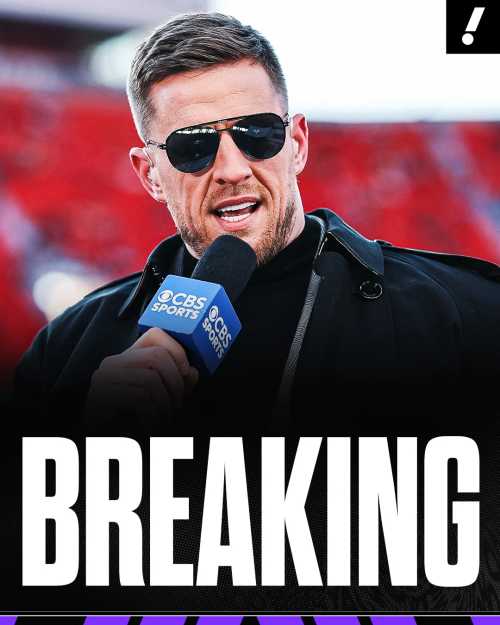
Sports Media Earthquake: JJ Watt's CBS Deal and NBA's Record Ratings Signal Industry Transformation
Oct 23, 2026
Comments (0)
No comments yet. Be the first to share your thoughts!
Want to join the discussion?
Please log in to post a comment.
Login NoworCreate an Account